Denique Antiochensis ordinis vertices sub uno elogio
1. Understanding pH Sensors: The Foundation of Water Quality Management
pH measurement stands as one of the most critical parameters in water quality monitoring, accounting for over 25% of all quality monitoring tasks in process industries. A pH sensor serves as the eyes and ears of water quality systems, continuously monitoring the delicate balance between acidity and alkalinity that determines water safety, chemical reactions, and biological processes. Whether ensuring safe drinking water, optimizing industrial processes, or maintaining healthy aquatic ecosystems, accurate pH measurement forms the cornerstone of effective water management.
The pH scale, ranging from 0 to 14, measures the concentration of hydrogen ions in a solution. Values below 7 indicate acidity, values above 7 show alkalinity, and 7 represents neutral. This seemingly simple measurement carries profound implications across industries—from pharmaceutical manufacturing where minor pH deviations can compromise product quality, to wastewater treatment where proper pH control prevents environmental violations and protects aquatic life.
Modern pH sensors have evolved from simple laboratory instruments to sophisticated monitoring systems capable of continuous, real-time operation in the harshest environments. Today's pH measurement technology combines precision electrochemical sensors with advanced digital processing, IoT connectivity, and predictive maintenance capabilities. These innovations have transformed pH monitoring from a periodic manual check to an integrated component of automated process control systems.
The global pH sensor market, valued at USD 1.5 billion in 2024, is projected to reach USD 2.8 billion by 2033, growing at a 7.5% CAGR. This growth reflects increasing regulatory requirements, expanding industrial automation, and rising awareness of water quality's critical role in public health and environmental protection. Industries ranging from municipal water treatment to food and beverage production, from agriculture to chemical manufacturing, rely on accurate pH measurement to ensure product quality, process efficiency, and regulatory compliance.
2. pH Sensor Technology: Types, Principles, and Selection
The Electrochemical Foundation
pH sensors operate on electrochemical principles discovered over a century ago. The fundamental breakthrough came in 1909 when Nobel Prize winner Fritz Haber invented the glass electrode, followed by Arnold Beckman's development of the modern electric pH meter in 1934. These innovations established the foundation for contemporary pH measurement technology.
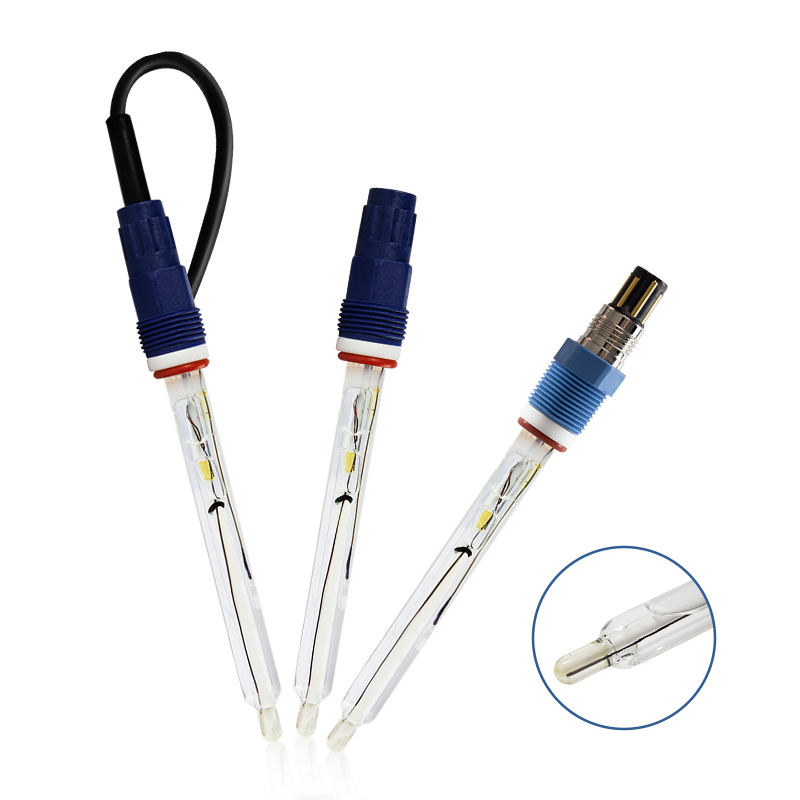
A pH probe contains two essential electrodes that work in concert to measure hydrogen ion activity. The measuring electrode, typically featuring a pH-sensitive glass membrane, detects changes in hydrogen ion concentration. The reference electrode provides a stable voltage reference against which the measuring electrode's signal is compared. The exchange of ions between the solution and the electrode surface generates a voltage proportional to the pH value, which the pH meter converts into a readable measurement.
Glass Electrode pH Sensors
Glass electrode sensors remain the industry standard for most applications, offering excellent accuracy and reliability across a wide pH range. The pH-sensitive glass membrane, usually made of special lithium glass, develops a hydrated gel layer that responds to hydrogen ions in the solution. This gel layer must remain properly hydrated for optimal performance—drying can cause sluggish response and measurement errors.
Modern glass electrodes come in various configurations designed for specific applications. Laboratory-grade sensors feature extruded epoxy bodies resistant to strong acids and bases, while industrial sensors use chemically inert materials virtually indestructible in harsh environments. The glass formulation can be customized for different pH ranges and chemical environments, with specialized glasses available for applications involving hydrofluoric acid, high temperatures, or highly alkaline conditions.
The reference electrode in glass combination sensors typically uses a silver/silver chloride element immersed in potassium chloride electrolyte. The junction between the reference electrode and the solution can be designed as ceramic, glass fiber, or open junction types, each offering different trade-offs between response speed and resistance to contamination. Refillable reference electrodes require more maintenance but offer longer lifespans and higher accuracy, while sealed electrodes provide convenience at the cost of shorter operational life.
ISFET (Ion-Sensitive Field-Effect Transistor) pH Sensors
ISFET technology represents a significant advance in pH sensor design, particularly for challenging applications. Instead of a glass membrane, ISFET sensors use a silicon chip with an ion-sensitive gate. This solid-state design offers several advantages: exceptional mechanical strength, immunity to glass breakage, fast response time, and resistance to pressure and mechanical shock.
ISFET sensors excel in applications where glass electrodes struggle—high-pressure systems, environments with high organic solvent content, and situations requiring extreme durability. The absence of an internal electrolyte eliminates concerns about electrolyte depletion or reference poisoning, common issues with traditional glass electrodes. Recent innovations have paired ISFET measuring electrode technology with rugged reference systems to provide durable pH measurement solutions capable of lasting from weeks to months in demanding industrial environments.
However, ISFET sensors typically carry higher initial costs and may show increased drift over time compared to well-maintained glass electrodes. They also require more frequent calibration in some applications. The choice between ISFET and glass electrode technology depends on specific application requirements, maintenance capabilities, and total cost of ownership considerations.
Combination and Differential pH Sensors
Modern pH measurement predominantly employs combination sensors that integrate measuring and reference electrodes in a single housing. This design simplifies installation, reduces costs, and ensures consistent geometry between electrodes for improved accuracy. Many combination sensors also incorporate built-in temperature sensors for automatic temperature compensation, essential since pH readings vary with temperature.
Three-electrode differential sensors add a third electrode—a metal ground electrode—to the standard combination design. This additional electrode helps prevent reference fouling in applications with coating or contamination issues, such as wet scrubbers or wastewater with high organic content. The ground electrode provides an alternative current path, protecting the reference electrode from poisoning and extending sensor life in challenging environments.
Specialized pH Sensors for Specific Applications
Different industries and applications demand specialized pH sensor designs:
Desulfurization pH Sensors: Engineered for wet flue gas desulfurization processes in power plants, these sensors withstand highly abrasive limestone slurries and corrosive conditions. They feature reinforced glass membranes, PTFE bodies, and specially designed junctions to resist blockage.
Antimony pH Sensors: Used in solutions containing hydrofluoric acid where glass electrodes fail, antimony electrodes offer chemical resistance at the cost of reduced accuracy and slower response times compared to glass.
Flat Surface pH Sensors: Featuring gel-filled designs requiring no maintenance, these sensors work well for measurements on surfaces or in viscous samples where conventional probes cannot make proper contact.
High-Temperature pH Sensors: Specialized designs with pressure-compensated reference systems and high-temperature glass formulations enable accurate pH measurement at temperatures exceeding 100°C, essential for sterilization processes and industrial applications.
3. Key Applications Across Industries
Wastewater Treatment
pH control forms the backbone of effective wastewater treatment. Municipal and industrial treatment plants use pH sensors at multiple points throughout the treatment process—influent monitoring, biological treatment optimization, chemical precipitation, and effluent compliance verification. Proper pH management in biological treatment typically maintains values between 6.5 and 8.5 to support microbial activity while preventing toxicity.
Industrial wastewater treatment presents particularly challenging pH monitoring requirements. Chemical manufacturing, metal plating, textile processing, and food production generate effluents with extreme pH values requiring neutralization before discharge. Automated pH control systems using multiple sensor inputs and chemical dosing pumps ensure continuous compliance with discharge permits while optimizing chemical usage.
Aquaculture and Fisheries
pH monitoring is critical for aquaculture success, directly affecting fish health, growth rates, and survival. Most aquatic species thrive within narrow pH ranges—typically 6.5 to 9.0 for freshwater species and 7.5 to 8.5 for marine species. pH fluctuations stress fish, reduce disease resistance, and can cause mortality events.
Aquaculture operations deploy pH sensors continuously or periodically throughout production systems. In intensive recirculating aquaculture systems (RAS), pH monitoring guides water treatment processes including biofilter management and alkalinity supplementation. Outdoor pond systems monitor pH daily, as photosynthesis and respiration cause natural diurnal pH cycles that can become problematic without proper management.
Industrial Process Control
Beyond water and wastewater treatment, pH sensors play a critical role in a wide range of industrial process control applications.
In chemical manufacturing, precise pH regulation determines reaction rates, yield efficiency, and product purity. Slight deviations can alter molecular structures, compromise safety, or lead to costly batch failures. Therefore, continuous pH monitoring becomes an essential safeguard to maintain optimal reaction conditions and prevent corrosion of pipelines and reactors.
In the food and beverage industry, pH control is inseparable from product quality and safety. From fermentation in breweries and dairies to the acidification of sauces and beverages, maintaining consistent pH ensures stable flavor profiles, microbial safety, and compliance with health standards. Moreover, in CIP (clean-in-place) systems, pH sensors verify the effectiveness of cleaning and neutralization, preventing chemical residues and cross-contamination.
The Pharmaceutical industry demands even tighter tolerances. Here, pH directly influences the chemical stability and bioavailability of drugs. Automated pH monitoring systems help maintain stringent Good Manufacturing Practice (GMP) standards and ensure every batch meets global regulatory requirements.
Industrial pH applications are often exposed to extreme environments — high temperature, high pressure, abrasive slurries, and chemically aggressive media. These challenges call for robust sensor housings, high-temperature-resistant electrodes, and anti-fouling coatings. Modern online pH systems, integrated with digital diagnostics and automated alerts, provide predictive maintenance insights — preventing downtime, reducing maintenance costs, and ensuring uninterrupted process integrity.
4. Real-World Case Study
A: Transforming Textile Wastewater Treatment Through Advanced pH Control
Background and Challenge
A medium-sized textile finishing facility in southern Vietnam faced mounting environmental compliance challenges that threatened both operations and profitability. The 450-employee plant, processing 15,000 kg of fabric daily through dyeing, printing, and finishing operations, generated approximately 2,400 cubic meters of wastewater daily with highly variable pH ranging from 2.5 to 12.5 depending on production schedules.
The existing wastewater treatment system relied on manual pH monitoring with grab samples taken every 4 hours. Operators adjusted chemical dosing (sulfuric acid and sodium hydroxide) based on these periodic measurements. This reactive approach created several critical problems:
Regulatory Violations: During a 12-month period, the facility recorded 23 discharge violations when effluent pH exceeded the permitted range of 6.5-8.5. Each violation carried potential fines of $5,000-$15,000, with cumulative penalties threatening facility closure. Environmental authorities placed the facility on heightened monitoring status, requiring expensive third-party testing and increasing regulatory pressure.
Chemical Cost Inefficiency: Annual neutralization chemical costs exceeded $180,000, with significant waste from overcorrection. When grab samples showed high pH, operators often added excess acid to ensure compliance, only to require alkaline correction later. This ping-ponging effect consumed chemicals and created additional treatment challenges.
Process Instability: pH swings in the biological treatment stage caused frequent upset conditions, reducing treatment efficiency and occasionally requiring system shutdown for recovery. Microbial populations suffered from pH shock, leading to incomplete COD and BOD removal.
Labor Intensity: Round-the-clock manual monitoring required dedicated operators, increasing labor costs and creating opportunities for human error during shift changes or high-workload periods.
The plant's environmental manager, facing pressure from both regulatory authorities and corporate management, initiated a comprehensive evaluation of pH control options. The goal: eliminate violations, reduce chemical costs, and improve treatment stability through automated continuous monitoring.
Technical Solution and Implementation
After evaluating proposals from three major instrumentation suppliers, the facility selected a multi-point pH monitoring system featuring industrial-grade combination sensors with automatic temperature compensation. The implementation occurred in three phases over a 16-week period:
Phase 1: System Design and Sensor Selection (Weeks 1-4)
The engineering team designed a comprehensive pH monitoring network with seven strategic measurement points:
Two influent monitoring points (one for each primary production line)
Neutralization tank inlet and outlet
Equalization basin
Biological treatment aeration tank
Final clarifier effluent
Sensor selection considered the harsh conditions at each point. For the neutralization tanks handling pH extremes, the team specified PTFE-bodied sensors with specialized glass formulations resistant to acids and bases. For the biological treatment areas, standard industrial combination sensors with gel-filled reference electrodes provided adequate performance with minimal maintenance.
Each pH sensor included integrated temperature compensation using RTD (resistance temperature detector) sensors, ensuring accurate readings across the facility's 22-35°C operating temperature range. The sensors connected to industrial pH transmitters providing 4-20mA output signals with HART digital communication for remote diagnostics.
Phase 2: Installation and Integration (Weeks 5-10)
Installation teams integrated the pH monitoring system with the facility's existing SCADA (Supervisory Control and Data Acquisition) system. Each measurement point received dedicated PLC (Programmable Logic Controller) inputs, enabling automated control of chemical dosing pumps.
The neutralization system received the most sophisticated control algorithm. Dual pH sensors in the neutralization tank provided redundant measurements, with the control system using the average value to calculate dosing requirements. Separate acid and alkaline dosing pumps received proportional control signals based on pH deviation from the 7.0 setpoint, with variable speed drives enabling precise chemical addition.
Critical installation considerations included:
Proper sensor immersion depth (minimum 10 cm below lowest water level)
Flow cell installation for the final effluent monitoring point
Electrical isolation and lightning protection for outdoor sensors
Automated cleaning systems for neutralization tank sensors exposed to scaling
Phase 3: Calibration, Testing, and Optimization (Weeks 11-16)
Comprehensive system commissioning began with individual sensor calibration using certified pH buffer solutions (pH 4.01, 7.00, and 10.01). The two-point calibration procedure established each sensor's slope and offset values, with acceptance criteria of 95-105% theoretical slope and ±0.3 pH offset.
Following individual sensor calibration, the team conducted full-system testing under various production scenarios. They intentionally created pH excursions by simulating different dyeing processes and chemical discharges, verifying that the automated control system could maintain neutralization tank pH within ±0.3 pH units of setpoint.
The optimization phase fine-tuned control parameters including:
PID (Proportional-Integral-Derivative) controller settings for chemical dosing
Alarm setpoints and escalation procedures
Data logging and reporting configurations
Maintenance reminder schedules
Operators received comprehensive training on system operation, calibration procedures, troubleshooting protocols, and maintenance requirements. The training included hands-on practice sessions and written procedures integrated into the facility's environmental management system.
Results and Benefits
The automated pH monitoring system transformed the facility's environmental performance and operational efficiency. Quantifiable results measured over the 12 months following implementation included:
Regulatory Compliance: Zero discharge violations occurred during the first year of operation, compared to 23 violations in the prior year. The consistent compliance enabled removal of the heightened monitoring status, eliminating $24,000 in annual third-party testing costs. Environmental authorities cited the facility as an industry model, improving regulatory relationships and community perception.
Chemical Cost Reduction: Annual neutralization chemical consumption decreased 32%, reducing costs from $180,000 to $122,400—an annual savings of $57,600. The automated system's precise dosing eliminated overcorrection and chemical waste. Additionally, the optimized pH control in biological treatment improved microbial efficiency, reducing supplemental nutrient requirements by 18%.
Treatment Performance: Biological treatment stability improved dramatically with consistent pH maintenance. Average COD removal efficiency increased from 87% to 94%, while BOD removal improved from 91% to 97%. The more stable microbial populations also demonstrated increased resilience during temporary upsets, reducing recovery time from 48-72 hours to 12-24 hours.
Operational Efficiency: Automated monitoring eliminated the need for one dedicated operator position through natural attrition, reducing annual labor costs by $32,000. The remaining operators could focus on preventive maintenance and system optimization rather than routine manual testing. Alarm notifications to smartphones enabled faster response to unusual conditions, preventing minor issues from becoming major problems.
Return on Investment: The total project cost of $285,000 (equipment, installation, commissioning, and training) generated annual savings of approximately $113,600 (chemical costs, labor, violation avoidance, and testing elimination). The simple payback period of 2.5 years met corporate investment criteria, with ongoing annual savings continuing indefinitely.
Lessons Learned and Recommendations
The successful implementation provided valuable insights applicable to similar facilities:
Sensor Location is Critical: Initial placement of one neutralization tank sensor near the chemical injection point caused erratic readings due to incomplete mixing. Relocating the sensor to a well-mixed zone downstream solved the problem. Lesson: Allow adequate residence time for chemical distribution before pH measurement.
Maintenance Programs Matter: Establishing a rigorous preventive maintenance program prevented 90% of potential issues. Bi-weekly electrode cleaning, monthly calibration verification, and quarterly full calibration maintained system accuracy. Facilities should budget approximately 4 hours per month for maintenance activities.
Redundancy Adds Value: The dual sensor configuration in the neutralization tank proved worthwhile when one sensor failed due to lightning damage. The backup sensor maintained automated control during the 3-day repair period, preventing production disruption.
Staff Training is Essential: Operators initially lacked confidence in the automated system, leading to unnecessary manual interventions that compromised performance. Comprehensive training and a gradual transition from manual to automated operation built trust and competence.
Integration Multiplies Benefits: Connecting pH monitoring to the SCADA system enabled sophisticated data analysis revealing previously unknown patterns. Production schedule adjustments based on this analysis further optimized treatment performance and chemical usage.
The facility continues to operate the pH monitoring system successfully, with ongoing refinements including addition of ORP (oxidation-reduction potential) monitoring for enhanced biological treatment control and exploration of predictive maintenance algorithms using historical sensor data.
Real-World Case Study
B: Revolutionizing Aquaculture Production Through Continuous pH Monitoring
Background and Challenge
A large-scale shrimp farming operation in Ecuador's coastal region faced persistent production challenges threatening its competitive position in the international market. The 450-hectare facility, operating 72 intensive culture ponds with a combined annual production target of 1,200 metric tons of Pacific white shrimp (Litopenaeus vannamei), experienced chronic pH-related problems impacting survival rates and profitability.
Traditional pond management relied on daily manual pH measurements using portable pH meters. Technicians tested each pond once daily, typically in early morning, recording values and making management decisions based on these single-point measurements. This approach failed to capture the dynamic pH changes occurring throughout the daily cycle.
The operational challenges manifested in several critical ways:
Unexplained Mortality Events: The facility experienced 15 significant mortality events over an 18-month period, with losses ranging from 8-25% of pond biomass. Post-mortem analysis indicated stress-related disease outbreaks, but the specific trigger remained unclear. These events cost an estimated $420,000 in lost production and required expensive restocking.
Inconsistent Growth Performance: Average daily growth rates varied widely between ponds under apparently similar management, ranging from 0.8 to 1.4 grams per week. Some ponds consistently underperformed despite similar stocking densities, feed quality, and water exchange rates. This inconsistency prevented accurate production forecasting and complicated marketing commitments.
Early Morning Hypoxia: Staff occasionally discovered shrimp surfacing and showing distress during pre-dawn hours, indicating low oxygen conditions. However, daytime dissolved oxygen measurements appeared adequate. The disconnect between observed stress and measured conditions puzzled management.
Feed Conversion Inefficiency: Average feed conversion ratios (FCR—kg feed per kg shrimp produced) ran 1.65:1, higher than the industry benchmark of 1.4:1 for well-managed intensive systems. This increased feed costs by approximately 18%, significantly impacting profitability in the competitive shrimp market.
A comprehensive review by an aquaculture consultant revealed the missing piece: pH dynamics. While daily spot measurements showed acceptable pH values (typically 7.5-8.2), continuous monitoring installed as a trial in three ponds revealed dramatic diurnal pH fluctuations. pH values swung from 6.8-7.2 at dawn to 8.5-9.2 in mid-afternoon, driven by the photosynthesis-respiration cycle of phytoplankton blooms.
These pH swings had cascading effects. Morning low pH coincided with high CO₂ from overnight respiration, exacerbating respiratory stress when dissolved oxygen also reached daily minimums. Afternoon high pH increased un-ionized ammonia levels, creating toxicity risk even when total ammonia remained within normal ranges. The pH rollercoaster stressed shrimp continuously, compromising immunity and growth performance.
Technical Solution and Implementation
The consultant recommended a comprehensive pH monitoring system enabling real-time tracking of pond conditions and automated aeration control. Implementation proceeded through carefully planned phases over a 24-week period:
Phase 1: Pilot System Design (Weeks 1-6)
Rather than immediately installing monitoring across all 72 ponds, management approved a pilot program for 12 representative ponds covering different production stages (nursery, grow-out, and pre-harvest). This phased approach allowed system refinement before full-scale deployment.
The engineering team selected waterproof industrial pH sensors specifically designed for aquaculture applications, featuring:
Rugged polymer bodies resistant to saltwater corrosion
Gel-filled reference electrodes requiring no maintenance
Integrated temperature compensation
Submersible cables rated IP68 for continuous underwater operation
Anti-fouling coatings minimizing biological growth
Each pond received one pH sensor installed in a protective PVC housing, positioned at the water surface to capture the well-mixed water column conditions experienced by shrimp. The sensors connected to solar-powered data loggers recording pH and temperature at 15-minute intervals. Cellular modems transmitted data to cloud-based monitoring software accessible via smartphone app and web interface.
Phase 2: Pilot Installation and Baseline Data Collection (Weeks 7-14)
Installation crews mounted sensor housings on floating platforms anchored in each pond, with cables routed to shore-based solar panels and data loggers. Initial sensor calibration followed manufacturer protocols using pH 7.00 and 10.01 buffers, appropriate for the expected saltwater pH range.
The team collected four weeks of baseline data without changing management practices, documenting actual pH patterns and correlating them with existing production records. The data confirmed dramatic diurnal pH variations, typically following this pattern:
5:00-7:00 AM: Minimum pH (6.9-7.3)
12:00-3:00 PM: Maximum pH (8.3-9.1)
Daily pH range: 1.2-1.8 units
Most extreme swings in ponds with dense phytoplankton blooms
Analysis revealed strong correlations between pH variability and production outcomes. Ponds with pH ranges exceeding 1.5 units showed 23% lower survival rates and 19% slower growth compared to ponds with more stable pH (ranges under 1.2 units).
Phase 3: Automated Control System Implementation (Weeks 15-20)
Building on baseline insights, the team implemented automated pH management using aeration control. Each pilot pond received automated paddle wheel aerators controlled by algorithms based on pH and dissolved oxygen measurements:
During early morning low-pH periods (pH < 7.5), aerators operated at maximum speed to:
Strip excess CO₂ from the water column
Increase oxygen levels
Raise pH through CO₂ removal
During afternoon high-pH periods (pH > 8.5), aerators reduced to minimum necessary for adequate dissolved oxygen, preventing further pH elevation through excessive CO₂ stripping.
The control algorithm incorporated learning features, adjusting responses based on observed effectiveness in each specific pond. For example, ponds with higher algal densities required more aggressive morning aeration to control pH lows, while ponds with moderate algal populations needed subtler adjustments.
Automated feeding systems integrated with pH monitoring, delaying morning feeds if pH dropped below 7.2 (when ammonia toxicity risk increased) and adjusting afternoon feeding rates based on pH trends. This prevented feed waste when shrimp appetite declined under stress conditions.
Phase 4: Full-Scale Expansion (Weeks 21-24)
Pilot results convinced management to proceed with farm-wide implementation. The remaining 60 ponds received identical monitoring and control systems in a rapid four-week deployment. Bulk equipment purchases reduced per-pond costs by 22% compared to pilot pricing.
Training programs prepared staff for the transition to technology-based management. Pond technicians learned to interpret pH trend graphs, respond to automated alerts, and perform routine sensor maintenance (cleaning, calibration verification). Management personnel gained skills in data analysis and using production metrics to guide strategy.
Results and Benefits
The continuous pH monitoring system transformed production outcomes across multiple dimensions, with benefits measured over two complete production cycles (48 weeks) post-implementation:
Survival Rate Improvement: Average pond survival rates increased from 68% to 87%, a 28% relative improvement. Zero major mortality events occurred during the monitoring period, compared to an average of 10 events annually pre-implementation. This stability eliminated costly emergency harvests and restocking, saving an estimated $380,000 annually.
Growth Enhancement: Average weekly growth rates improved from 1.05 g to 1.31 g per week, a 25% increase enabling harvest three weeks earlier than previous cycles. The faster growth improved market positioning, as larger shrimp commanded premium prices during key export seasons.
Feed Conversion Optimization: FCR improved from 1.65:1 to 1.42:1, reducing feed costs by approximately $285,000 annually on the farm's $1.95 million annual feed budget. The improvement came from better feed timing (avoiding low-pH stress periods), reduced stress-related appetite suppression, and elimination of uneaten feed waste.
Water Quality Stability: Automated aeration control reduced pH daily ranges from an average 1.6 units to 0.9 units. This stability provided more consistent conditions promoting shrimp health and reducing metabolic stress. Morning minimum pH values improved from 6.9 to 7.4, while afternoon maximums decreased from 8.9 to 8.3.
Production Increase: Combined effects of higher survival and faster growth increased total production from 980 MT to 1,285 MT annually, a 31% improvement without expanding pond area or significantly increasing stocking density. This additional production generated approximately $2.1 million in additional revenue at average market prices.
Return on Investment: Total implementation costs of $520,000 ($7,200 per pond including sensors, controls, installation, and training) delivered first-year benefits of approximately $2.7 million (survival improvement, growth enhancement, and feed savings). The exceptional ROI of 5.2:1 in year one made this one of the most successful investments in the farm's history.
Operational Insights: Beyond financial returns, the monitoring system provided unprecedented operational visibility. Patterns emerged linking weather conditions, water exchange rates, and feeding strategies to pH dynamics. These insights enabled proactive management adjustments preventing problems before they impacted shrimp health.
For example, analysis revealed that ponds receiving afternoon water exchange showed more stable pH than morning-exchange ponds, as afternoon replacement of high-pH water with fresh seawater moderated daily maximums. Simply adjusting water exchange timing farm-wide provided additional pH stability without equipment changes.
l Lessons Learned and Recommendations
The successful implementation generated valuable knowledge applicable to aquaculture operations globally:
Start with a Pilot: The phased approach allowed system refinement before major investment and built staff confidence through demonstrated results. Attempting immediate farm-wide implementation would have risked technical problems, staff resistance, and unproven ROI.
Sensor Maintenance is Different from Lab Equipment: Initial biofouling problems in several ponds required establishing a regular cleaning protocol. Weekly cleaning with soft brushes and monthly calibration checks maintained measurement accuracy in the biological-rich aquaculture environment.
Integration Requires Planning: Connecting pH monitoring to existing aeration and feeding systems posed unexpected challenges with equipment compatibility and communication protocols. Budget adequate time and expertise for systems integration—this accounted for 30% of implementation time.
Data Management Matters: The monitoring system generated approximately 4,000 data points per pond daily, requiring robust data management infrastructure. Cloud storage, automated reporting, and exception-based alerting prevented information overload while ensuring critical issues received immediate attention.
Staff Acceptance Takes Time: Some technicians initially resisted technology-based management, preferring traditional visual observation methods. Building trust required demonstrating measurement accuracy, explaining how automation supported rather than replaced their expertise, and celebrating early successes.
Continuous Improvement is Possible: The learning didn't stop after initial implementation. Ongoing analysis of historical data continues revealing optimization opportunities. Recent additions include correlation of pH patterns with moon phase (affecting shrimp molting cycles) and integration with weather forecasts for proactive management adjustments.
The farm continues expanding its monitoring capabilities, recently adding dissolved oxygen sensors at key locations and exploring integration of water quality data with market price trends for optimized harvest timing. The pH monitoring success established a culture of data-driven decision-making transforming the operation's competitive position.
5.Best Practices for pH Sensor Maintenance and Calibration
Maintaining pH sensor accuracy requires consistent attention to calibration, cleaning, and proper handling procedures. These best practices maximize sensor performance and lifespan:
A.Calibration Procedures
Regular calibration compensates for electrode aging and process effects, ensuring measurement accuracy. Always perform two-point calibration using buffers that bracket your expected pH range—typically pH 4.01 and 7.00 for acidic processes, or pH 7.00 and 10.01 for alkaline applications. Start calibration with the pH 7.00 buffer to establish the zero point, then proceed to the second buffer for slope determination.
Use fresh, high-quality certified buffer solutions stored properly to maintain their specified pH values. Buffer solutions have limited shelf life once opened—typically 6 months for pH 4 and 10 buffers, 12 months for pH 7. Contaminated or expired buffers cause calibration errors propagating through all subsequent measurements.
Calibration frequency depends on application criticality and operating conditions. Daily calibration is ideal for critical measurements; weekly suffices for stable conditions; monthly may be adequate for non-critical monitoring. Always calibrate after electrode maintenance, storage solution changes, or whenever readings appear questionable.
Monitor calibration parameters during the procedure. Slope values should fall within 95-105% of theoretical (59.16 mV/pH unit at 25°C), and offset within ±30 mV. Values outside these ranges indicate electrode problems requiring cleaning or replacement.
B.Electrode Cleaning
Regular cleaning prevents fouling that causes slow response, drift, and eventual sensor failure. Cleaning requirements vary by application—daily cleaning may be necessary in heavy fouling environments, while monthly cleaning suffices in clean water applications.
For general protein or organic fouling, soak the electrode in pepsin solution (0.1% pepsin in 0.1 M HCl) for 15-30 minutes. Oil or grease deposits respond to mild detergent solutions or isopropanol. Inorganic scale requires acidic cleaners—5% HCl for calcium carbonate, or specialized commercial cleaning solutions for more resistant deposits.
After cleaning, rinse thoroughly with distilled or deionized water, then soak in storage solution for at least 2-3 hours (preferably overnight) before calibration. This rehydrates the glass membrane and reference junction, ensuring optimal performance.
Never use ultrasonic cleaners on pH electrodes—the vibrations can damage the glass membrane or reference system. Avoid abrasive materials that scratch the glass, creating nucleation sites for further fouling.
C.Storage and Handling
Proper storage between measurements preserves electrode functionality. Always store pH electrodes in proper storage solution (typically 3M KCl with pH buffer), never in distilled water, which leaches electrolyte from the reference electrode. The storage solution maintains the hydrated gel layer on the glass membrane and prevents reference junction clogging.
Keep storage solution levels above the reference junction at all times. For refillable electrodes, check electrolyte levels weekly and refill as needed. Low electrolyte causes measurement drift and eventual electrode failure.
Protect electrodes from physical shock—dropping or striking hard surfaces can crack the glass membrane or damage internal components. Use protective caps during storage and transport. Handle cables carefully to prevent wire breaks at connection points.
D.Troubleshooting Common Problems
Slow Response: Usually indicates dried gel layer, fouling, or low reference electrolyte. Clean the electrode, check electrolyte level, and rehydrate in storage solution overnight.
Erratic Readings: Often caused by reference junction clogging, broken glass membrane, or electrical interference. Inspect for physical damage, clean thoroughly, and verify proper grounding.
Drift: Gradual reading changes over time indicate aging electrodes, temperature compensation issues, or insufficient calibration frequency. Increase calibration frequency and consider electrode replacement if drift persists.
Offset Problems: Large offset values during calibration suggest contaminated reference electrode, low electrolyte, or poisoned reference. Replace electrolyte in refillable electrodes or replace sealed electrodes showing persistent offset issues.
6.Future Trends: Smart pH Sensors and Digital Integration
The evolution of pH measurement technology continues accelerating, driven by advances in materials science, digital electronics, and connectivity:
IoT and Cloud Integration
Modern pH sensors increasingly feature integrated digital communication—Bluetooth, WiFi, or cellular connectivity enabling remote monitoring and cloud data storage. This connectivity transforms pH measurement from isolated data points to integrated process intelligence accessible anywhere, anytime.
Cloud platforms aggregate data from multiple sensors, applying analytics to identify patterns invisible in single-point measurements. Machine learning algorithms detect anomalies, predict maintenance needs, and optimize control strategies based on historical patterns and current conditions.
Digital Sensor Technology
Digital pH sensors with HART, PROFIBUS, or other industrial protocols provide more than just measurements—they communicate diagnostic information about sensor health, calibration status, and performance metrics. This "smart sensor" capability enables predictive maintenance, replacing reactive "fix when broken" approaches with proactive "service before failure" strategies.
ISFET technology continues advancing, with improvements in long-term stability and reference system design addressing historical limitations. Some manufacturers now offer ISFET sensors rivaling glass electrode performance while maintaining solid-state durability advantages.
Automated Calibration Systems
Emerging automated calibration systems eliminate manual calibration labor and improve consistency. These systems automatically withdraw the sensor from process, rinse with clean water, perform multi-point calibration using stored buffer solutions, clean if necessary, and return to service—all without operator intervention. While currently expensive, costs are decreasing as the technology matures.
Miniaturization and Flexibility
Microfluidic pH sensors enable measurements in tiny sample volumes, opening applications in microbioreactors, point-of-care medical devices, and environmental microsensors. Flexible printed pH sensors allow measurements on curved surfaces or in confined spaces impossible with traditional rigid probes.
7.Conclusion: The Indispensable Role of pH Sensors in Modern Water Management
pH sensors stand as critical enablers of water quality management across industries, from ensuring safe drinking water to optimizing industrial processes to protecting aquatic ecosystems. The technology has matured from simple laboratory instruments to sophisticated monitoring systems capable of continuous operation in the most challenging environments, delivering the accurate, reliable measurements essential for process control and regulatory compliance.
The case studies presented—textile wastewater treatment achieving zero violations and 32% chemical cost reduction, and aquaculture operation increasing survival 28% and production 31%—demonstrate pH monitoring's transformative potential. These successes share common elements: comprehensive system design, proper sensor selection for application requirements, automated control integration, staff training, and ongoing optimization.
As water quality challenges intensify globally—driven by population growth, industrial development, and environmental pressures—pH monitoring will become increasingly critical. Advanced technologies including IoT integration, predictive maintenance, and artificial intelligence promise to enhance pH measurement capabilities further, enabling more sophisticated water management strategies.
For water quality testing instrument manufacturers, the opportunity is clear: provide pH measurement solutions combining proven electrochemical fundamentals with modern digital capabilities, backed by application expertise and support services. For end users, the message is equally clear: invest in pH monitoring appropriate to your needs, maintain it properly, and leverage the data to drive continuous improvement.
The future of water management is data-driven, automated, and intelligent—and pH sensors provide the foundational measurements enabling that future.