
Agriculture & Hydroponics
Real-time pH, ORP, DO, Conductivity & Chlorine Control for Stable, Compliant, and Efficient Operations
Real-time pH, ORP, DO, Conductivity & Chlorine Control for Stable, Compliant, and Efficient Operations
Water is the core element in agriculture and hydroponics, and even minor fluctuations in pH, conductivity, and oxygen levels can cause major problems for crops. Without continuous monitoring, growers face risks such as nutrient imbalances, root stress, and crop inconsistencies.

Industrial wastewater treatment typically involves equalization, pH adjustment, coagulation, biological processing, clarification, and final discharge. Each stage requires continuous online monitoring to control dosing, stabilize process performance, and ensure regulatory compliance.
Category |
Details |
Benefits of Online Monitoring |
||||||||||||||||||
| Key Water Quality Parameters | pH: Controls nutrient availability | Continuous control and real-time adjustments to prevent nutrient lockout, ensure healthy roots, and manage pathogen risks. | ||||||||||||||||||
| EC: Indicates fertilizer concentration | ||||||||||||||||||||
| DO: Supports root respiration | ||||||||||||||||||||
| ORP: Indicates water hygiene and oxidation | ||||||||||||||||||||
| How Online Sensors Improve Operations | Real-time Monitoring: Continuous data collection for all critical parameters | Minimizes risks from fluctuating water quality, improves decision-making, and optimizes resource management. | ||||||||||||||||||
| Stability: Reliable performance in fertilizer-rich environments | ||||||||||||||||||||
| Integration: Automated control with existing systems (4-20mA, RS485, Modbus) | ||||||||||||||||||||
| Labor Reduction: Eliminates the need for manual testing | ||||||||||||||||||||
| Typical Application Scenarios | Hydroponic Systems: pH & EC control for nutrient stability | Ensures consistent and optimal water conditions, reducing operational costs while improving plant health and yield. | ||||||||||||||||||
| Greenhouses & Vertical Farms: Automated fertigation & water reuse | ||||||||||||||||||||
| Irrigation Systems: Ensures optimal water quality & nutrient delivery | ||||||||||||||||||||
| Aquaponics Systems: Balances water for plants & aquatic life | ||||||||||||||||||||


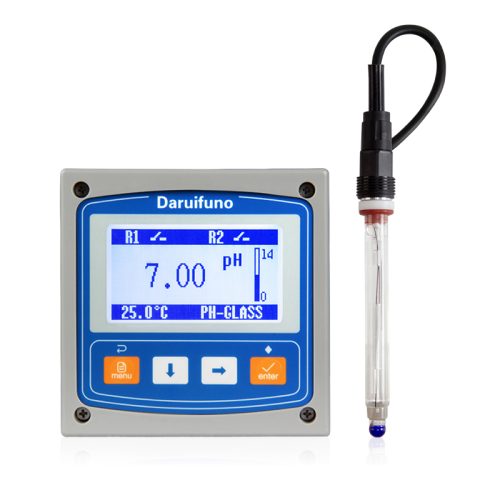
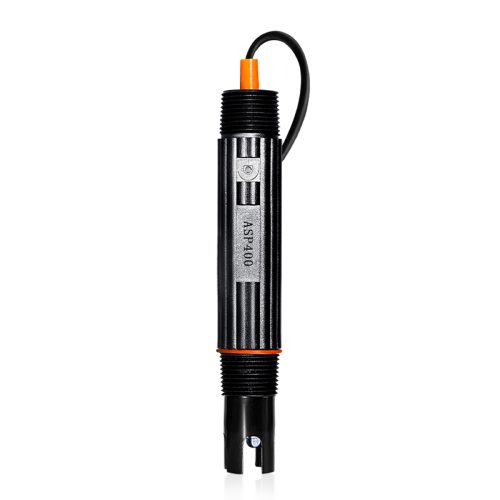
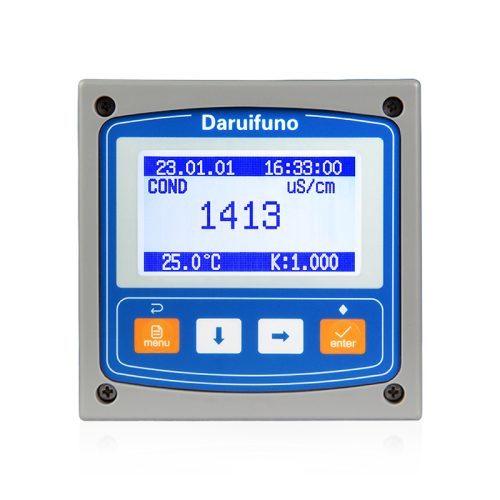
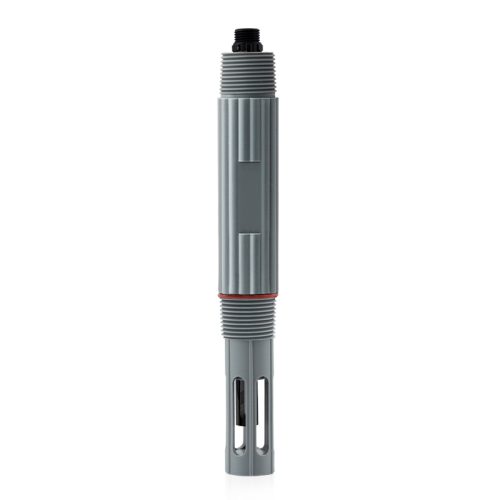
| Supported pH Range | 0-14 |
| Accuracy | ±0.02 pH/±1 mV ORP |
| Temperature Range | 0-80°C |
| Output Options | 4-20mA / RS485 MODBUS / Relay |
| Installation Methods | Subnersible / Flow Cell / Pipeline |
| Turbidity Range | 0-4000 NTU |
| Dissolved Oxygen | 0-20mg/L(optical) |


Please contact us immediately to speak with our experts and receive a discounted quote.
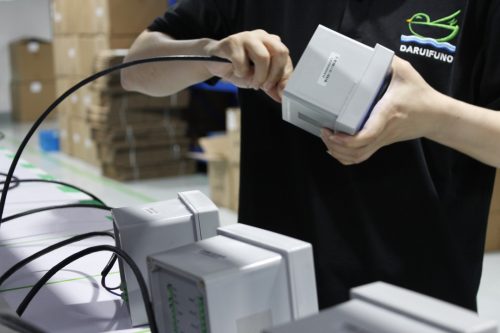




In May 2021, a commercial tomato greenhouse in South Holland struggled with erratic nutrient levels caused by manual dosing delays. The resulting pH fluctuations led to severe nutrient lockout and a significant reduction in overall crop quality.
We deployed the DPH-series digital pH sensors paired with the MCC-200 multi-channel controller, which features real-time automatic dosing logic to eliminate nutrient fluctuations.

In March 2024, a high-tech vertical farming facility in New York faced recurring root rot issues due to undetectable drops in dissolved oxygen (DO). This oxygen deficiency in their deep-water culture system caused a devastating $40,000 loss in a single harvest cycle.
We installed the MD-500 Optical Dissolved Oxygen Sensor and ADO-2 DO Controller, featuring an integrated relay control that automatically activates aeration pumps whenever oxygen levels drop.

Hydroponic growers in the Netherlands experience massive crop yield losses and root diseases because traditional multi-sensor setups fail to deliver stable, real-time electrical conductivity (EC) and pH readings in recirculating nutrient solutions. Managing these closed-loop irrigation systems is constantly disrupted by electrode drifting caused by concentrated fertilizer salts, leaving delicate leaf crops vulnerable to nutrient burning or severe starvation.
Connecting the DPH790 digital pH probe and DEC790 conductivity sensor to a single MCC200 multi-channel controller creates an integrated monitoring node for tracking critical root-zone chemistry.
Need a custom hydroponic solution? Click to get your free expert quote now!

English

French

German

Portuguese

Spanish