Metals & Mining
Robust Water Quality Analytics Engineered to Perform in the Harshest Mining and Smelting Environments.
Robust Water Quality Analytics Engineered to Perform in the Harshest Mining and Smelting Environments.
The metals and mining sector increasingly prioritizes sustainable mineral processing and advanced mine wastewater treatment to meet stringent global environmental regulations. Integrating real-time water quality analytics is essential for optimizing resource recovery and managing heavy metal discharge in complex tailings and smelting operations.

Industrial wastewater treatment typically involves equalization, pH adjustment, coagulation, biological processing, clarification, and final discharge. Each stage requires continuous online monitoring to control dosing, stabilize process performance, and ensure regulatory compliance.
| Category | Details | Benefits of Online Monitoring | ||||||||||||||||||
| Key Water Quality Parameters | pH Level: Critical for heap leaching kinetics and acid mine drainage (AMD) control. | Ensures optimal metal dissolution rates and automates lime dosing for precise effluent neutralization. | ||||||||||||||||||
| ORP (Redox): Monitors oxidative leaching of gold and sulfide mineral flotation. | Guarantees complete chemical oxidation of ores and prevents excessive consumption of expensive oxidants. | |||||||||||||||||||
| Inductive Conductivity: Measures reagent concentration in heavy slurry and high-scaling environments. | Optimizes acid/alkali recovery in processing loops and minimizes sensor fouling in abrasive ore slurries. | |||||||||||||||||||
| Temperature: Regulates exothermic reaction speeds in pressure oxidation (POX) circuits. | Maintains stable reaction thermodynamics and prevents thermal damage to specialized tank linings. | |||||||||||||||||||
| Dissolved Oxygen (DO): Essential for cyanidation efficiency and bio-leaching bacteria health. | Maximizes gold extraction yields by maintaining oxygen levels and prevents anaerobic process stalls. | |||||||||||||||||||
| Turbidity: Indicates suspended solids in thickener overflow and recycled process water. | Provides real-time verification of flocculation efficiency and prevents sediment buildup in cooling systems. | |||||||||||||||||||
| How Online Sensors Improve Operations | Automated Reagent Dosing: Real-time feedback loops for cyanide, acid, and collector injection. | Eliminates manual sampling delays, slashes chemical costs by 15-25%, and ensures consistent grade recovery. | ||||||||||||||||||
| Tailings Stability Control: Monitors chemical parameters to stabilize waste rock and slurry storage. | Optimizes the removal of Arsenic, Mercury, and Lead to meet stringent global mining discharge permits. | |||||||||||||||||||
| Early Leakage Detection: Instant alerts for HDPE liner failures or pipe bursts in leach pads. | Prevents catastrophic environmental contamination and protects the mine’s social license to operate. | |||||||||||||||||||
| Compliance Data Logging: Automated digital records for ESG reporting and regulatory audits. | Simplifies environmental reporting and supports predictive maintenance of critical wastewater infrastructure. | |||||||||||||||||||
| Typical Application Scenarios | Heap Leaching Monitoring: Direct control of cyanide and acid spray concentration. | Extends ore pad life and maximizes the recovery of precious and base metals from low-grade ores. | ||||||||||||||||||
| Flotation Cell Management: Optimization of chemical conditions in froth flotation circuits. | Significantly improves concentrate grade and lowers mineral losses in the final tailings stream. | |||||||||||||||||||
| Mine Effluent Treatment (ETP): Final heavy metal removal and pH adjustment before discharge. | Ensures 24/7 compliance with local discharge permits and avoids massive environmental fines. | |||||||||||||||||||


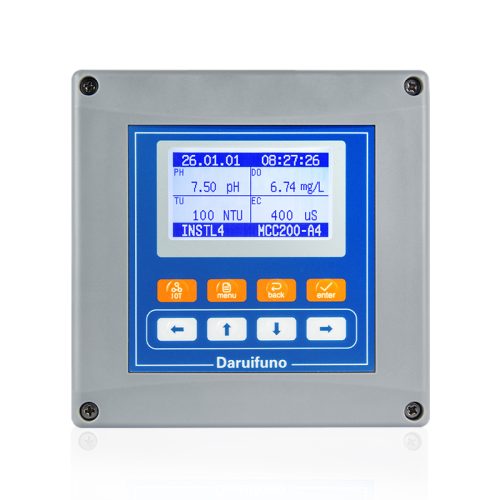
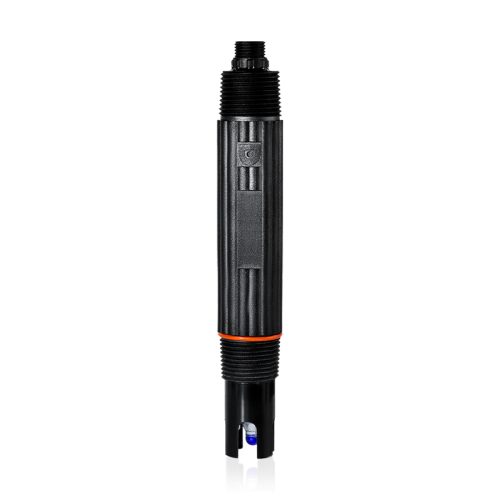
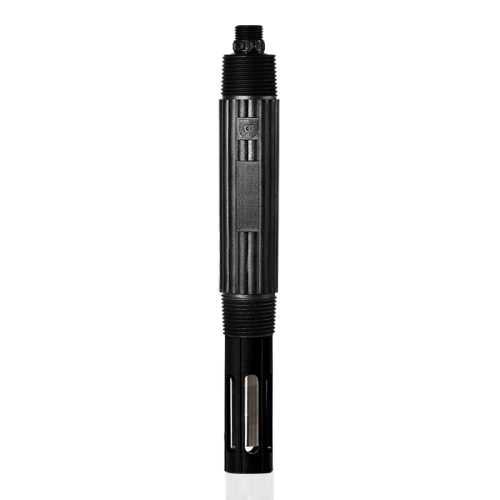
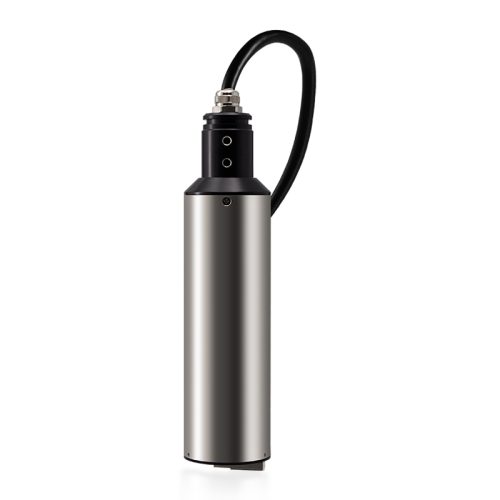
| Supported pH Range | 0-14 |
| Accuracy | ±0.02 pH/±1 mV ORP |
| Temperature Range | 0-80°C |
| Output Options | 4-20mA / RS485 MODBUS / Relay |
| Installation Methods | Subnersible / Flow Cell / Pipeline |
| Turbidity Range | 0-4000 NTU |
| Dissolved Oxygen | 0-20mg/L(optical) |


Please contact us immediately to speak with our experts and receive a discounted quote.
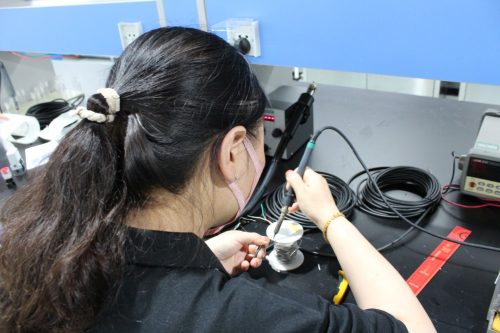



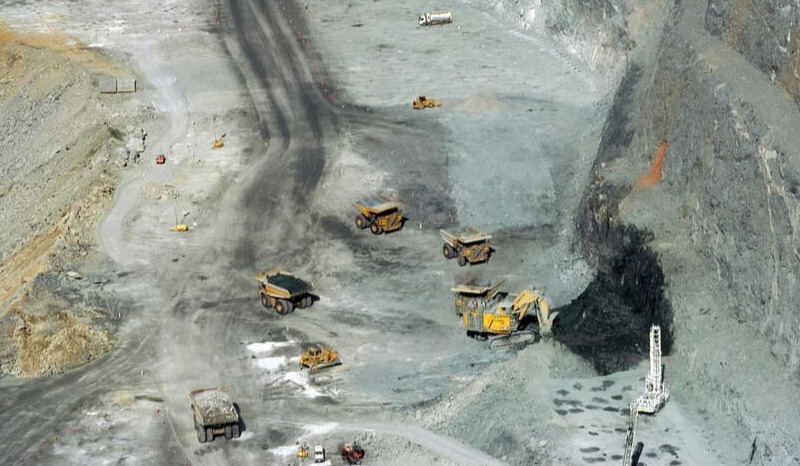
Large-scale gold mining operations in Peru struggled with inefficient reagent utilization in their heap leaching pads during February 2023. Persistent sensor fouling from heavy ore slurries caused inaccurate cyanide concentration readings, leading to poor gold recovery rates and excessive chemical costs.
Our AEC inductive conductivity controller, paired with the PFA-encapsulated ASC sensor, eliminates sensor fouling through electrodeless technology to ensure precise cyanide concentration monitoring in abrasive slurries.
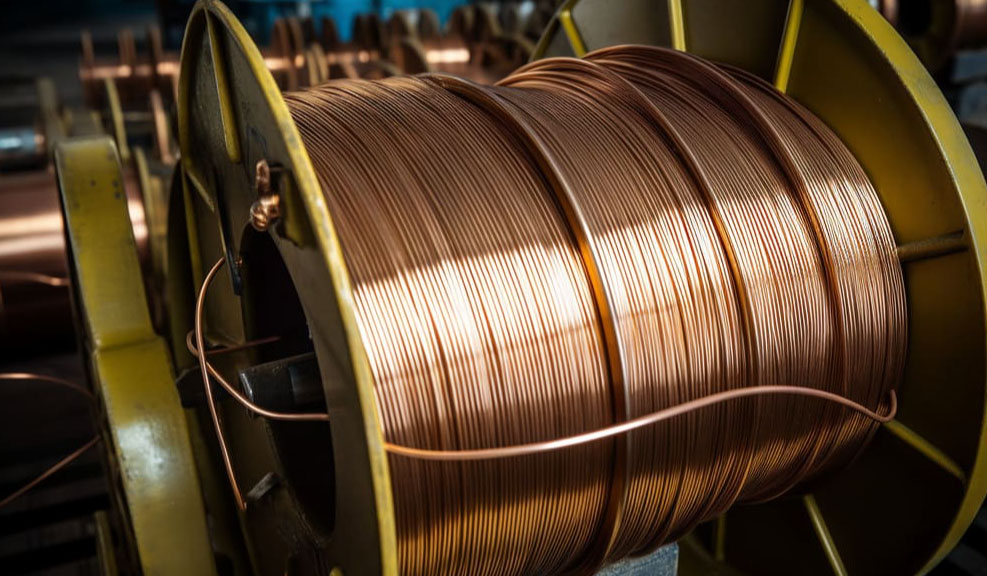
A major copper refinery in Chile faced frequent neutralization tank overflows in May 2022 due to heavy metal scaling on pH probes. Rapid gypsum and metal silicate buildup caused sensor sluggishness, leading to inaccurate acid neutralization and costly environmental penalties.
Our APX-2 pH controller, integrated with the flat-surface ASP300 sensor and an automated jet cleaning system, effectively dissolves gypsum buildup to maintain continuous measurement accuracy without manual intervention.
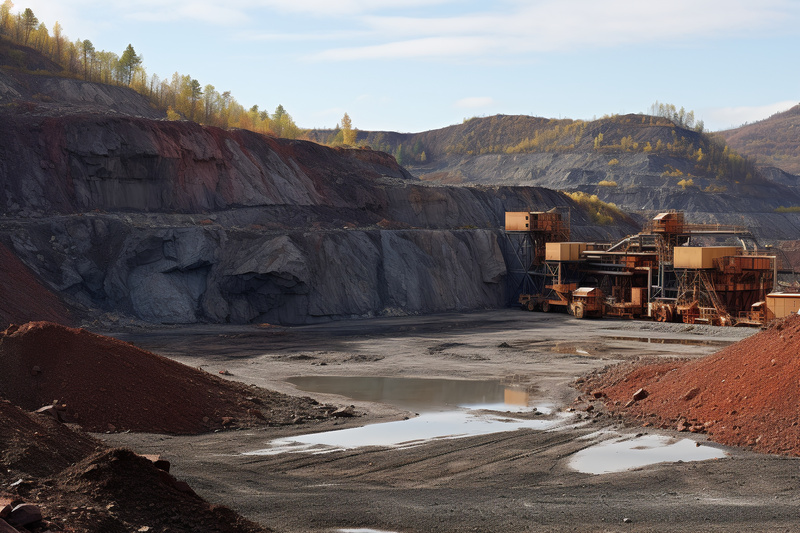
Bauxite processing operations in Australia struggle with severe environmental compliance hazards and excessive chemical neutralizing agent waste due to extreme pH spikes in their red mud tailings management loops. Managing these highly caustic slurry channels is continuously disrupted by rapid sensor scaling and heavy chemical abrasion on glass membranes, resulting in frequent measurement drift and failure to maintain automated regulatory neutralization.
Deploying the heavy-duty ASP127E pH glass sensor alongside the high-precision APX2 controller delivers a resilient monitoring infrastructure directly within the abrasive, high-alkalinity channels. This industrial-grade combination counteracts severe chemical abrasion and sensor scaling on cylindrical membranes, ensuring uninterrupted, drift-free automated regulatory dosing.
Can’t find your specific mining challenge? Contact our experts for a customized technical consultation and a competitive project quote today.

English

French

German

Portuguese

Spanish