
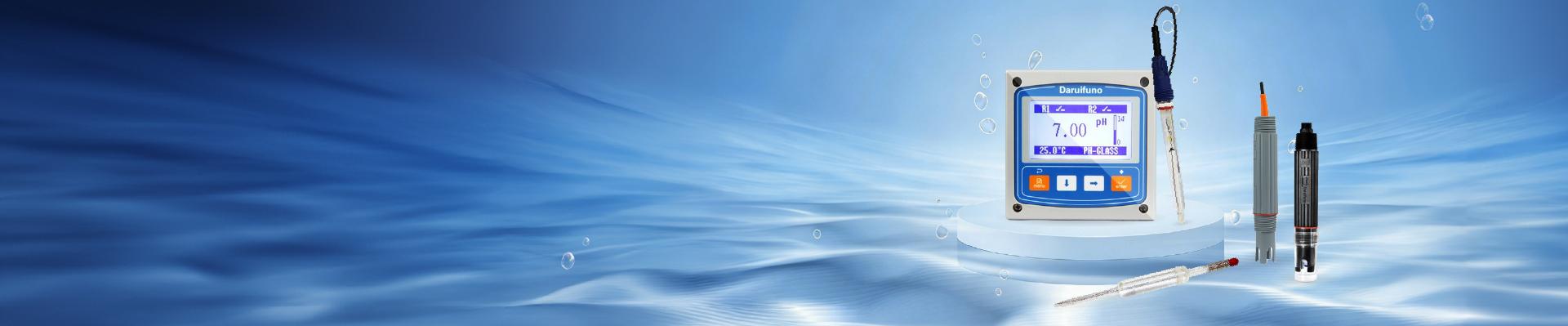
Multiparameter Sensor
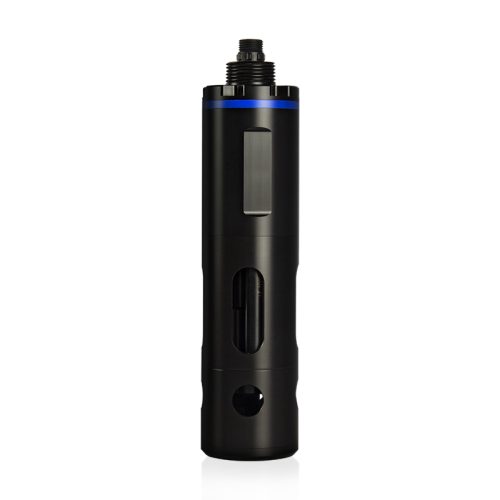
A smart 7-in-1 sensor for comprehensive monitoring of DO, pH, ORP, Conductivity, Turbidity, Chlorophyll, BGA, and Oil in Water.
A smart 7-in-1 sensor for comprehensive monitoring of DO, pH, ORP, Conductivity, Turbidity, Chlorophyll, BGA, and Oil in Water.
0~1000 mg/L
2-5 weeks
1
Contact Us
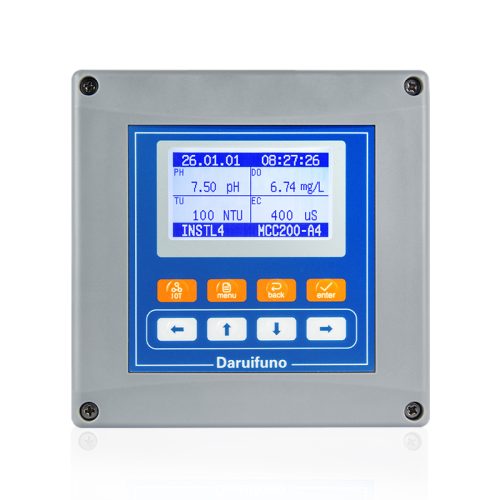
pH、ORP、Cond、DO、Tur、TSS、COD、NH4-N、OIW、Cl、Disinf、Ion、Chl、BGA、NO3、CDOM、DFS、Colorim.
2-5 weeks
1
Contact Us
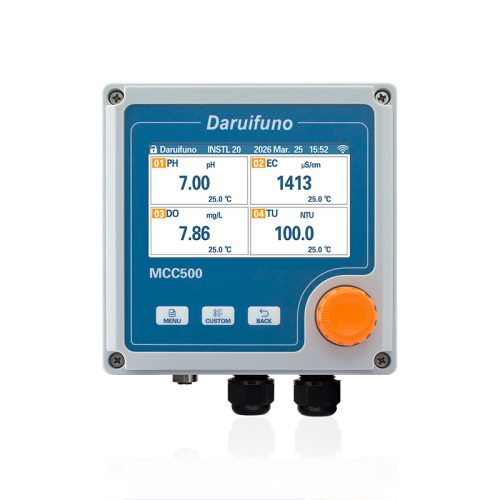
pH、ORP、Cond、DO、Tur、TSS、COD、NH4-N、OIW、Cl、Disinf、Ion、Chl、BGA、NO3、CDOM、DFS、Colorim.
2-5 weeks
1
Contact Us


Request an instant quote today to get the best factory pricing and full technical support.
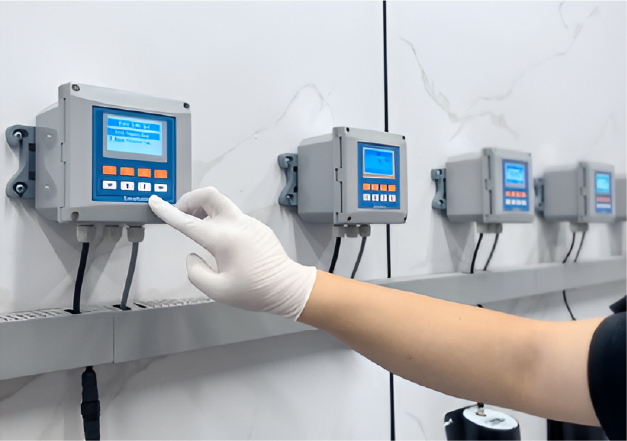
Integrated Intelligent Alarms: The system features a built-in master controller that automatically triggers alerts for power anomalies, communication failures, or cleaning brush malfunctions to ensure continuous operation.
Titanium-Alloy Armor for Extreme Environments: The entire sensor is encased in high-grade titanium alloy, providing exceptional corrosion resistance and durability in harsh seawater or wastewater conditions compared to standard plastic alternatives.
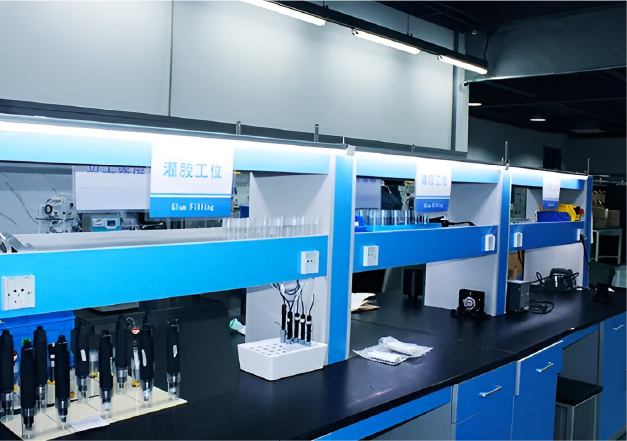
Our all-in-one digital sensor integrates multiple critical parameters into a single, robust housing to eliminate the need for multiple complex installations. It utilizes a universal Modbus RS485 interface that allows you to connect directly to your existing PLC or SCADA system with zero configuration.
The pre-calibrated smart modules enable onsite replacement in seconds without requiring specialized technical tools or downtime. You can enjoy reliable, high-precision data with significantly reduced manual labor and lower long-term maintenance costs.


Industrial wastewater plants in Thailand struggled with data gaps and excessive sensor drift caused by using multiple independent single-parameter probes that required constant manual calibration.
The MPS300 digital multi-parameter probe integrates pH, dissolved oxygen, and turbidity sensors into a single titanium-alloy body, providing a unified RS485 output to eliminate data gaps and calibration drift.
By adopting the MPS300, the plant achieved 100% data synchronicity for regulatory compliance while freeing up technical staff for higher-value process optimization instead of repetitive sensor calibration.

The government-led groundwater management project in Mexico struggled with high failure rates and inaccurate salt-intrusion data caused by deploying disparate sensors in narrow, deep-well environments.
The MPS300 multi-parameter sonde combines conductivity, temperature, and depth sensors into a slim 1-inch diameter housing, allowing for seamless deployment in narrow boreholes with a single cable connection.
By mapping precise freshwater-saline interfaces, the setup enabled the restoration of dormant wells, generating tens of thousands of dollars in annual water revenue while preventing pump-damaging silt intake.

A leading chemical manufacturing plant required precise pH control for their high-acid effluent neutralization process in Spain.
Daruifuno ASP300 series composite pH sensors paired with APX2-C1 digital controllers.
Our solid-electrolyte sensors eliminated junction clogging caused by chemical precipitates, reducing maintenance frequency by 60% and ensuring total compliance with environmental discharge standards.
Multi-parameter sensors utilize digital integrated bus technology to simultaneously process signals from electrochemical (pH/ORP), optical (DO/Turbidity), and physical (Conductivity/Pressure) electrodes through a single MCU. The core mechanism relies on RS485 Modbus RTU protocols to convert diverse analog voltage and current signals into standardized digital data, eliminating cross-parameter interference within a unified probe housing. By employing automatic temperature and pressure compensation algorithms, the sensor dynamically corrects raw electrode responses to ensure high-precision data stability across varying aquatic environments. This integrated digital architecture allows for high-frequency, synchronized sampling of multiple water quality variables through a single cable interface.
Advanced multiparameter sensors drive environmental sustainability by facilitating real-time ecological monitoring and high-precision groundwater protection through low-power, integrated digital technology. These systems minimize the carbon footprint of field operations by reducing onsite maintenance and chemical reagent use, aligning with ESG (Environmental, Social, and Governance) standards for green water management. By providing continuous, synchronized data on aquatic health, the technology supports biodiversity conservation and long-term resource circularity in sensitive ecosystems.
Get Expert Technical Support and a Custom Quote in Minutes.

English

French

German

Portuguese

Spanish