
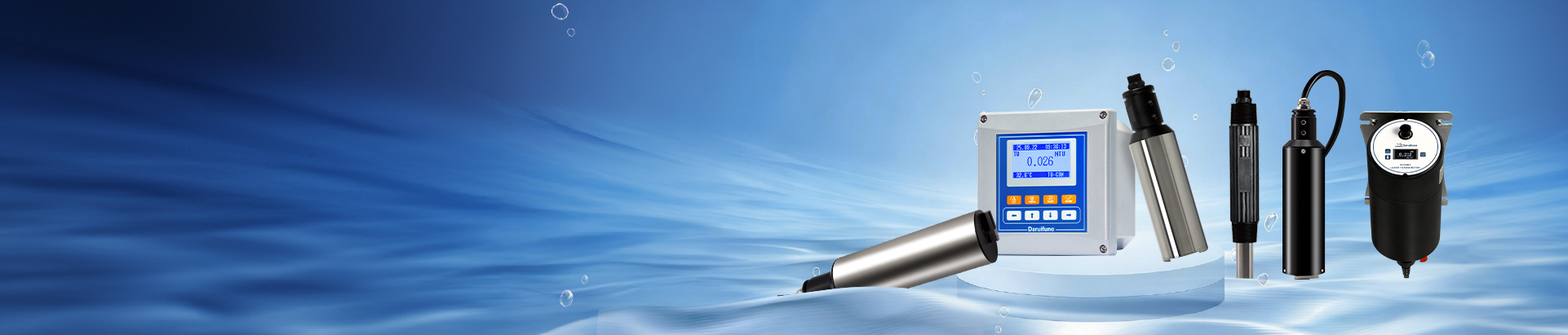
Turbidity / TSS Sensor & Controller
Precision Laser & Infrared Digital Sensing for Smarter Water Analytics.
Precision Laser & Infrared Digital Sensing for Smarter Water Analytics.
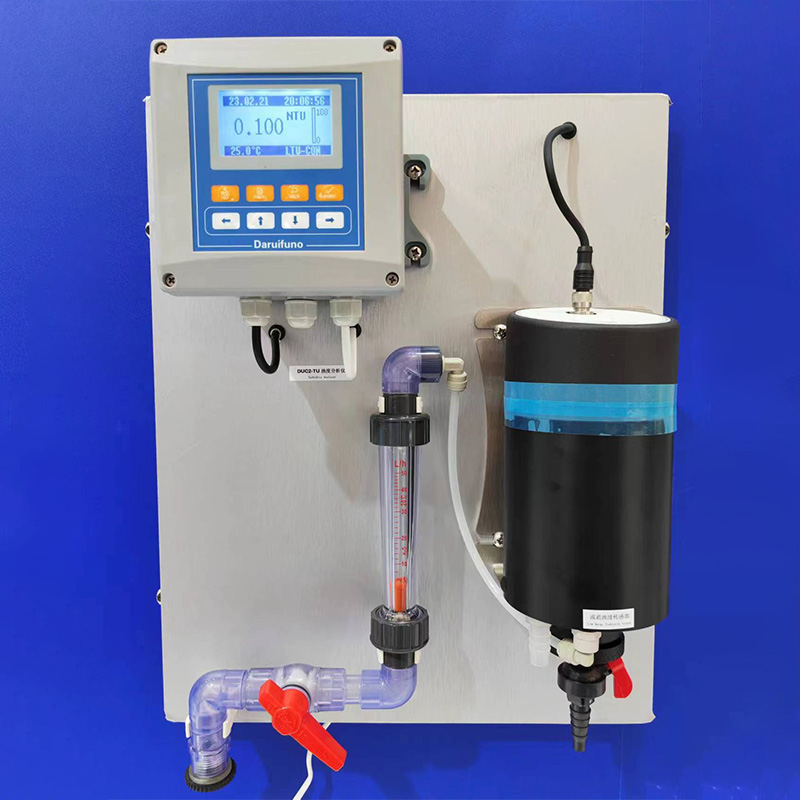
Supports a comprehensive measurement range from 0.001 to 4000 NTU, providing accurate water clarity data for both clean water and industrial wastewater applications.
Utilizes the standardized 90° light scattering method to ensure high sensitivity and a resolution of 0.001 NTU, effectively capturing even subtle changes in suspended solids.
Engineered with a robust housing rated for pressures up to 1-6 bar, allowing for reliable continuous monitoring in deep tanks and pressurized pipe systems.
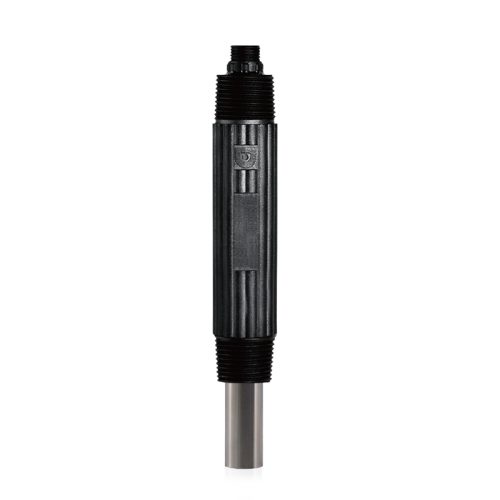
0~1000NTU
2-5 weeks
1
Contact Us
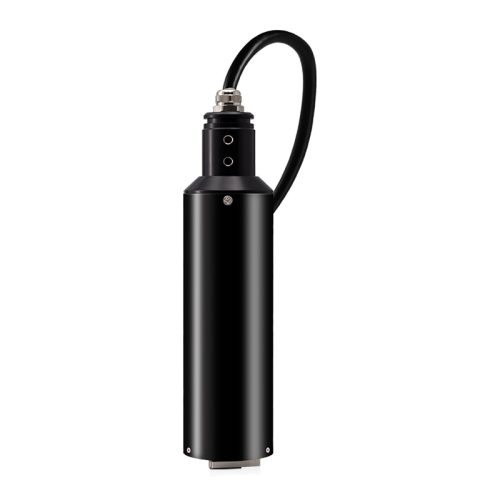
0~4000NTU
2-5 weeks
1
Contact Us

TU: 0.01~4000NTU
2-5 weeks
1
Contact Us
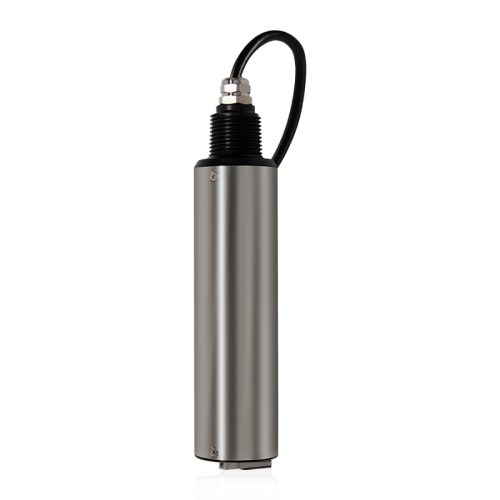
0~3000NTU
2-5 weeks
1
Contact Us
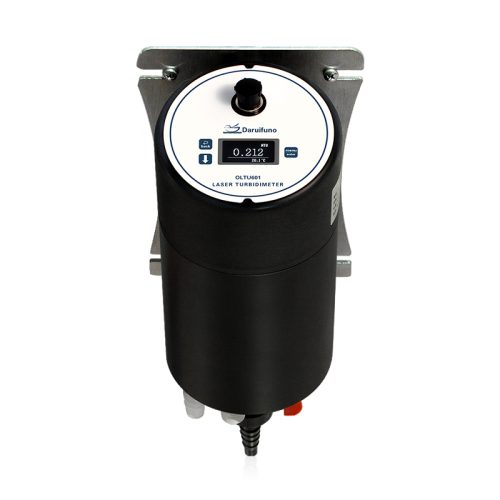
Turbidity: 0.001~100NTU TEMP: 0~45℃
2-5 weeks
1
Contact Us
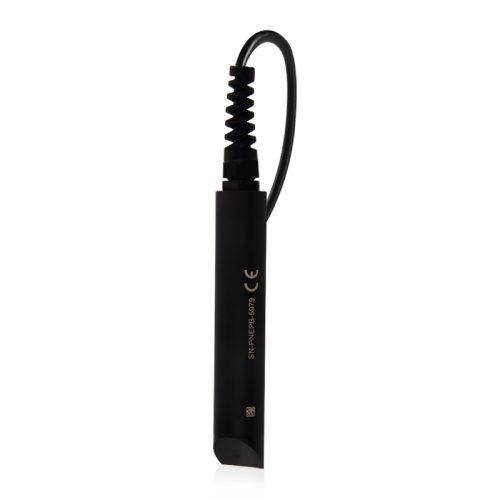
Turbidity
2-5 weeks
1
Contact Us
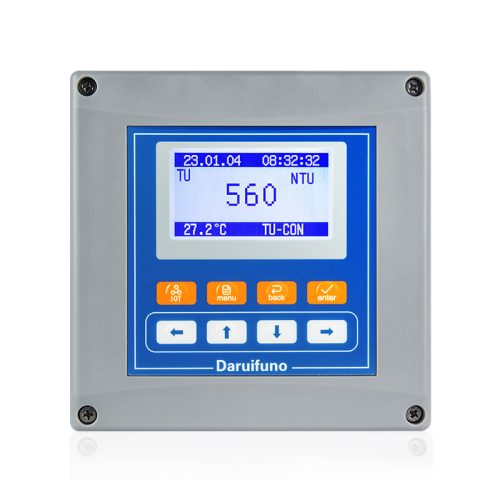
Turbidity
2-5 weeks
1
Contact Us

Total Suspended Solids
2-5 weeks
1
Contact Us

0.01~20g/L
2-5 weeks
1
Contact Us


Speak with our engineers to find the ideal sensor and controller combination for your specific water conditions.
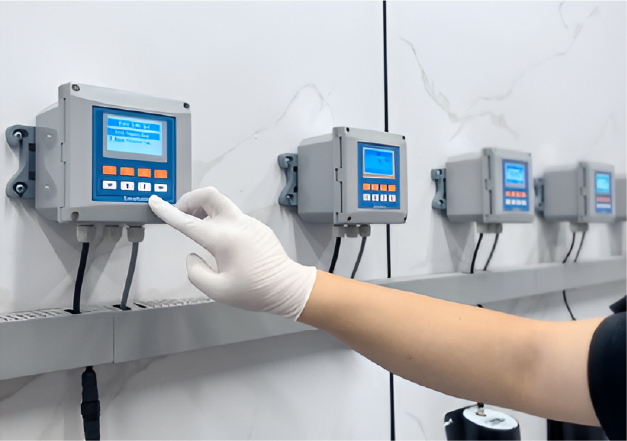
Precision in Low-Turbidity Monitoring: OLTU600/601 laser sensors leverage 660nm scattering technology to deliver 0.001 NTU resolution, ideal for ensuring drinking water safety and compliance.
Durable Performance in Harsh Environments: Our infrared OPTU series features a 316L stainless steel or titanium body with optional self-cleaning brushes to prevent bio-fouling in wastewater and industrial sludge applications.
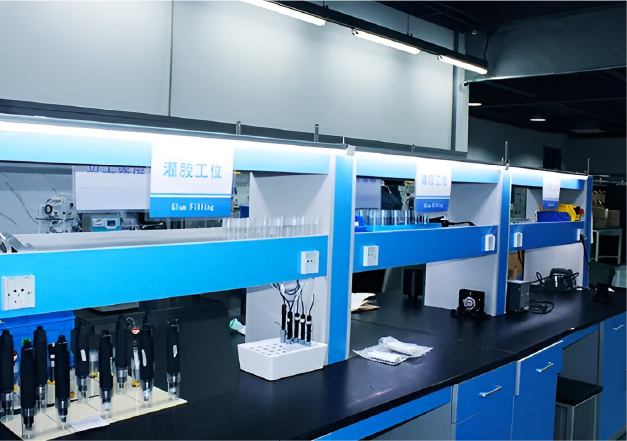
Environmental Resilience: IP66-rated housing and a wide operating temperature range ensure stable 24/7 performance in high-humidity and corrosive industrial sites.
Streamlined Configuration: Intuitive multilingual menus and quick-setup shortcuts reduce commissioning time and simplify on-site maintenance for operators.


A chemical processing facility in Brazil struggled with frequent maintenance and signal drift caused by chemical interference and lens fouling in their high-turbidity effluent.
Integrated the OPTU801 infrared sensor with an automatic cleaning brush and the MCC500 multi-channel controller for stable, hands-free effluent monitoring.
Our client achieved a 90% reduction in manual cleaning labor while maintaining continuous, drift-free data accuracy for regulatory compliance.

A massive recirculating aquaculture system (RAS) in Norway struggled with high salmon mortality rates caused by undetected spikes in organic turbidity that clogged fish gills.
Integrated the OPTU802 infrared sensor with a self-cleaning brush and DUC200 controller to ensure maintenance-free, accurate monitoring in organic-rich RAS water.
This solution effectively eliminated mass fish mortality by providing instant turbidity alerts, saving the farm tens of thousands of dollars in potential stock loss annually.

Surface water treatment plants in India encounter drastic turbidity fluctuations during monsoon seasons, where traditional filtration systems often fail to keep up with sediment loads, compromising the safety of the city's drinking water supply.
Deploying DUC2-TU digital controllers with OPTU series sensors provides stable, real-time tracking of suspended solids and turbidity levels, allowing for automated chemical dosing to manage heavy sediment loads effectively.
Implementation of this monitoring system reduced flocculant usage by 15% and maintained filtered water turbidity consistently below 1 NTU even during extreme monsoon peaks. Reliable real-time data ensures 100% compliance with safe drinking water standards, preventing public health risks and significantly lowering maintenance costs for local water boards.
Our advanced sensors utilize precision optical methods to provide a highly sensitive, real-time assessment of water clarity and solid loading, far surpassing manual gravimetric sampling in consistency and speed.
Turbidity Measurement (ISO 7027 Scattered Light Principle): Based on the international ISO 7027 standard, the OPTU series employs a 90-degree scattered light principle, utilizing an infrared beam (typically 860nm wavelength) to detect suspended particles in water. By measuring the intensity of scattered light perpendicular to the incident beam, the system provides accurate formalin turbidity units (FNU/NTU) readings, ensuring full compliance with environmental emission regulations. The OLTU series, on the other hand, uses a 660nm laser scattering principle. Lasers offer excellent directionality, concentrated frequency, and low error, making them specifically designed for low-turbidity measurement.
Total Suspended Solids (TSS) Monitoring (Optical Attenuation): TSS measurement is achieved through the light transmission principle, tracking the attenuation of an infrared signal as it passes through the water column. This method allows for the continuous quantification of Total Suspended Solids (TSS) in mg/L, providing critical data to optimize filtration processes, protect downstream membranes, and ensure efficient sludge management in municipal and industrial treatment plants.
High-precision real-time monitoring of Turbidity and Total Suspended Solids (TSS) is the technological backbone of modern green development and ESG compliance, ensuring that industrial effluent and municipal wastewater treatment align with the strictest ISO 7027 standards. Our digital sensors provide an essential safeguard for fragile aquatic ecosystems, preventing sediment-driven ecological degradation and protecting high-value downstream infrastructure like RO membranes from premature fouling. Integrating continuous TSS data into your Smart Water Network not only minimizes your environmental footprint by reducing chemical and energy consumption but also drives a circular economy through optimized water reclamation and zero-liquid discharge (ZLD) strategies.
Still have questions? Get expert technical support and pricing below.

English

French

German

Portuguese

Spanish