
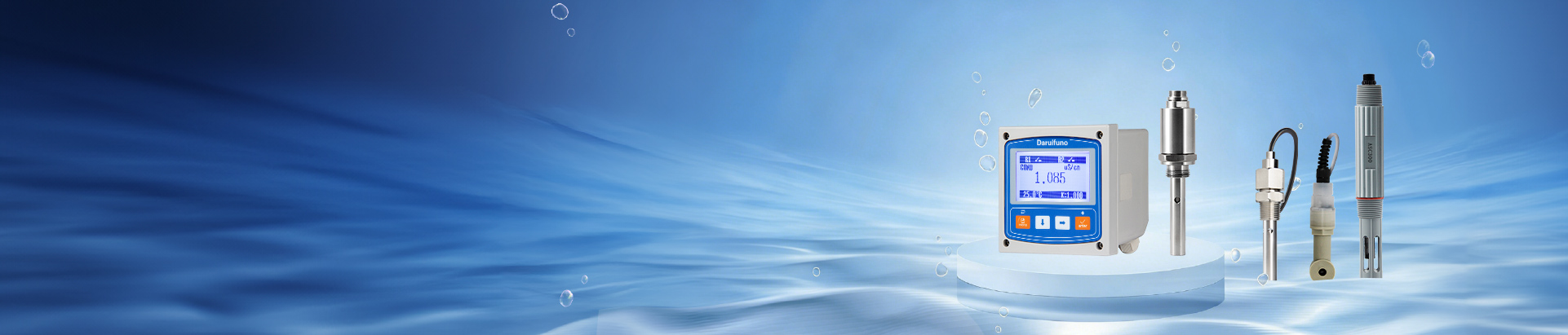
Conductivity Sensor & Controller
Conductivity sensors and controllers with different ranges are designed for reliable water quality monitoring.
Conductivity sensors and controllers with different ranges are designed for reliable water quality monitoring.
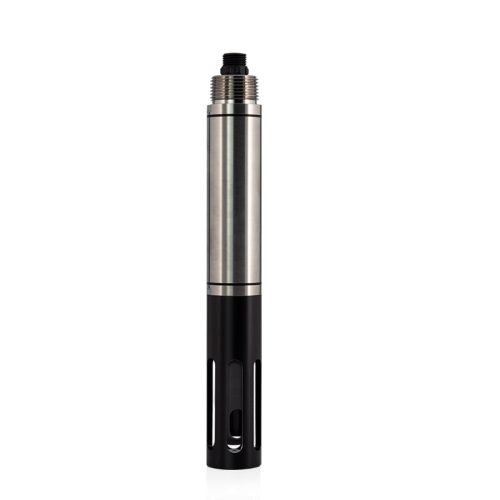
Utilizing electromagnetic induction technology to measure conductivity without direct electrode-to-liquid contact, eliminating risks of chemical corrosion or sensor coating in aggressive media.
Internal memory allows for convenient laboratory pre-calibration and true plug-and-play field deployment, reducing on-site technical requirements and ensuring consistent data accuracy.
Standard Modbus-RTU communication enables the sensors to interface with industrial control systems, providing a data stream while simplifying cable management across large-scale facilities.
0~10mS/cm
2-5 weeks
1
Contact Us
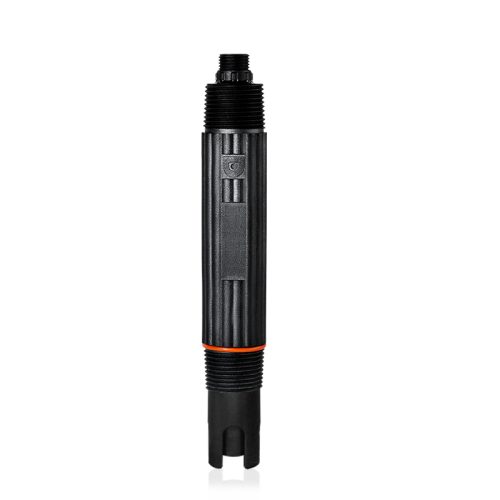
0~200mS/cm
2-5 weeks
1
Contact Us
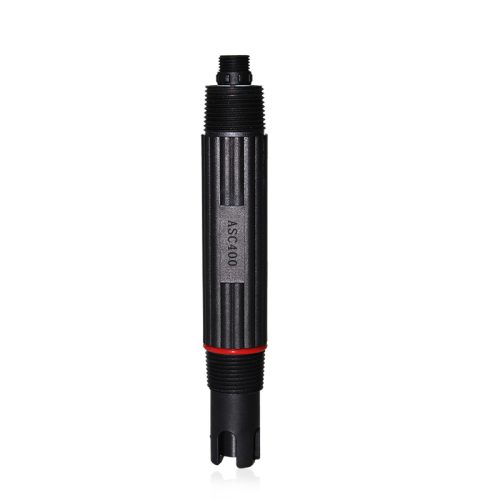
0~200mS/cm
2-5 weeks
1
Contact Us
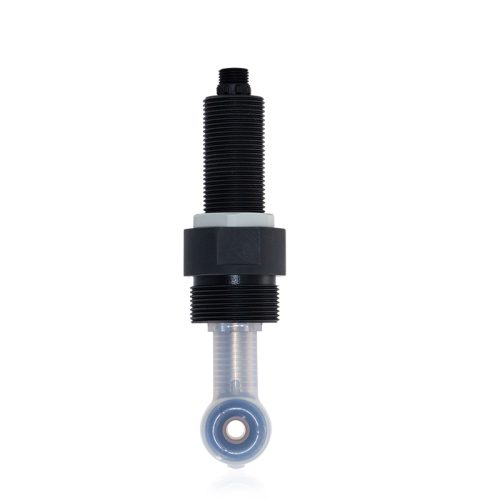
0~20mS/cm, 0~200mS/cm, 0~1000mS/cm, 0~2000mS/cm(@customized)
2-5 weeks
1
Contact Us
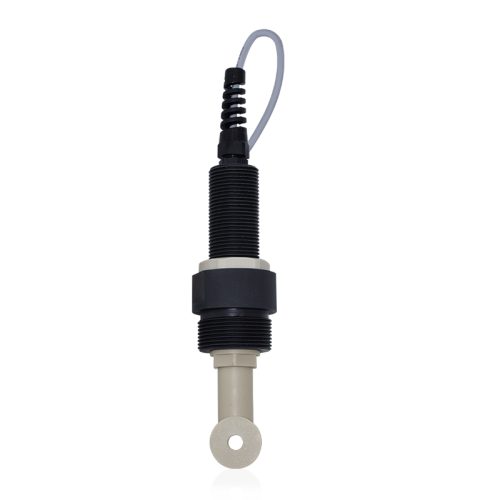
0~20mS/cm, 0~200mS/cm, 0~1000mS/cm, 0~2000mS/cm(@customized)
2-5 weeks
1
Contact Us
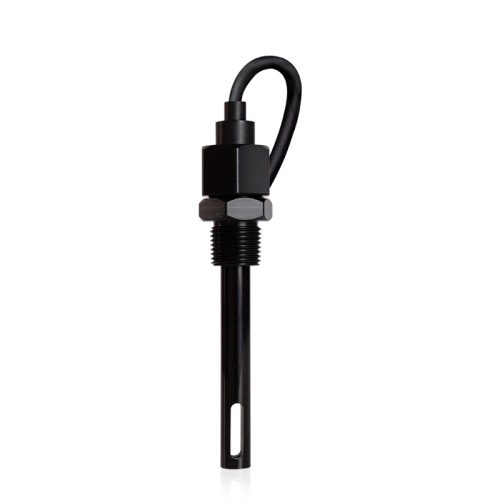
0~10mS/cm
2-5 weeks
1
Contact Us
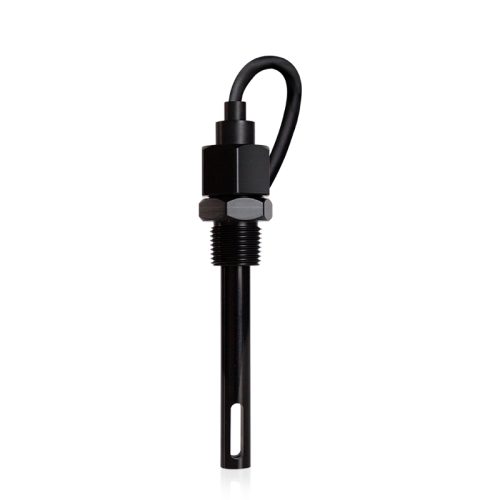
0~200mS/cm
2-5 weeks
1
Contact Us
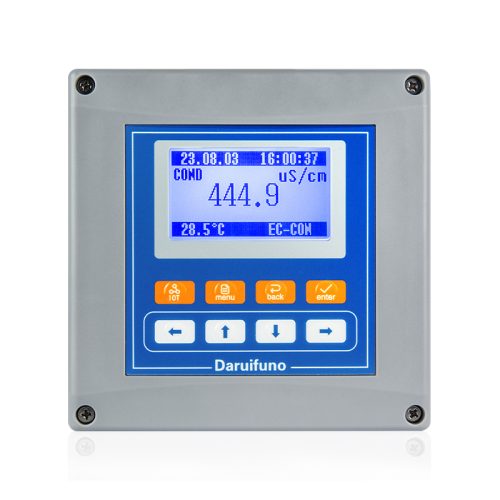
Conductivity/Resistivity/TDS/Salinity
2-5 weeks
1
Contact Us
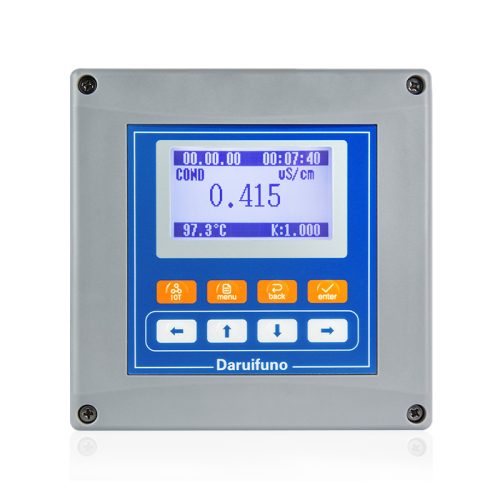
Conductivity/Resistivity/TDS/Salinity/Temp
2-5 weeks
1
Contact Us


Submit your requirements today to receive a customized digital conductivity solution and competitive pricing tailored to your specific industrial water treatment needs.
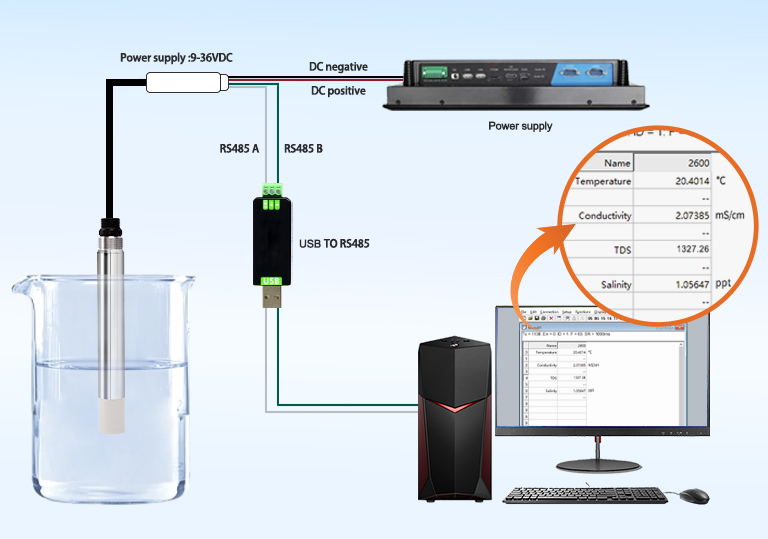
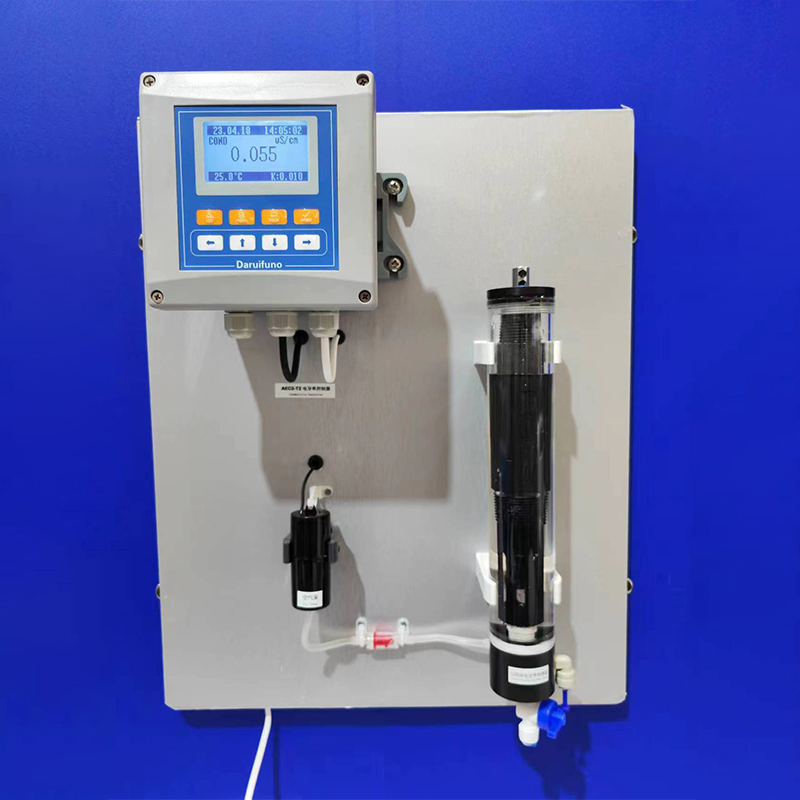
The controller supports wide voltage power supply, electronic clock display, customizable interface language, and can record and download historical data. It features 0/4-20mA current output and an RS485 interface, and its large size supports various installation methods.
In addition to displaying conductivity values, it can also display resistivity, TDS, salinity, acid/base concentration, and other related parameters.
Graphite conductivity electrodes offer excellent chemical stability and are not easily corroded in various electrolytes, making them suitable for measuring solutions with high conductivity. Ring-shaped magnetic induction conductivity electrodes provide non-contact measurement and are suitable for corrosive, high-viscosity solutions containing particles or suspended matter, such as strong acids, strong alkalis, sewage, and slurries, meeting the needs of various industrial and scientific research applications.
Stainless steel is resistant to neutral or weakly corrosive solutions, has low cost, and is suitable for conventional working conditions; Titanium alloy has stronger corrosion resistance and is suitable for strong acid, strong alkali, or high-temperature environments.


In Saudi Arabia, a major petrochemical refinery struggled with rapid sensor scaling and signal drift in their high-salinity cooling water loops, causing frequent system shutdowns and inaccurate chemical dosing.
We deployed the ASC 200 inductive conductivity sensor paired with the MCC500 multi-channel controller, leveraging non-contact technology to eliminate sensor scaling and RS485 Modbus for stable, interference-free data transmission in extreme refinery environments.
This solution achieved 12 months of zero-maintenance operation and significantly reduced chemical dosing costs by ensuring 99.9% measurement accuracy in extreme industrial conditions.

A thermal power plant in Indonesia experienced rapid pipe scaling and inefficient thermal transfer due to inaccurate conductivity monitoring in their high-pressure boiler feed water, leading to excessive fuel consumption and unplanned maintenance.
Deployed the DEC360 digital 4-electrode conductivity sensor with a titanium body and DUC2 digital controller, leveraging its high-pressure endurance and automatic temperature compensation to ensure precision monitoring in thermal power steam loops.
This high-precision solution optimizes boiler blowdown control and prevents scale buildup, significantly reducing energy consumption and unplanned maintenance costs for sustainable power plant operations.

Dairy production facilities in Australia implemented advanced conductivity monitoring to automate their Cleaning-in-Place (CIP) processes and precisely identify phase transitions between product, water, and cleaning chemicals.
Delfino digital 4-electrode conductivity sensors were paired with DUC2 universal controllers to provide rapid, temperature-compensated measurements of high-concentration caustic and acid detergents.
This real-time concentration tracking minimized cross-contamination risks and optimized water recovery, leading to a 25% reduction in rinse water consumption and ensuring strict adherence to international food safety and hygiene standards.
Conductivity is a key water quality parameter that measures a solution’s ability to conduct electrical current, directly related to the concentration of dissolved ions such as salts, acids, and bases. In water analysis, electrical conductivity (EC) is widely used to estimate total dissolved solids (TDS) and assess water purity in applications ranging from drinking water to industrial wastewater treatment. Higher ion concentration results in higher conductivity, making it an essential indicator for monitoring chemical composition, contamination levels, and overall process stability.
The conductivity measurement principle is based on applying an alternating voltage between electrodes and measuring the resulting current flow, which is proportional to the ionic conductivity of the solution. Contact conductivity sensors typically use 2-electrode or 4-electrode designs to improve accuracy and reduce polarization effects, while inductive (electrodeless) conductivity sensors use electromagnetic fields for non-contact measurement in corrosive or fouling environments. Combined with temperature compensation and intelligent controllers, conductivity sensors provide stable, real-time data for process control, chemical dosing optimization, and scaling or corrosion prevention in industrial water systems.
Advanced electrical conductivity monitoring is a vital pillar of environmental sustainability, providing real-time detection of ionic pollutants to prevent the degradation of precious freshwater ecosystems. By accurately tracking Total Dissolved Solids (TDS) and salinity levels, industries can optimize wastewater treatment processes to minimize their ecological footprint and ensure strict compliance with global green living and discharge standards. This essential data facilitates proactive water resource conservation, allowing for the safe recycling of industrial water and the long-term protection of biodiversity in our natural waterways.
Get expert answers to your complex monitoring challenges and find the perfect solution for your facility.

English

French

German

Portuguese

Spanish