
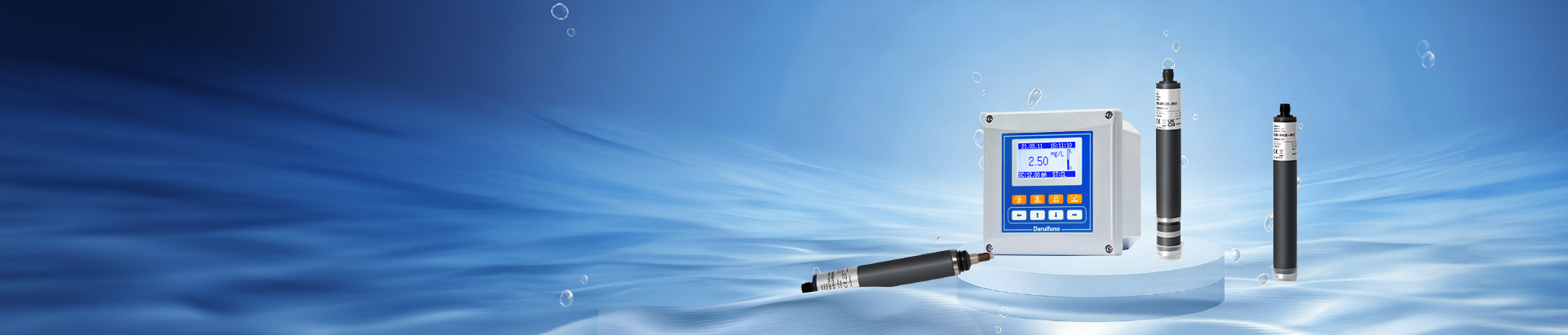
Disinfectant Sensor & Controller
Advanced online disinfectant sensors and disinfection controllers designed for continuous water quality monitoring and process control.
Advanced online disinfectant sensors and disinfection controllers designed for continuous water quality monitoring and process control.
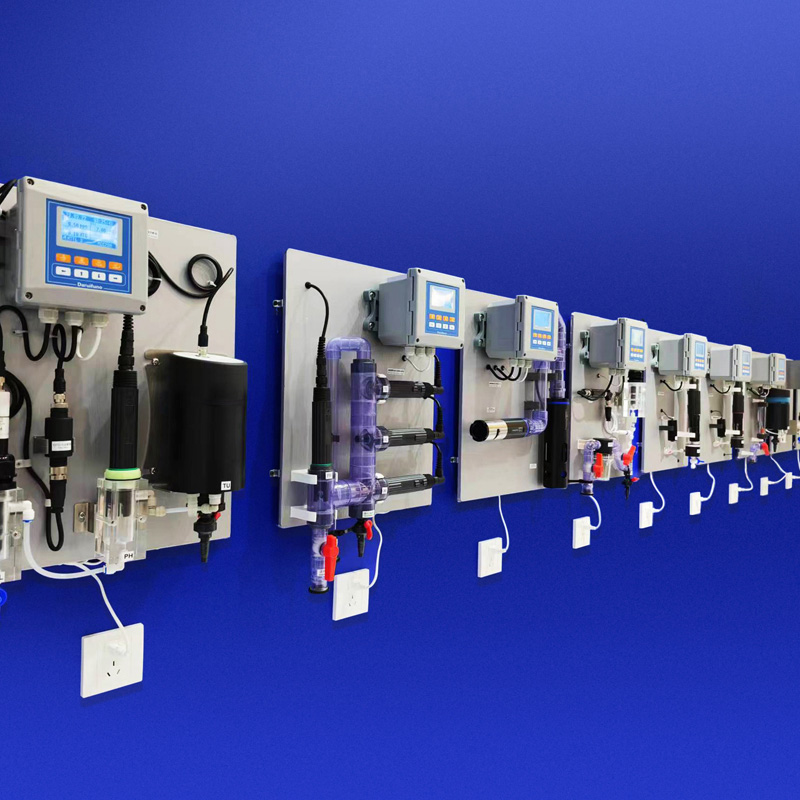
Provides monitoring for diverse disinfectants, including Chlorine Dioxide (0–20 mg/L), Ozone (0–10 mg/L), and Hydrogen Peroxide (0–2000 mg/L) to meet specific industrial dosing requirements.
Engineered with an electrolyte-filled membrane cap that resists interference from surfactants and scale, ensuring a stable resolution of 0.01 mg/L in complex cleaning-in-place (CIP).
Delivers consistent measurement reliability with an accuracy of ±1% F.S. and integrated temperature compensation, eliminating the data drift caused by process temperature fluctuations.
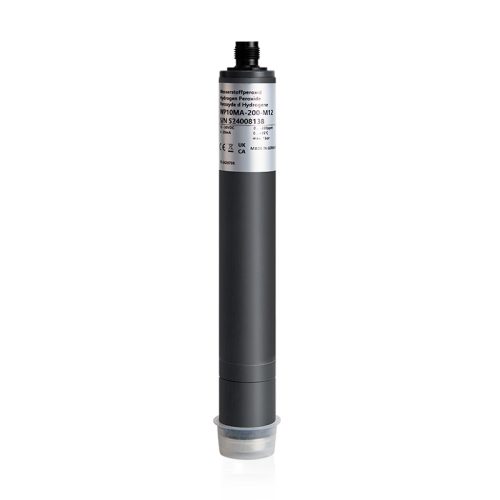
0.5~200ppm, 5~2000ppm, 0.005~2%(20000)ppm, 0.05~10%(100000)ppm, 0.05~20%(200000)ppm
2-5 weeks
1
Contact Us
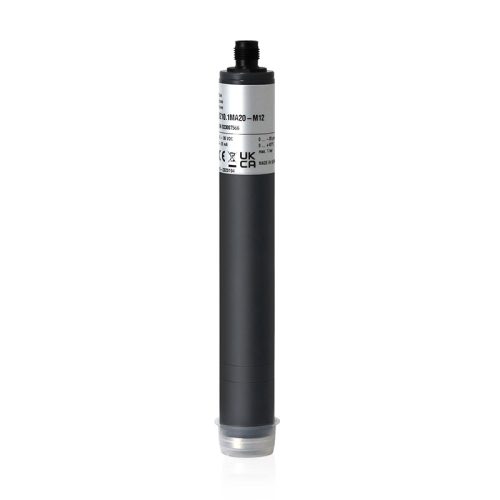
0.005~0.5/2ppm, 0.05~5/10/20ppm
2-5 weeks
1
Contact Us
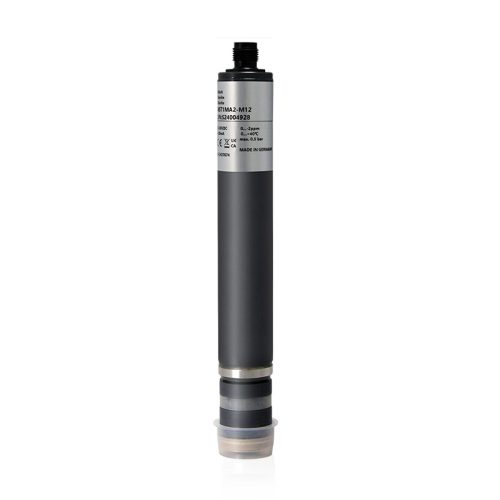
0.005~2ppm
2-5 weeks
1
Contact Us
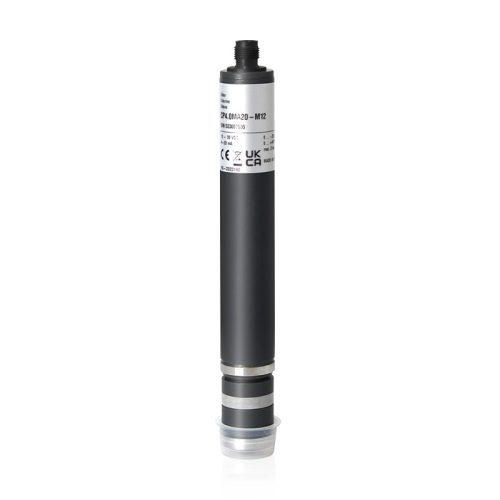
0.005~0.5/2ppm, 0.05~5/10/20ppm
2-5 weeks
1
Contact Us
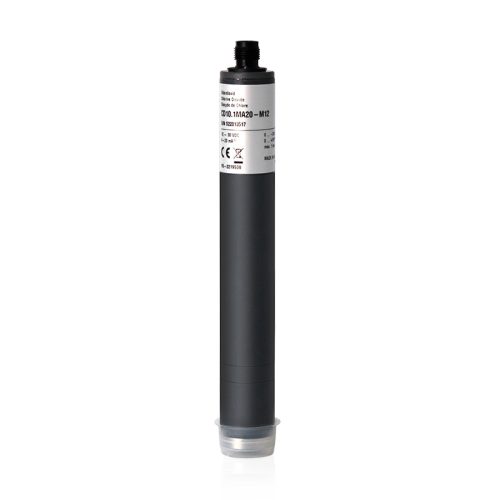
0.005~0.5/2ppm, 0.05~5/10/20ppm, 0.5~200ppm
2-5 weeks
1
Contact Us

Residual chlorine, chlorine dioxide, total chlorine, ozone, hydrogen peroxide, peracetic acid, chlorite, bromine
2-5 weeks
1
Contact Us


Access technical data sheets or request a direct quote for your specific water treatment needs.
The sensor boasts a wide measurement range, rich measurement capabilities, high accuracy, requires no zero-point calibration, and has a low detection limit, as low as 0.005 ppm, enabling the measurement of very low disinfectant concentrations.
The sensor utilizes a special electrolyte, significantly reducing its dependence on pH values and eliminating the need for pH sensor compensation. It also features built-in temperature compensation, allowing some sensors to operate at temperatures up to 70°C and pressures up to 8 Bar.
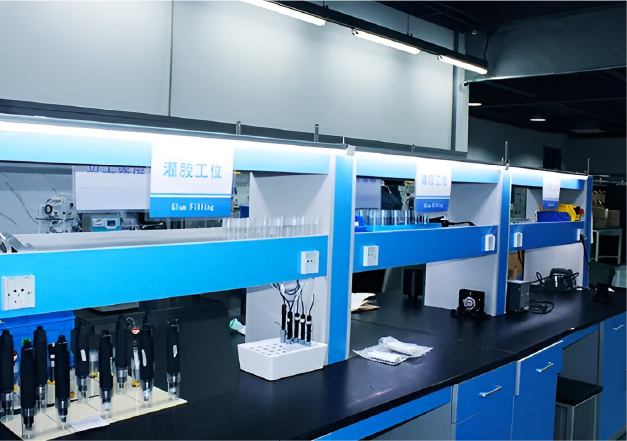
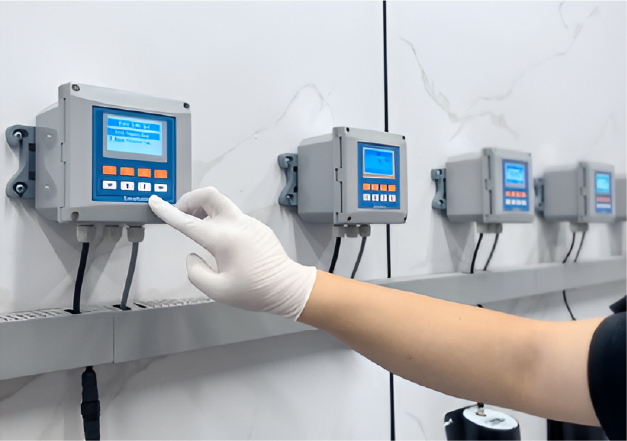
The DUC series features an ultra-compact 100x100mm form factor that supports both panel-mount and wall-mount configurations, significantly maximizing internal cabinet space and reducing installation overhead in high-density electrical enclosures.
Engineered for global deployment, the controller integrates a versatile power module that adapts to either 100~240V AC or 18~36V DC inputs, ensuring continuous system stability in remote monitoring sites with fluctuating voltage conditions.

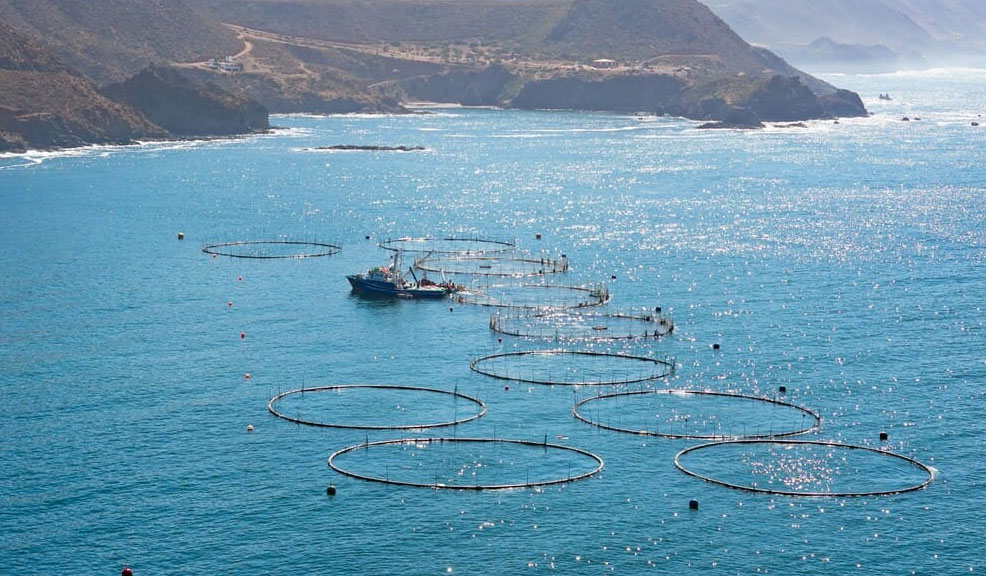
Fish farms in Chile struggle with erratic ozone and chlorine dioxide levels in high-salinity seawater, where inaccurate dosing leads to either lethal toxicity for aquatic life or insufficient disinfection against pathogens.
Integrating ADS2 digital controllers with CD4.2 chlorine dioxide and OZ series ozone sensors ensures stable, reagent-free monitoring that maintains precise disinfectant concentrations even in challenging high-salinity environments.
Precise ozone and chlorine dioxide control has improved fish survival rates by 15% and significantly reduced the chemical costs associated with overdosing. Real-time monitoring ensures 99.8% protection against waterborne pathogens while maintaining a safe environment for aquatic life, effectively optimizing farm productivity and operational sustainability.
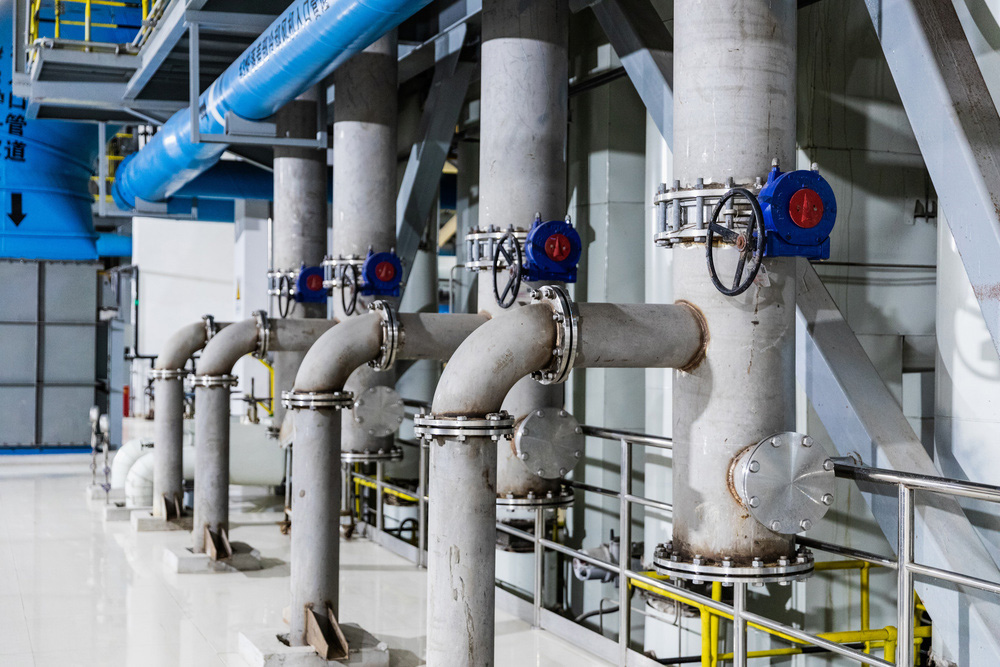
Municipal water providers struggled with unpredictable chlorine decay across aging pipelines, causing toxic overdosing at source points while failing to maintain mandatory residuals at distant taps.
Strategic deployment of multiple ADS2 stations equipped with either gold or platinum electrode chlorine sensors enables precise, real-time monitoring of disinfection dynamics across entire urban water networks.
Real-time automated tracking ensured 100% regulatory compliance while cutting manual sampling labor and maintenance costs by over 40%.
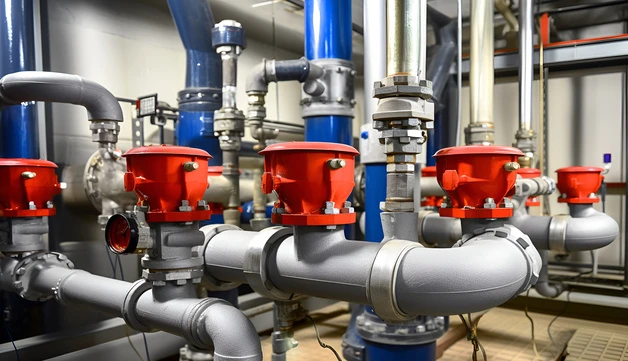
Facilities in France face severe compliance risks when trying to suppress Legionella in complex hot water networks, where fluctuating water temperatures cause erratic degradation of chemical biocides such as chlorine dioxide or free chlorine. Failure to monitor these dynamics in real time leads to localized pathogen outbreaks or corrosive overdosing that damages infrastructure.
Deploying ADS2 single-channel controllers equipped with versatile membrane-covered amperometric sensors provides automatic, precise dosing control to counteract chemical degradation caused by temperature shifts.
Automated biocide regulation has successfully maintained 100% compliance with local Legionella control standards across commercial water networks. Eliminating manual chemical adjustments reduced chlorine dioxide consumption by 18% while significantly cutting operational maintenance costs.
Amperometric disinfection sensors utilize advanced constant-voltage amperometric membrane technology to achieve high-precision water quality monitoring. The measurement process begins at the hydrophobic, selectively permeable membrane, which acts as a molecular barrier; it allows active disinfectant molecules such as free residual chlorine (HOCl), chlorine dioxide (ClO2), or ozone (O3) to pass through while effectively blocking interfering ions, surfactants, and suspended particles.
Once these target molecules enter the electrolyte-filled chamber, a precise electrochemical redox reaction occurs at the multi-electrode system. At the gold or platinum working electrode (cathode), a specific polarization voltage drives a cathodic reduction reaction, where the arriving disinfectant molecules accept electrons and are reduced (for instance, HOCl+H⁺+2e⁻→ Cl⁻+H₂O). This micro-level electron transfer generates a weak but highly stable linear electrical current signal (nano-ampere level) that is directly proportional to the concentration of the disinfectant in the water sample.
To overcome the challenges of fluctuating water conditions, the raw current signal is processed through advanced microprocessor boards executing real-time pH and temperature compensation algorithms. Because the chemical equilibrium between hypochlorous acid (HOCl) and hypochlorite ions (OCl⁻) is heavily dependent on pH shifting, this dual-parameter compensation automatically corrects chemical balance errors and eliminates temperature-induced drift. Ultimately, this comprehensive electrochemical loop converts variable molecular diffusion into an accurate, digital parts per million (ppm) or mg/L reading on industrial controllers, ensuring flawless disinfection dosing control in municipal drinking water, swimming pool loops, and cooling tower water treatments.
Our monitoring solutions help you minimize the ecological impact of disinfectant residuals by ensuring precise dosing that prevents water-borne eco-toxicity. This proactive control supports your commitment to environmental sustainability by reducing chemical discharge and lowering the overall carbon footprint of your water treatment processes.
Still have questions? Get a tailored disinfection solution and a quick quote from our experts today.

English

French

German

Portuguese

Spanish