
Semiconductors & Electronics
Ensure ultra-pure water stability and maximize wafer yield with precision real-time monitoring for complex electronics manufacturing.
Ensure ultra-pure water stability and maximize wafer yield with precision real-time monitoring for complex electronics manufacturing.
Precision water quality management is the backbone of high-yield wafer fabrication, where maintaining ultra-pure water (UPW) conductivity and silica levels is critical to preventing micro-contamination. As global regulations tighten, semiconductor manufacturers are increasingly adopting advanced wastewater reclamation and zero-liquid discharge (ZLD) technologies to balance production scalability with environmental sustainability.

Industrial wastewater treatment typically involves equalization, pH adjustment, coagulation, biological processing, clarification, and final discharge. Each stage requires continuous online monitoring to control dosing, stabilize process performance, and ensure regulatory compliance.
| Category | Details | Benefits of Online Monitoring | ||||||||||||||||||
| Key Water Quality Parameters | Resistivity: Monitoring the 18.2 M/Ω·cm limit at UPW-polished loops to prevent ionic contamination. | Safeguards wafer yield by ensuring zero-trace ionic interference during critical cleaning stages. | ||||||||||||||||||
| TOC (Total Organic Carbon): Real-time detection of organic leachables from piping or makeup water. | Prevents carbon residue formation on semiconductor surfaces, reducing gate oxide integrity issues. | |||||||||||||||||||
| Dissolved Oxygen (DO): Trace-level oxygen monitoring (<5 ppb) in deaerated ultrapure water systems. | Inhibits uncontrolled native oxide growth on silicon surfaces to maintain precise thin-film deposition. | |||||||||||||||||||
| Silica & Boron: Tracking weakly ionized species that bypass standard ion exchange resins. | Protects high-temperature fab equipment from scaling and prevents dopant-level contamination. | |||||||||||||||||||
| Turbidity: High-sensitivity monitoring of suspended solids in CMP (Chemical Mechanical Polishing) slurry. | Optimizes filter life and prevents wafer scratching caused by large particle counts (LPC). | |||||||||||||||||||
| pH & Fluoride: Continuous monitoring of hydrofluoric acid (HF) concentration in etching wastewater. | Ensures precise neutralization of toxic effluents and maintains compliance with safety discharge permits. | |||||||||||||||||||
| How Online Sensors Improve Operations | Ultrapure Water Stability: Instant feedback on resin exhaustion or membrane breach in the UPW train. | Eliminates batch rejections by providing 24/7 verification of water grade before it touches the wafer. | ||||||||||||||||||
| Chemical Dosing Control: Automated control of biocides and neutralizers in cooling towers and scrubbers. | Slashes chemical Opex by 20% while preventing biofouling in critical facility cooling loops. | |||||||||||||||||||
| ZLD System Optimization: Monitoring brine concentration in Zero Liquid Discharge recycling loops. | Maximizes water recovery rates and minimizes the volume of hazardous liquid waste disposal. | |||||||||||||||||||
| Environmental Audit Trails: Automated digital logging of all discharge parameters for ISO/ESG reporting. | Reduces regulatory risks and simplifies the complex documentation required for global fab audits. | |||||||||||||||||||
| Typical Application Scenarios | Wafer Fabrication Rinse: Integrated resistivity and TOC monitoring for front-end-of-line (FEOL) cleaning. | Ensures atomic-level cleanliness, directly correlating to higher probe test success rates. | ||||||||||||||||||
| CMP Slurry Management: Real-time turbidity and pH tracking for planarization consistency. | Minimizes process variations and reduces costly slurry wastage through precision dosing. | |||||||||||||||||||
| Reclamation & Recycling: Advanced sensors for treating back-grinding and dicing wastewater. | Enables sustainable "Closed-Loop" water management, reducing freshwater intake in water-stressed regions. | |||||||||||||||||||


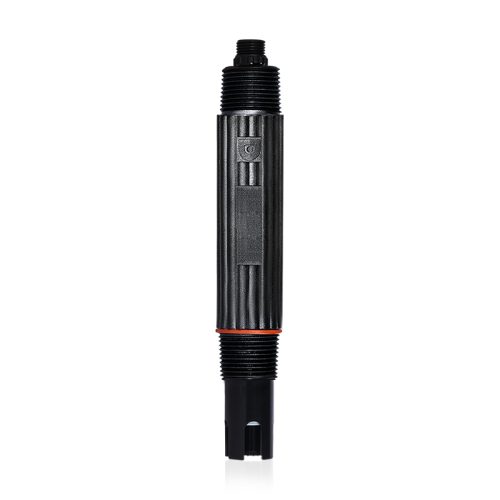
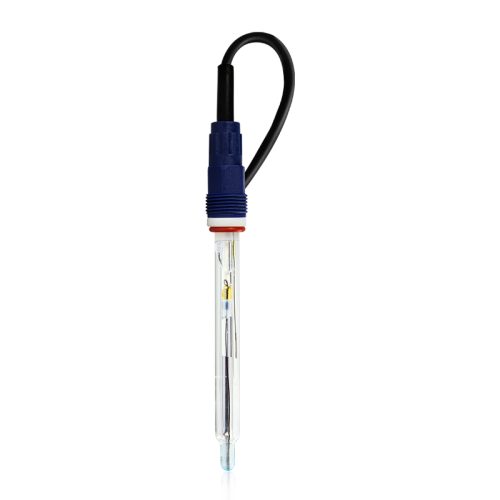
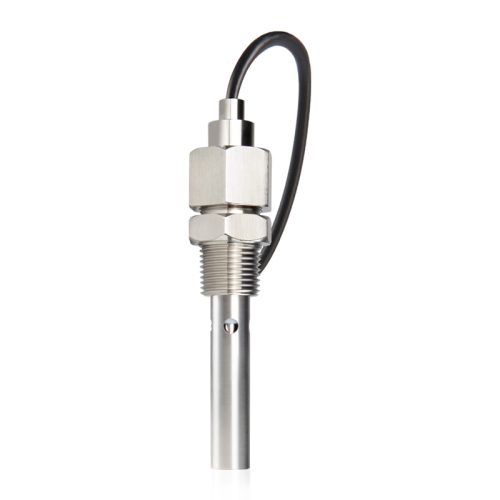
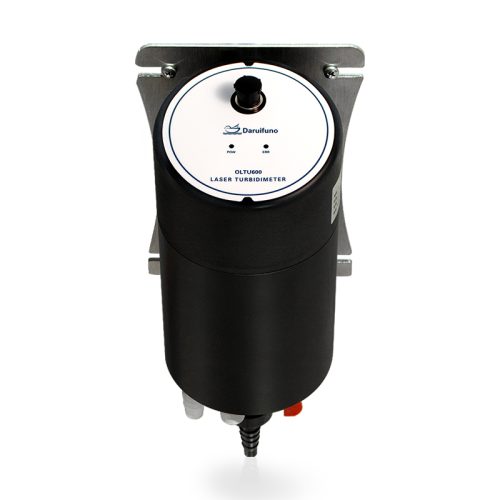
| Supported pH Range | 0-14 |
| Accuracy | ±0.02 pH/±1 mV ORP |
| Temperature Range | 0-80°C |
| Output Options | 4-20mA / RS485 MODBUS / Relay |
| Installation Methods | Subnersible / Flow Cell / Pipeline |
| Turbidity Range | 0-4000 NTU |
| Dissolved Oxygen | 0-20mg/L(optical) |


Please contact us immediately to speak with our experts and receive a discounted quote.
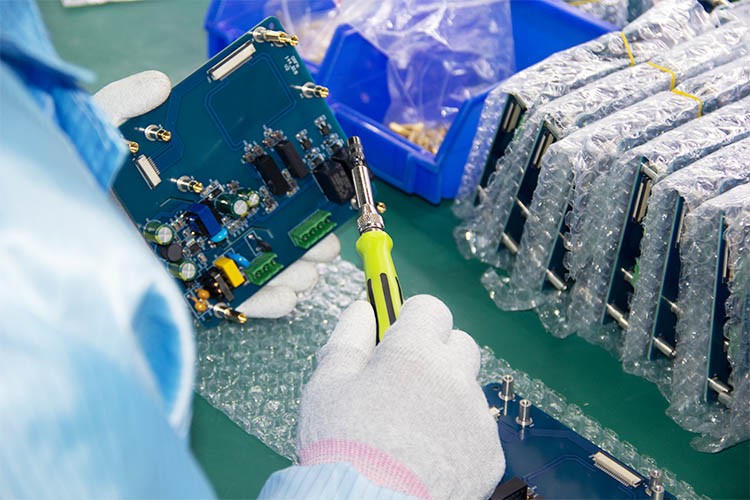




Major semiconductor assembly and test facility in Malaysia, November 2022. Fluctuating resistivity levels in the final rinse stage cause intermittent wafer surface defects and reduced yield rates.
Deployment of ASCK-K0.01 high-precision sensors with non-linear temperature compensation to monitor the polished loop, ensuring stable 18.2 MΩ/cm output.

Memory chip fabrication plants in Taiwan face strict regulatory non-compliance risks and volatile chemical costs due to erratic hydrofluoric acid concentrations within their primary etching effluent streams. Managing these highly aggressive wastewater channels is constantly disrupted by rapid sensor degradation and measuring lag from heavy fluoride ion attacks, leading to immediate tracking drift and a failure in automated neutralizing agent dosing.
Integrating the hydrofluoric acid-resistant ASP122E-HF pH glass sensor paired with the high-precision APX2 controller establishes a specialized anti-etching tracking defense directly within these aggressive streams. This heavy-duty configuration repels intense fluoride ion attack and glass membrane degradation, delivering continuous, drift-free metrics to secure automated lime or caustic neutralization dosing.

An electroplating facility specialized in heavy metal surface finishing. Incomplete chemical reactions (cyanide destruction) caused by inaccurate ORP readings and harsh process temperatures.
Installation of APX2-C3 controllers supporting 2-point ORP calibration and withstanding process temperatures up to 55°C.
Contact our technical team for detailed water quality analysis, custom solution support, and a fast project quote.

English

French

German

Portuguese

Spanish