
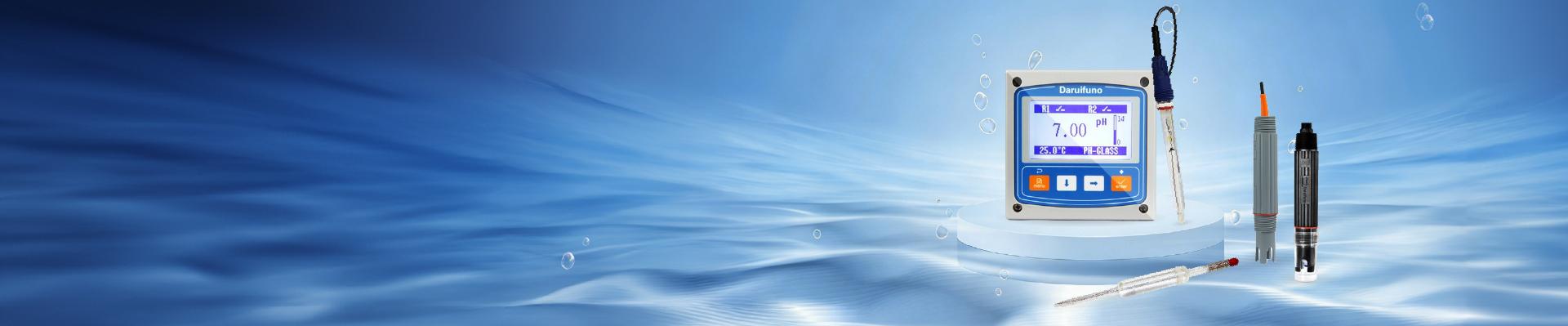
Multiparameter Controller
A versatile digital hub for real-time monitoring of 20 water quality parameters with seamless sensor integration and stable process control.
A versatile digital hub for real-time monitoring of 20 water quality parameters with seamless sensor integration and stable process control.
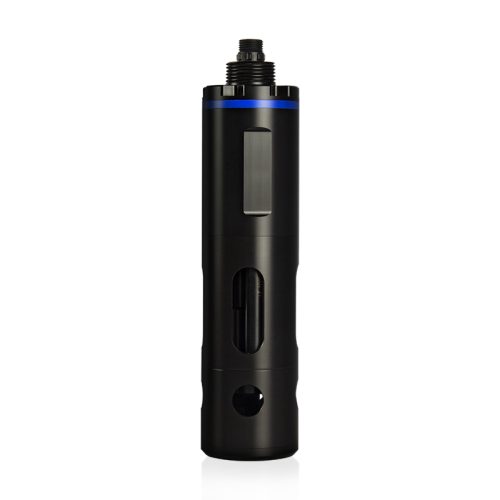
0~1000 mg/L
2-5 weeks
1
Contact Us
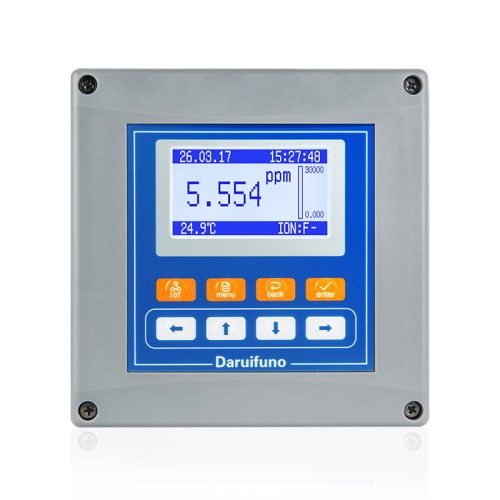
14 Types of Ions
2-5 weeks
1
Contact Us
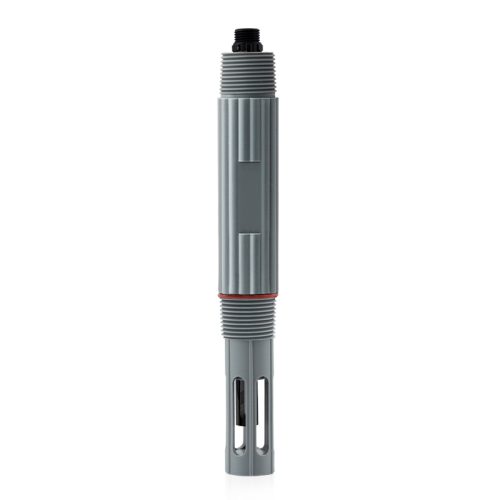
0~200mS/cm
2-5 weeks
1
Contact Us

0.05~5.00/10.00/20.00mg/L; 0.005~0.500/2.000mg/L; 0.5~100.0/200.0mg/L
2-5 weeks
1
Contact Us
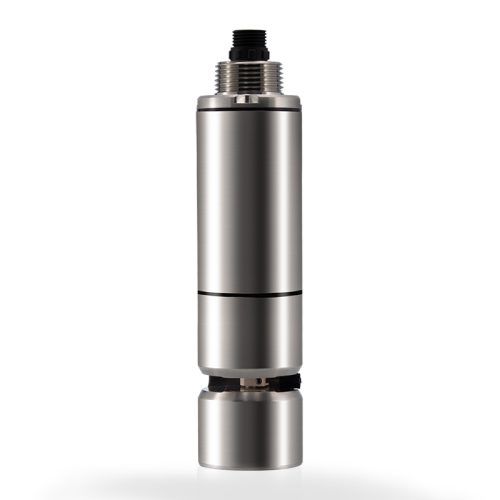
COD:0.75-500mg/L TOC:0.3-200mg/L
2-5 weeks
1
Contact Us
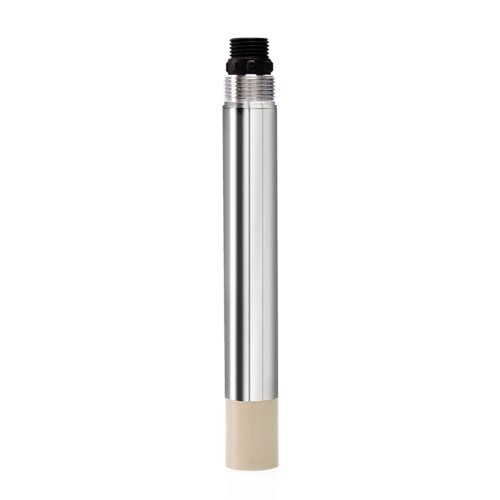
0~200mS/cm
2-5 weeks
1
Contact Us
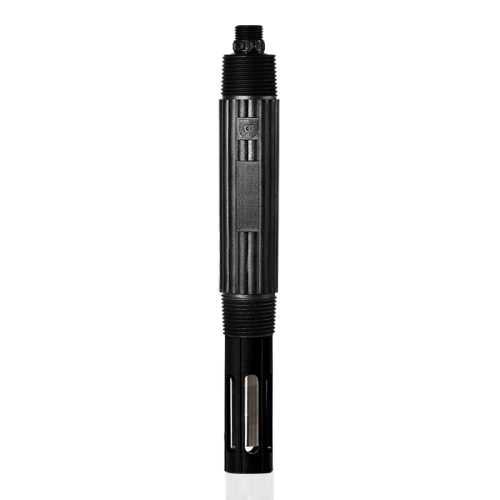
0.00~20.00mg/L
2-5 weeks
1
Contact Us
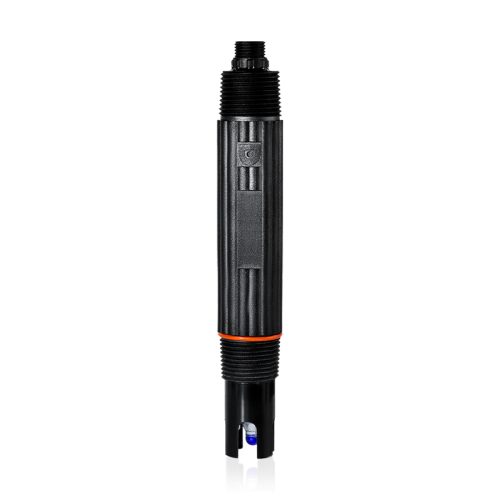
pH 0 - 14
2-5 weeks
1
Contact Us
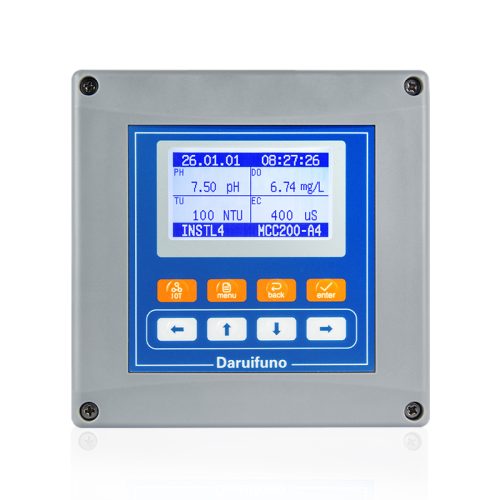
pH、ORP、Cond、DO、Tur、TSS、COD、NH4-N、OIW、Cl、Disinf、Ion、Chl、BGA、NO3、CDOM、DFS、Colorim.
2-5 weeks
1
Contact Us
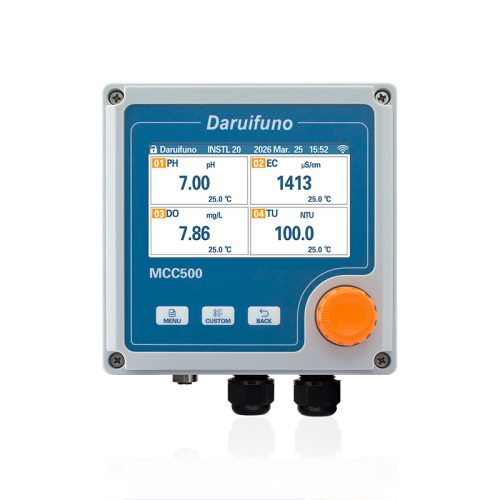
pH、ORP、Cond、DO、Tur、TSS、COD、NH4-N、OIW、Cl、Disinf、Ion、Chl、BGA、NO3、CDOM、DFS、Colorim.
2-5 weeks
1
Contact Us


Download our comprehensive technical datasheet or request a customized solution and quote now.
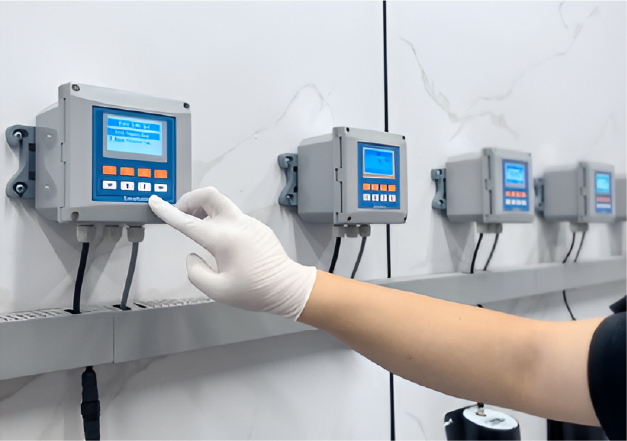
Consolidate up to 20 sensor inputs into a single intelligence hub to dramatically reduce installation footprint and per-channel integration costs.
Robust digital signal isolation technology eliminates cross-channel interference, ensuring independent and stable data transmission for every connected parameter.
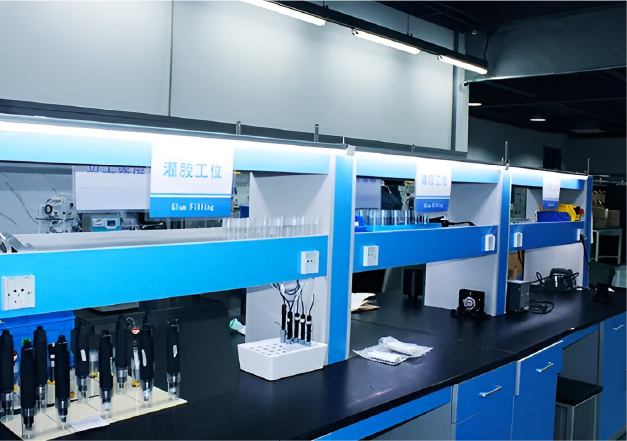
Plug-and-Play Integration Experience seamless setup with our universal Modbus RTU interface that supports up to 20 channels. It simplifies complex wiring, allowing you to connect various sensors and start monitoring in minutes.
Intuitive Data Management Manage your water quality with ease through real-time trend charts and automatic data logging. The user-friendly interface ensures reliable process control and quick decision-making without the need for extensive training.


In Brazil, a major mining facility struggled with inconsistent chemical dosing due to the inability to sync turbidity, pH, and conductivity data across their sprawling tailing ponds.
By integrating DPH790 pH, DEC790 conductivity, and OPTU790 turbidity digital sensors into a single MCC500 controller, the facility achieves total data synchronization for stable and automated chemical dosing.
This integrated solution reduced chemical reagent waste by 25% and eliminated costly manual sampling, delivering full ROI within the first three months of operation.

Chile's massive desalination plants struggle with high maintenance costs and operational downtime because distributed single-channel controllers make it impossible to monitor multiple RO membrane stages in a unified system.
By connecting multiple DEC890 high-range conductivity sensors, DPH790 digital pH probes, and pressure transmitters to a single 20-channel MCC500 controller, the facility establishes a unified digital network for monitoring multiple RO stages simultaneously.
By optimizing filtration cycles and reducing membrane fouling, this integrated solution increased daily freshwater yield by 15% and cut chemical cleaning costs by 20%, significantly boosting the facility's overall profit margin.

A leading chemical manufacturing plant required precise pH control for their high-acid effluent neutralization process in Spain.
Daruifuno ASP300 series composite pH sensors paired with APX2-C1 digital controllers.
Our solid-electrolyte sensors eliminated junction clogging caused by chemical precipitates, reducing maintenance frequency by 60% and ensuring total compliance with environmental discharge standards.
The multi-parameter controller operates by utilizing an integrated digital processing hub that simultaneously aggregates RS485 Modbus-RTU signals from diverse electrochemical and optical sensors. The system executes real-time data synchronization by converting various physical inputs—such as ion activity for pH, electrolytic resistance for conductivity, and infrared light scattering for turbidity—into standardized digital values. High-speed microprocessors within the unit handle adaptive temperature compensation across all channels to ensure measurement stability in fluctuating industrial environments. This centralized architecture allows for the unified management of complex sensor arrays through a single bus interface, eliminating signal interference and data latency.
The multi-parameter controller advances environmental sustainability by integrating low-power RS485 digital sensors that minimize the ecological footprint of continuous water quality monitoring. Through precise Modbus-RTU data transmission, the system enables rigorous compliance with global environmental discharge standards by preventing over-chemicalization and untreated wastewater release. The centralized MCC500 architecture reduces electronic waste and hardware redundancy, supporting a circular economy through durable, field-replaceable modular components. By synchronizing real-time analytics for pH, conductivity, and turbidity, the controller ensures optimal resource conservation and the protection of local aquatic ecosystems from industrial contamination.
Ready to scale your operational profitability? Contact our experts today for a customized multi-parameter integration quote.

English

French

German

Portuguese

Spanish