Pharma & Medical
Ensure strict USP/EP compliance with high-precision water quality monitoring for sterile pharmaceutical production.
Ensure strict USP/EP compliance with high-precision water quality monitoring for sterile pharmaceutical production.
Achieving strict USP/EP compliance in pharmaceutical manufacturing requires real-time monitoring of ultrapure water systems to ensure the highest levels of conductivity and TOC purity. Advanced analytical solutions are essential for safeguarding Water-for-Injection (WFI) quality, preventing microbial contamination, and maintaining the integrity of sterile production environments.

Industrial wastewater treatment typically involves equalization, pH adjustment, coagulation, biological processing, clarification, and final discharge. Each stage requires continuous online monitoring to control dosing, stabilize process performance, and ensure regulatory compliance.
| Category | Details | Benefits of Online Monitoring | ||||||||||||||||||
| Key Water Quality Parameters | Conductivity & TOC: Critical indicators for Purified Water (PW) and WFI systems. | Ensures 24/7 compliance with USP <645> and <643> standards while preventing batch rejection. | ||||||||||||||||||
| Residual Ozone: Monitors concentrations after loop sanitization cycles. | Validates complete sterilization and protects downstream processes from oxidative degradation. | |||||||||||||||||||
| Bioburden Proxy (ORP/DO): Tracks oxidative-reductive potential in distribution loops. | Provides early warning of potential biofilm formation to prevent costly microbial contamination. | |||||||||||||||||||
| How Online Sensors Improve Operations | Automated CIP/SIP Monitoring: High-endurance sensors for thermal and chemical sterilization. | Minimizes downtime by ensuring rapid recovery of water quality parameters after cleaning cycles. | ||||||||||||||||||
| Digital Audit Trails: Data integration with 21 CFR Part 11 compliant systems. | Eliminates manual recording errors and ensures "Data Integrity" for regulatory health audits. | |||||||||||||||||||
| Predictive Maintenance: Real-time health diagnostics for high-purity electrodes. | Prevents unscheduled production halts by alerting technicians before sensor failure occurs. | |||||||||||||||||||
| Typical Application Scenarios | WFI Distribution: Continuous loop monitoring for injectable-grade water. | Safeguards patient safety by maintaining absolute ionic purity in recirculating high-purity water. | ||||||||||||||||||
| Fermentation Control: Precise pH and DO monitoring in bioreactors. | Maximizes product yield and batch consistency by maintaining optimal physiological environments. | |||||||||||||||||||
| Pre-treatment RO: Monitoring feed water turbidity and free chlorine. | Extends expensive RO membrane lifespan by preventing fouling and oxidative breakthrough. | |||||||||||||||||||


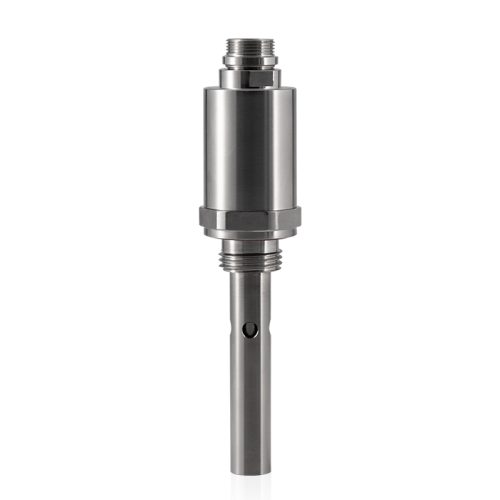
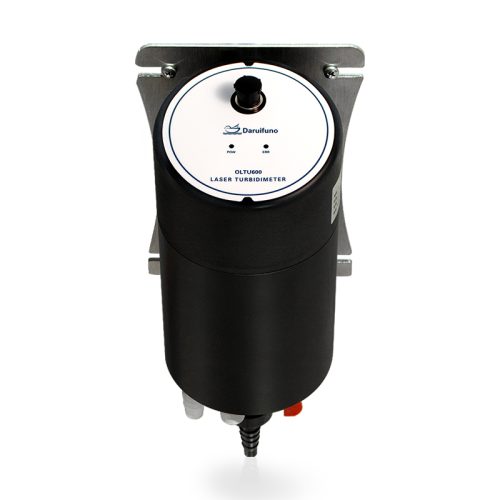
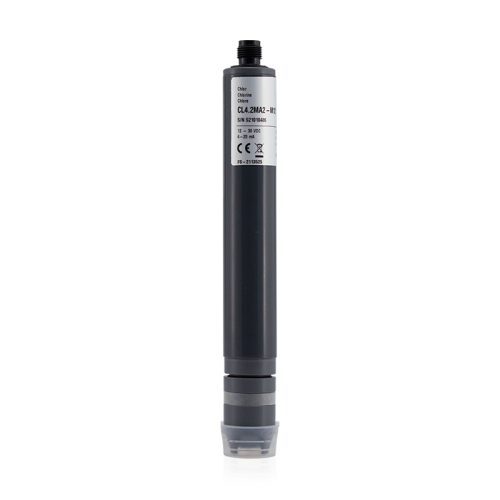
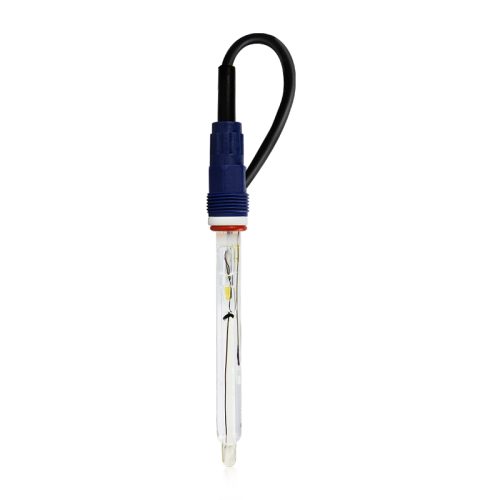
| Supported pH Range | 0-14 |
| Accuracy | ±0.02 pH/±1 mV ORP |
| Temperature Range | 0-80°C |
| Output Options | 4-20mA / RS485 MODBUS / Relay |
| Installation Methods | Subnersible / Flow Cell / Pipeline |
| Turbidity Range | 0-4000 NTU |
| Dissolved Oxygen | 0-20mg/L(optical) |


Please contact us immediately to speak with our experts and receive a discounted quote.



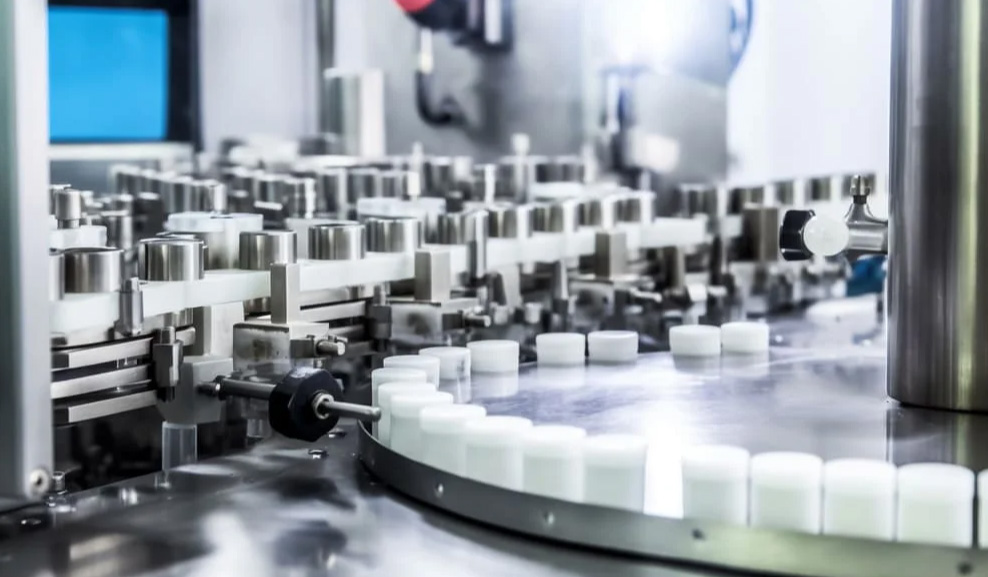
A leading pharmaceutical plant in Switzerland encountered trace ionic leakage in its Water-for-Injection (WFI) loop in March 2022. The existing monitoring system failed to detect subtle conductivity shifts, risking non-compliance with USP <645> standards and potential batch contamination.
The Integrated AEC Multi-Parameter Controller with the ASCK High-Precision Digital Conductivity Sensor (0.01μS/cm resolution) ensures instantaneous detection of trace ionic contaminants via advanced temperature compensation algorithms.
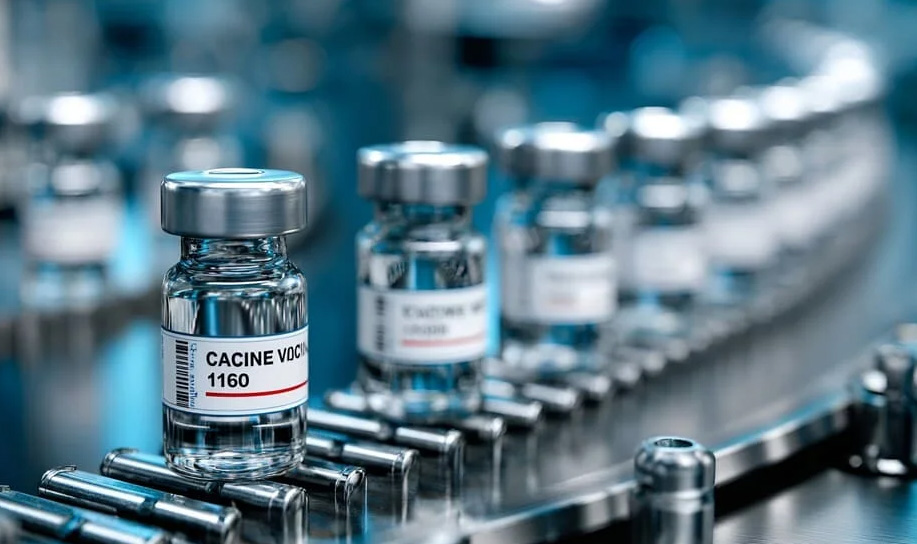
The vaccine production site in South Korea faced significant yield losses during large-scale fermentation processes in September 2023. Sensor signal drift in high-temperature SIP (Sterilization-in-Place) cycles caused inaccurate pH control, destabilizing delicate cell cultures.
The Industrial ASP pH/ORP Sensor with a high-temperature glass membrane and CDOM351 Fluorescence Sensor monitor fermentation stability and detect trace organic leaks during cleaning validation.
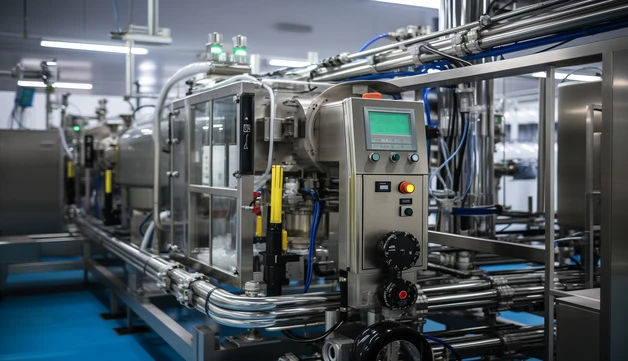
Pharmaceutical manufacturing centers in Switzerland confront compromised drug ingredient purity and low synthesis efficiency due to severe chemical attacks on pH-sensing elements within complex multi-step organic synthesis loops. Managing these highly reactive mixture channels is constantly disrupted by rapid reference junction poisoning and glass membrane erosion from aggressive chemical solvents and high-temperature CIP flushes, leading to catastrophic measurement drift and compromised batch consistency.
Integrating the salt-free ASP126E pH glass sensor paired with the high-precision APX2 controller establishes a specialized impenetrable defense directly within these reactive synthesis loops. This high-temperature configuration eliminates reference junction poisoning and repels aggressive chemical solvents, delivering continuous, drift-free metrics to secure automated batch neutralization.
Find expert answers to common technical queries or contact our specialists now for a customized solution and a competitive quote.

English

French

German

Portuguese

Spanish