
Aquaculture
Avoid risks, maintain optimal water quality, and make aquaculture easy and simple, giving you peace of mind.
Avoid risks, maintain optimal water quality, and make aquaculture easy and simple, giving you peace of mind.
Effective aquaculture biosecurity depends on the real-time monitoring of Dissolved Oxygen (DO) and Total Ammonia Nitrogen (TAN) to mitigate physiological stress and prevent mass mortality. Integrating multi-parameter digital sensors ensures stable water quality, optimizing growth conditions and operational security for high-density Recirculating Aquaculture Systems (RAS).

Industrial wastewater treatment typically involves equalization, pH adjustment, coagulation, biological processing, clarification, and final discharge. Each stage requires continuous online monitoring to control dosing, stabilize process performance, and ensure regulatory compliance.
| Category | Details | Benefits of Online Monitoring | ||||||||||||||||||
| Key Water Quality Parameters | Temperature: Influences metabolism and growth rate | Continuous monitoring enables timely adjustment to maintain optimal growth conditions and reduce stress-related diseases. | ||||||||||||||||||
| Dissolved Oxygen (DO): Essential for the respiration of fish and shrimp | Prevents hypoxia, reduces mortality risk, and supports high-density farming. | |||||||||||||||||||
| pH: Affects physiological functions and ammonia toxicity | Maintains a stable aquatic environment and reduces stress and toxicity risks. | |||||||||||||||||||
| Ammonia (NH₃/NH₄⁺): Toxic waste from feed and excretion | Early warning of toxic buildup, protecting stock health. | |||||||||||||||||||
| Nitrite (NO₂⁻): Interferes with oxygen transport in blood | Helps prevent “brown blood disease” and improves the survival rate. | |||||||||||||||||||
| Salinity: Critical for osmotic balance (especially in shrimp/marine species) | Ensures optimal species-specific environmental stability. | |||||||||||||||||||
| ORP: Indicates oxidation-reduction condition & water hygiene | Supports biosecurity management and pathogen control. | |||||||||||||||||||
| How Online Sensors Improve Operations | Real-time Monitoring: Continuous data tracking of critical parameters | Enables rapid response to sudden changes, reducing mass mortality events. | ||||||||||||||||||
| Automation Integration: Connects with aerators, feeders, and control systems (4–20 mA, RS485, Modbus) | Improves operational efficiency and reduces human error. | |||||||||||||||||||
| Early Warning System: Alarm notifications for abnormal values | Minimizes production losses through proactive management. | |||||||||||||||||||
| Data Logging & Analysis: Historical trend analysis | Supports decision-making for feeding strategy and water exchange management. | |||||||||||||||||||
| Labor Reduction: Reduces manual sampling frequency | Saves labor costs and improves operational consistency. | |||||||||||||||||||
| Typical Application Scenarios | Pond Aquaculture: Fish and shrimp-farming ponds | Maintains a stable water environment and improves feed conversion ratio (FCR). | ||||||||||||||||||
| Recirculating Aquaculture Systems (RAS): Intensive indoor farming | Ensures strict water quality control for high-density production. | |||||||||||||||||||
| Offshore Cage Farming: Marine net cages | Monitors environmental fluctuations and enhances risk control. | |||||||||||||||||||
| Hatcheries: Larvae and juvenile production | Provides precise environmental control for sensitive early-life stages. | |||||||||||||||||||


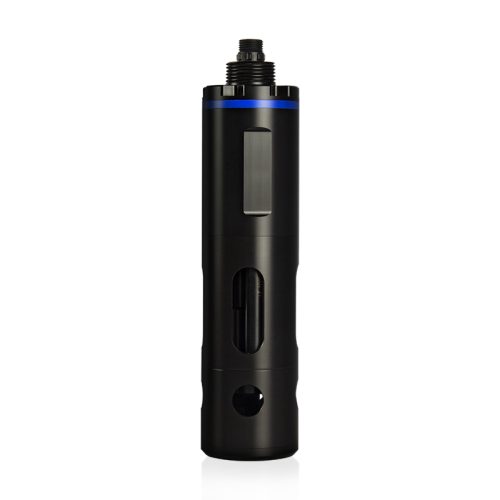
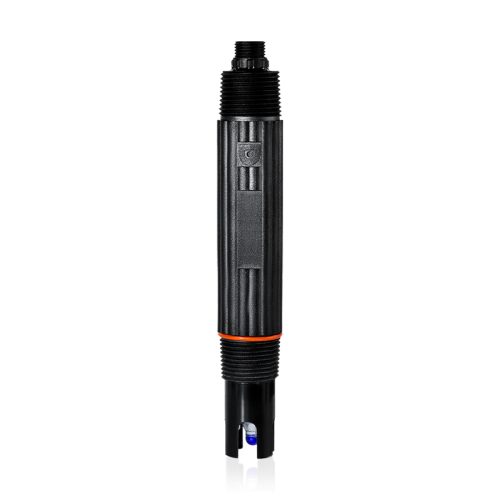
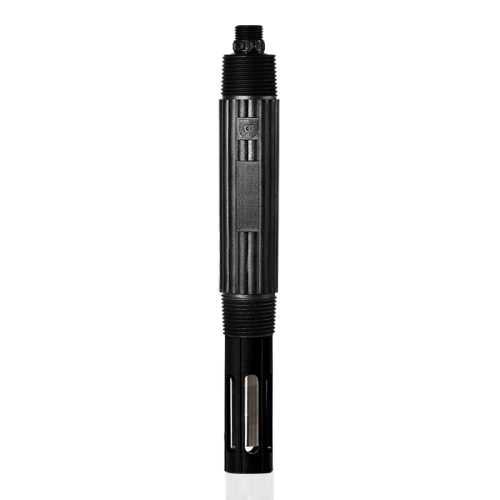
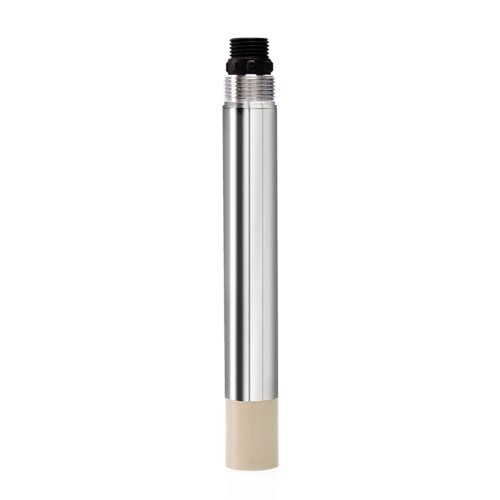
| Supported pH Range | 0-14 |
| Accuracy | ±0.02 pH/±1 mV ORP |
| Temperature Range | 0-80°C |
| Output Options | 4-20mA / RS485 MODBUS / Relay |
| Installation Methods | Subnersible / Flow Cell / Pipeline |
| Turbidity Range | 0-4000 NTU |
| Dissolved Oxygen | 0-20mg/L(optical) |


Please contact us immediately and talk to one of our experts.



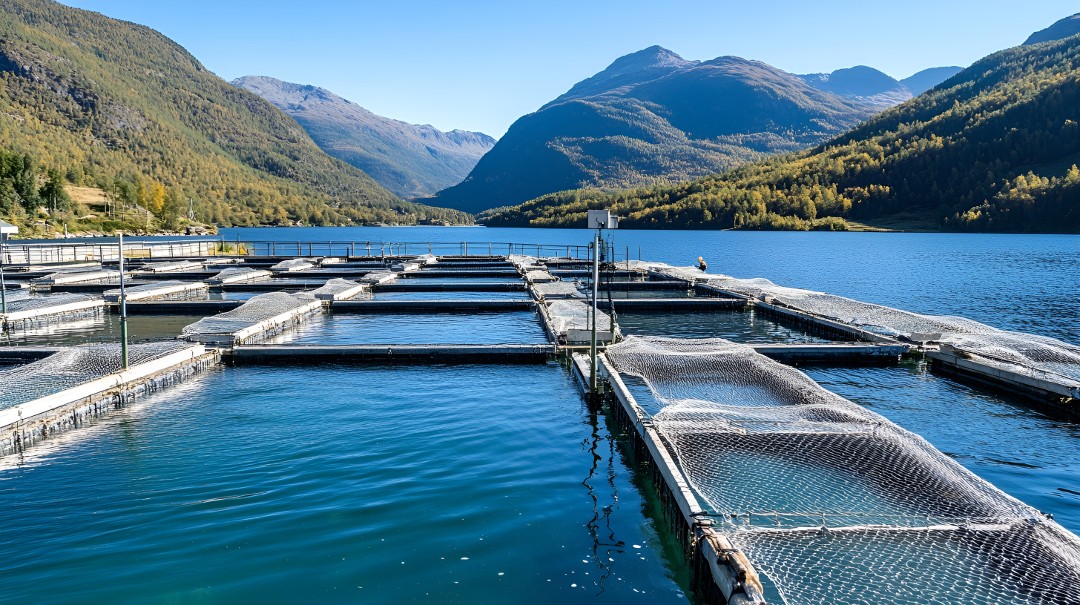
In August 2022, offshore salmon pens in Norway experienced sudden mass mortality due to undetected hypoxic zones. Rapid temperature spikes depleted dissolved oxygen levels, causing devastating stock losses within hours.
Our MD-500 Optical Dissolved Oxygen Sensor and ADO-2 Controller enable real-time hypoxia alerts with anti-fouling technology to maintain accurate readings in harsh marine environments.
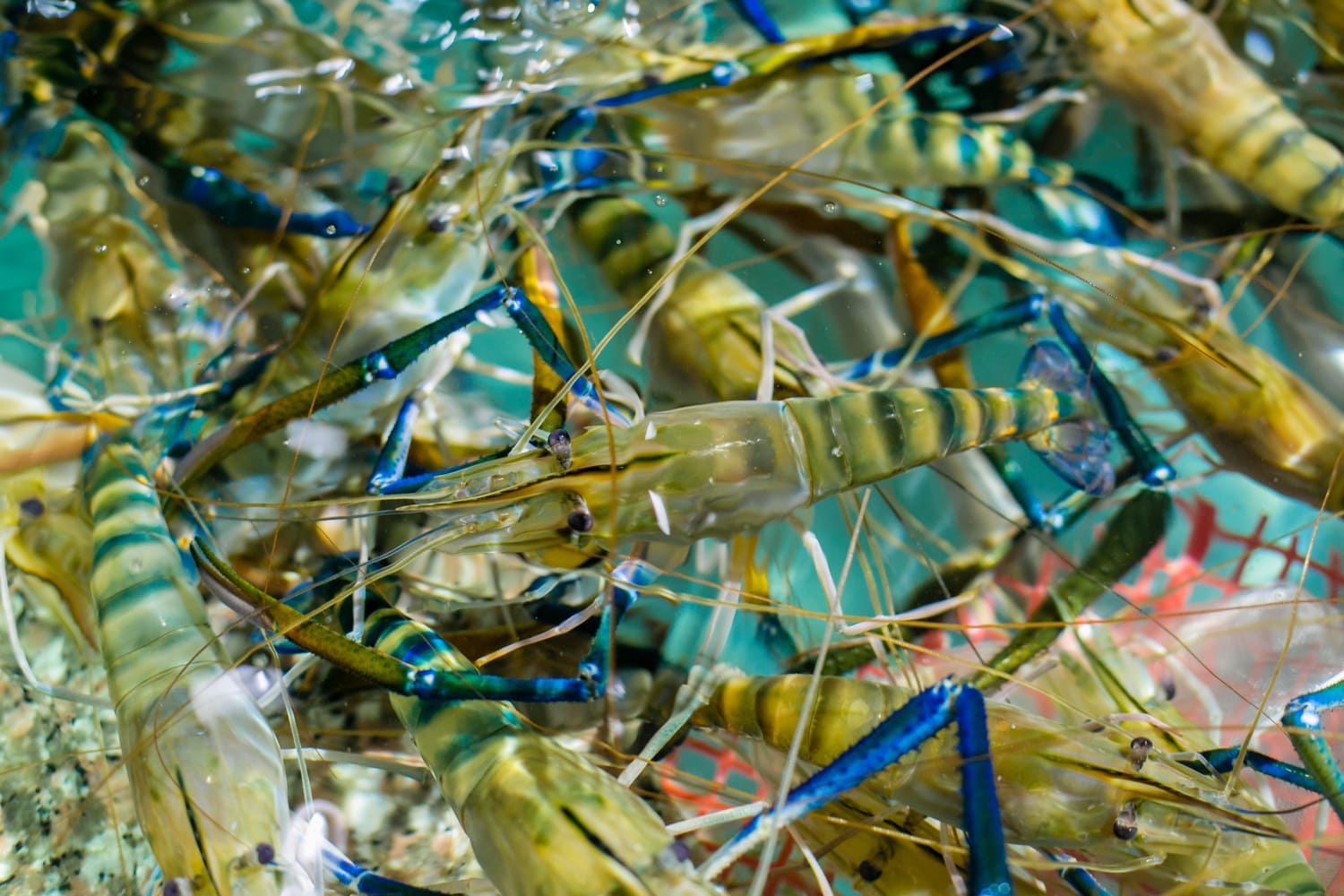
In March 2024, an industrial shrimp RAS facility in Vietnam struggled with toxic ammonia spikes and erratic pH fluctuations. Inaccurate manual testing failed to trigger timely water exchanges, leading to severe gill damage and stunted growth.
The DPH-series Digital pH and NH-351 Ammonia Sensors combined with the LC-200 Smart Controller provide automated water exchange triggers to neutralize toxic spikes and stabilize the aquaculture environment.
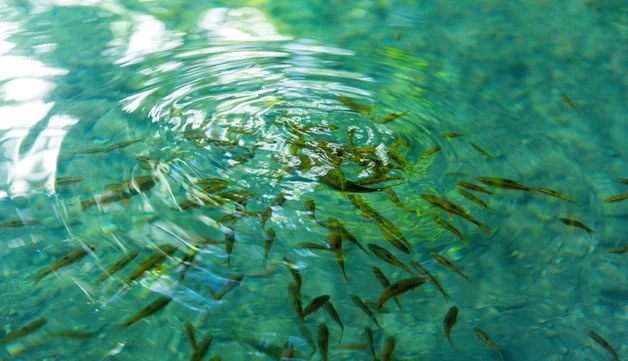
Intensive tilapia farming operations in Indonesia suffer from sudden, catastrophic mass mortality events due to undetected dissolved oxygen drops and critical ammonia toxicity spikes overnight. Managing these high-density feeding ponds is perpetually crippled by manual testing gaps, leaving fragile juvenile fish vulnerable to irreversible gill damage and rapid stress-induced disease outbreaks.
Deploying the multi-channel MCC500 controller integrates the OPD790 optical dissolved oxygen, NH351 ammonium, and DPH790 pH sensors into a centralized, real-time telemetry network across multiple hatchery ponds.
Secure your harvest and maximize profitability with our 24/7 automated water-quality monitoring solutions—contact us today for a risk-free consultation!

English

French

German

Portuguese

Spanish