
Food & Beverage
Ensure strict food safety compliance and optimized production efficiency with our professional online water quality monitoring solutions for the food and beverage industry.
Ensure strict food safety compliance and optimized production efficiency with our professional online water quality monitoring solutions for the food and beverage industry.
Food and beverage processing requires strict adherence to food safety standards and water quality regulations to prevent contamination and ensure consumer trust. Our advanced monitoring solutions optimize wastewater management and resource efficiency, helping facilities achieve sustainable production and full regulatory compliance.

Industrial wastewater treatment typically involves equalization, pH adjustment, coagulation, biological processing, clarification, and final discharge. Each stage requires continuous online monitoring to control dosing, stabilize process performance, and ensure regulatory compliance.
| Category | Details | Benefits of Online Monitoring | ||||||||||||||||||
| Key Water Quality Parameters | Residual Chlorine & ClO₂: Monitor disinfectant levels in the ingredient and rinse water. | Prevents microbial contamination and ensures products meet stringent food safety standards. | ||||||||||||||||||
| Conductivity (EC): Tracks concentration of cleaning agents during CIP (Clean-in-Place) cycles. | Drastically reduces water and chemical usage by precisely timing the switch between rinse and wash phases. | |||||||||||||||||||
| Turbidity/TSS: Detects suspended organic matter and potential solid carry-over in process water. | Protects filtration membranes and provides real-time validation of beverage clarity before packaging. | |||||||||||||||||||
| pH & Temperature: Controls enzymatic reactions and chemical stability in dairy or brewery processes. | Maintains consistent batch flavor profiles and prevents overheating of sensitive heat exchangers. | |||||||||||||||||||
| How Online Sensors Improve Operations | Automated CIP Titration: Replaces manual titration with real-time feedback for caustic/acid dosing. | Eliminates human error, shortens cleaning downtime, and ensures zero chemical residue in production lines. | ||||||||||||||||||
| High-Load COD/BOD Tracking: Monitors spikes in organic loading from ingredient spills or wash-downs. | Protects biological treatment systems from shock loads and prevents expensive environmental surcharges. | |||||||||||||||||||
| Leakage Detection (Product Loss): Instant alerts for unexpected products (e.g., milk/juice) entering the drain. | Minimizes product shrinkage (yield loss) and identifies equipment failures before major losses occur. | |||||||||||||||||||
| Compliance Data Logging: Automated, tamper-proof records for HACCP and environmental audits. | Simplifies regulatory reporting and provides a digital paper trail for food safety transparency. | |||||||||||||||||||
| Typical Application Scenarios | Ingredient Water Pre-treatment: Purification of intake water for beverages and food processing. | Guarantees 24/7 consistency in the primary raw material—water—regardless of source fluctuations. | ||||||||||||||||||
| CIP Recovery Systems: Optimization of multi-stage tank cleaning and chemical recovery. | Significantly lowers operational expenses by recycling mildly contaminated rinse water for the initial flush. | |||||||||||||||||||
| Process Effluent Treatment: High-organic wastewater neutralization and nutrient removal. | Ensures 24/7 discharge compliance with local standards for BOD, Nitrogen, and Phosphorus. | |||||||||||||||||||


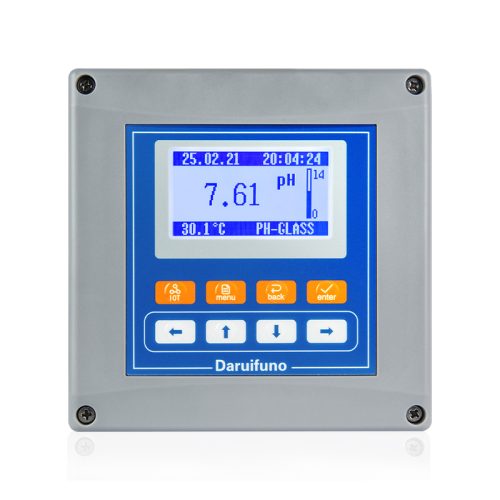
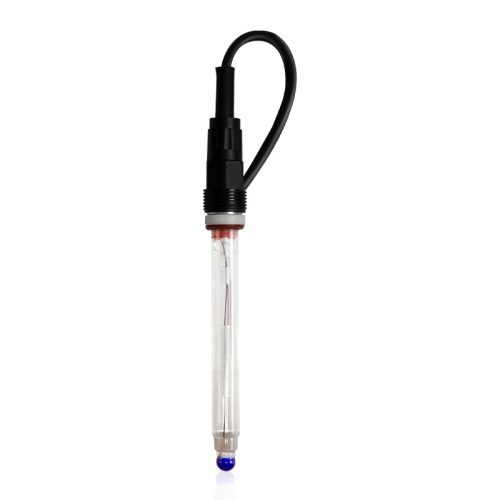
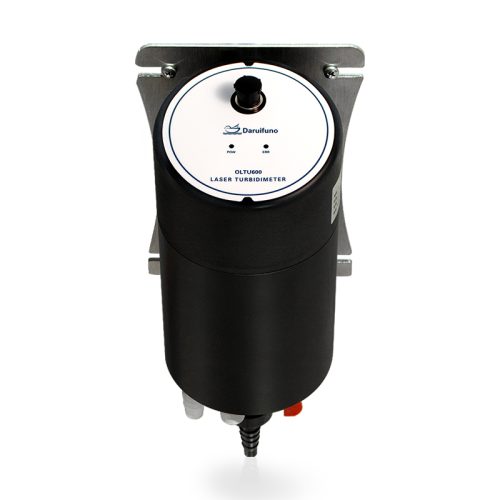
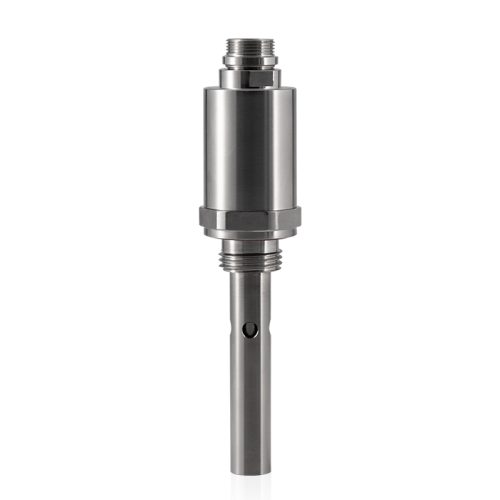
| Supported pH Range | 0-14 |
| Accuracy | ±0.02 pH/±1 mV ORP |
| Temperature Range | 0-80°C |
| Output Options | 4-20mA / RS485 MODBUS / Relay |
| Installation Methods | Subnersible / Flow Cell / Pipeline |
| Turbidity Range | 0-4000 NTU |
| Dissolved Oxygen | 0-20mg/L(optical) |


Please contact us immediately to speak with our experts and receive a discounted quote.
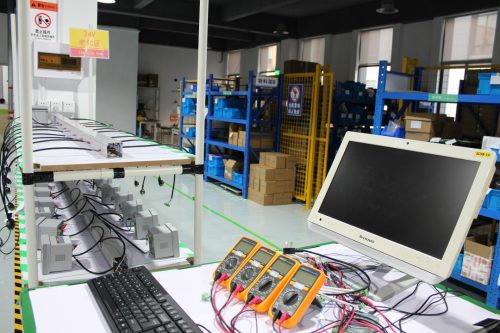



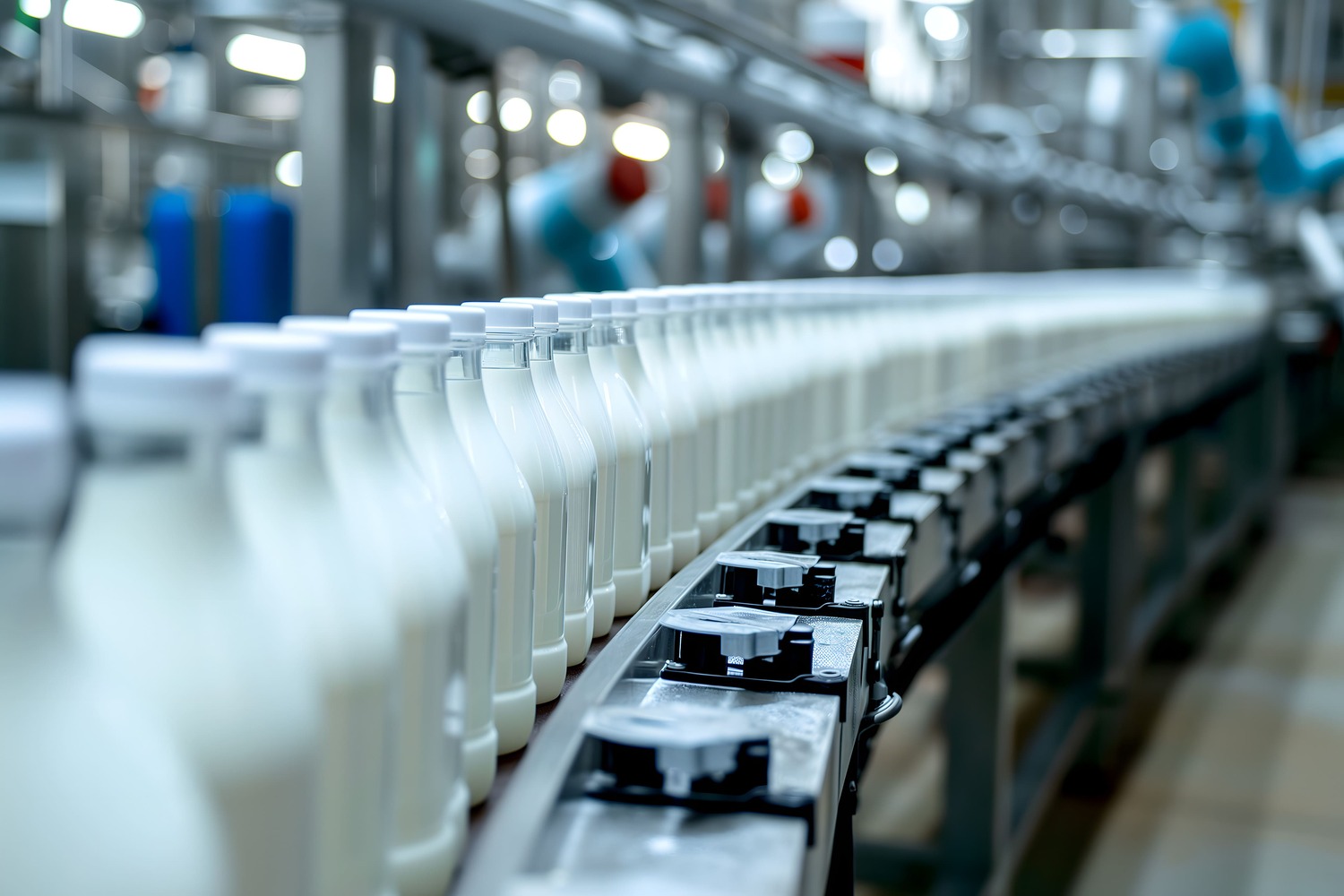
Dairy processing facility in New Zealand faced critical challenges in May 2023 with fluctuating organic loads in process effluent. Inconsistent monitoring of Ammonia Nitrogen and Total Phosphorus led to environmental compliance risks and potential municipal fines.
Our standalone CZT series Total Phosphorus analyzers and NH series Ammonia Nitrogen sensors paired with APX2-C3 controllers, utilize automated day/week calibration to ensure consistent accuracy under fluctuating organic loads.
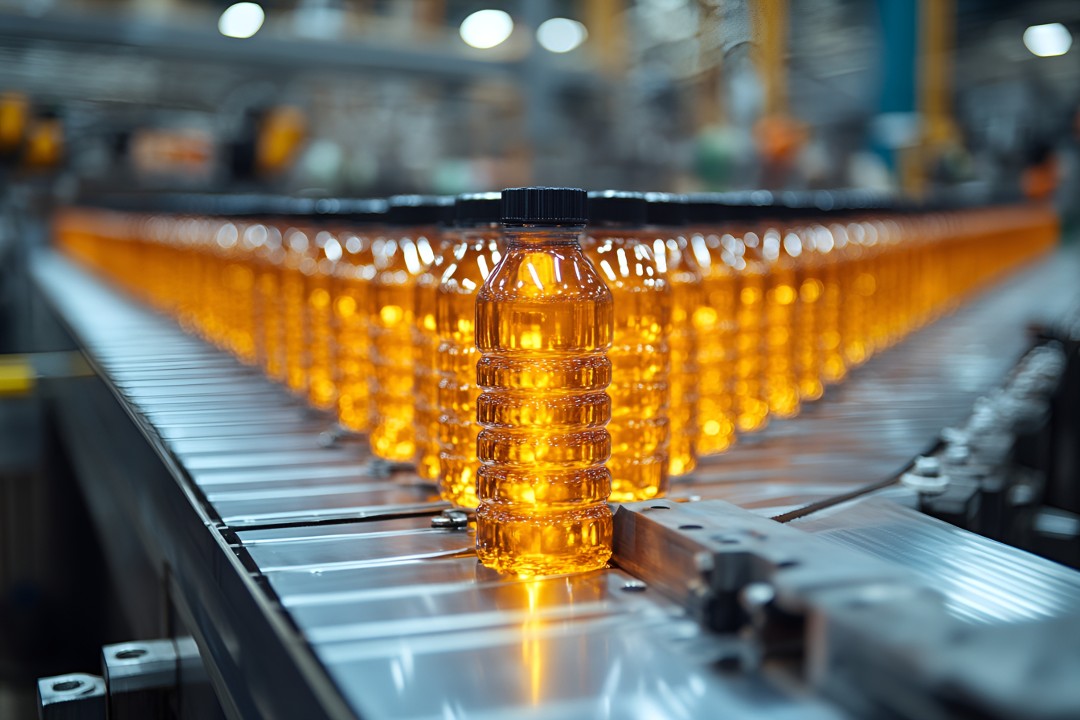
Soft drink bottling plant in Thailand reported frequent sensor failures during July 2024 due to harsh CIP (Clean-in-Place) sterilization cycles. Residual metallic ions and unstable pH levels in the rinse water threatened both product consistency and wastewater discharge safety.
Our APX-2 series controllers, paired with industrial-grade metallic ion sensors (copper/zinc) and DPH-890 pH sensors, utilize self-cleaning technology to resist chemical corrosion and eliminate signal interference during harsh CIP cycles.
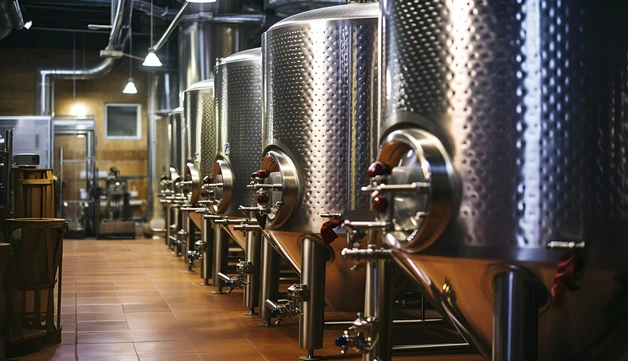
Large-scale brewing facilities in Belgium experience critical batch flavor inconsistencies and enzyme activity failures due to subtle, undetected pH shifts and dissolved oxygen tracking errors during the mashing and fermentation stages. Managing these complex production streams is perpetually challenged by rapid sensor drift caused by heavy organic fouling and high-temperature wort cleaning cycles, resulting in frequent calibration delays and excessive product dump waste.
Integrating the heavy-duty ASP227EHF refillable glass pH electrode and MD600 polarographic dissolved oxygen sensor with their dedicated APX2 and ADO controllers creates a resilient tracking loop capable of enduring high-temperature wort cleaning. This multi-instrument setup delivers continuous, drift-free water quality metrics directly through intense clean-in-place sterilization cycles.
Get expert answers to your water quality challenges and request a competitive wholesale quote for our professional monitoring systems today.

English

French

German

Portuguese

Spanish