Disinfectant Sensor & Controller
Continuous monitoring and control instruments for water and process applications
Continuous monitoring and control instruments for water and process applications
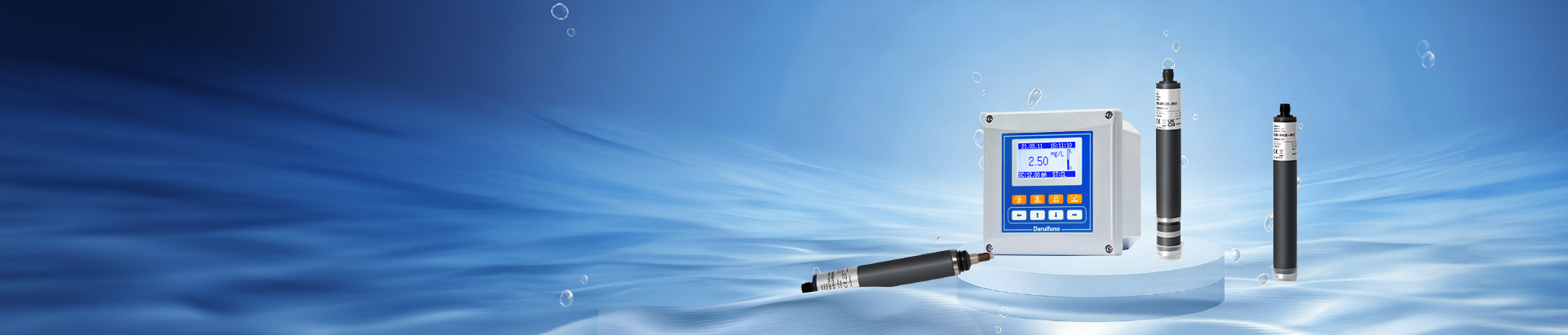
Provides monitoring for diverse disinfectants, including Chlorine Dioxide (0–20 mg/L), Ozone (0–10 mg/L), and Hydrogen Peroxide (0–2000 mg/L) to meet specific industrial dosing requirements.
Engineered with an electrolyte-filled membrane cap that resists interference from surfactants and scale, ensuring a stable resolution of 0.01 mg/L in complex cleaning-in-place (CIP).
Delivers consistent measurement reliability with an accuracy of ±1% F.S. and integrated temperature compensation, eliminating the data drift caused by process temperature fluctuations.
pH、ORP、Cond、DO、Tur、TSS、COD、NH4-N、OIW、Cl、Disinf、Ion、Chl、BGA、NO3、CDOM、DFS、Colorim.
2-5 weeks
1
Contact Us
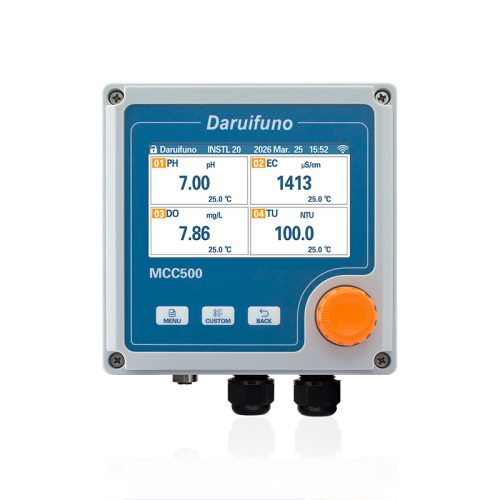
pH、ORP、Cond、DO、Tur、TSS、COD、NH4-N、OIW、Cl、Disinf、Ion、Chl、BGA、NO3、CDOM、DFS、Colorim.
2-5 weeks
1
Contact Us


Access technical data sheets or request a direct quote for your specific water treatment needs.
The robust membrane design withstands oil-rich wastewater and mechanical abrasion, ensuring stable data without frequent sensor cleaning.
Minimal polarization time allows for rapid deployment and maintains zero-point stability even during prolonged disinfectant absence.
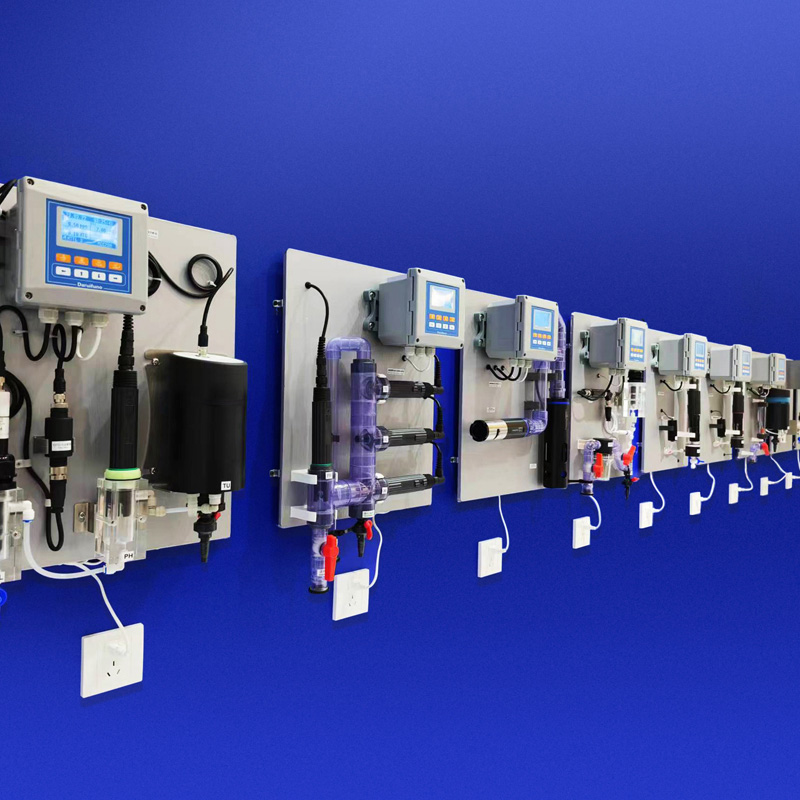
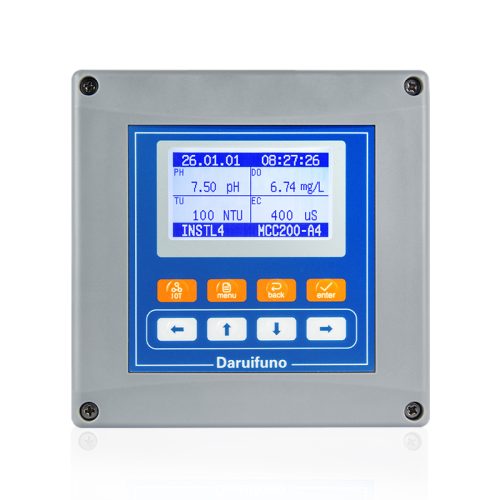
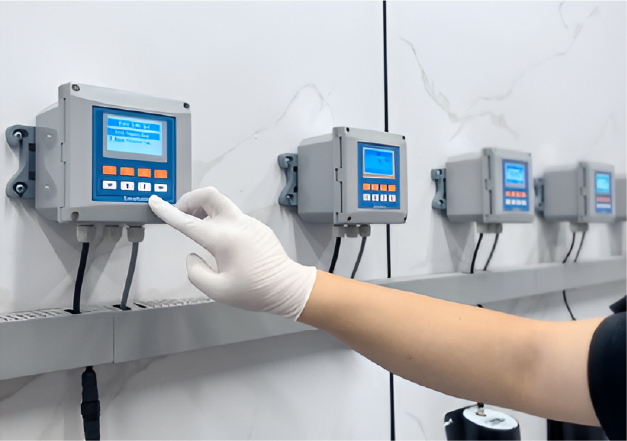
The DUC series features an ultra-compact 100x100mm form factor that supports both panel-mount and wall-mount configurations, significantly maximizing internal cabinet space and reducing installation overhead in high-density electrical enclosures.
Engineered for global deployment, the controller integrates a versatile power module that adapts to either 100~240V AC or 18~36V DC inputs, ensuring continuous system stability in remote monitoring sites with fluctuating voltage conditions.

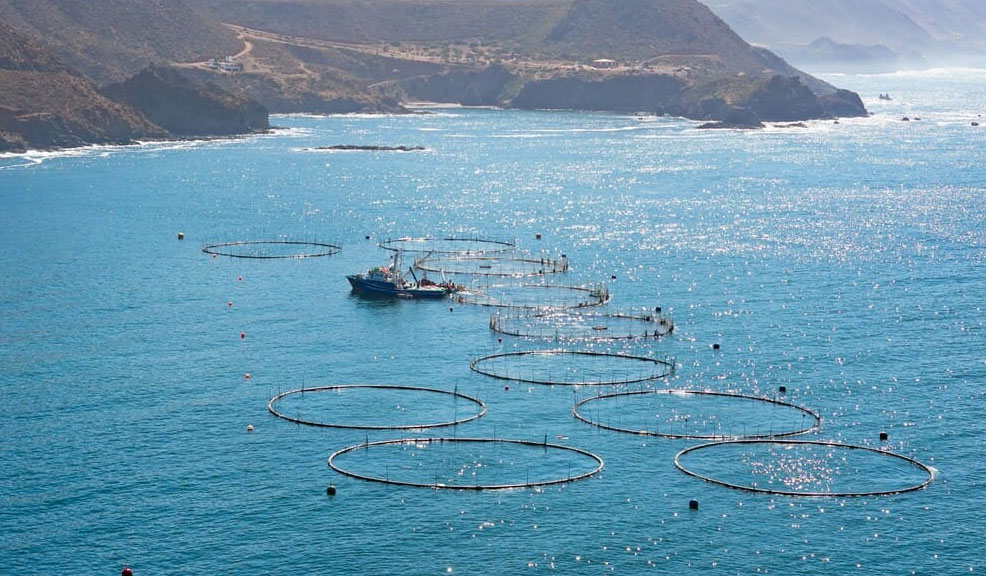
Leading Chilean salmon farms struggled with sensor drift and frequent failures in high-salinity seawater, requiring stable monitoring to prevent lethal overdosing.
Integrated ADS2 controllers with P10 and CD10 sensors to manage concurrent hydrogen peroxide and chlorine dioxide dosing in harsh saline conditions.
Precise dosing control slashed chemical waste by 25% while eliminating mass mortality risks, saving millions in annual biomass value.
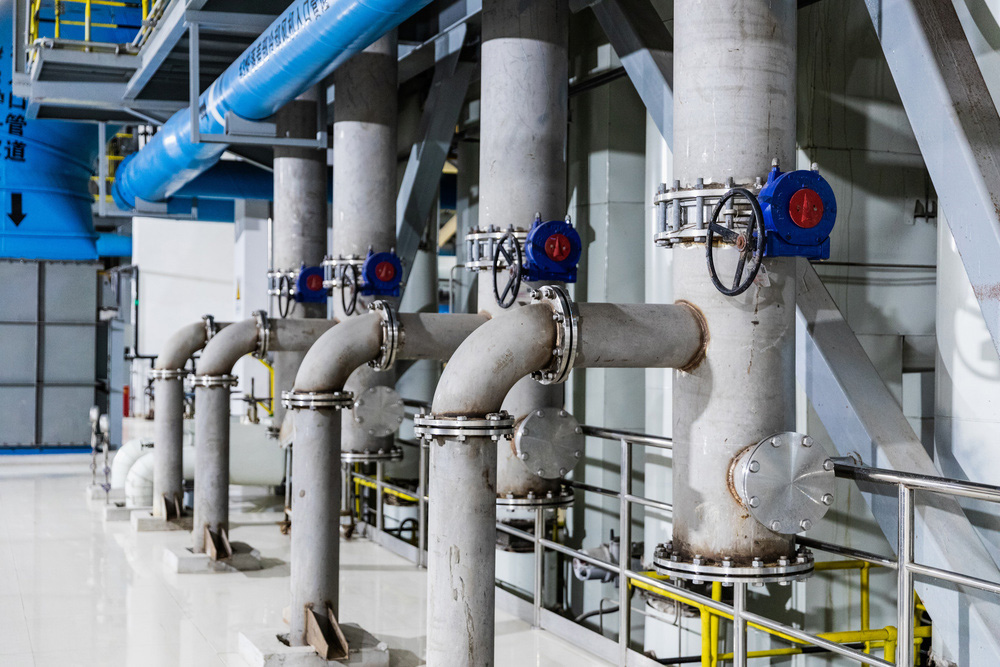
Municipal water providers struggled with unpredictable chlorine decay across aging pipelines, causing toxic overdosing at source points while failing to maintain mandatory residuals at distant taps.
Strategic deployment of multiple ADS2 stations equipped with either gold or platinum electrode chlorine sensors enables precise, real-time monitoring of disinfection dynamics across entire urban water networks.
Real-time automated tracking ensured 100% regulatory compliance while cutting manual sampling labor and maintenance costs by over 40%.

A leading chemical manufacturing plant required precise pH control for their high-acid effluent neutralization process in Spain.
Daruifuno ASP300 series composite pH sensors paired with APX2-C1 digital controllers.
Our solid-electrolyte sensors eliminated junction clogging caused by chemical precipitates, reducing maintenance frequency by 60% and ensuring total compliance with environmental discharge standards.
Our sensors employ advanced amperometric membrane technology to selectively permeate disinfectant molecules while effectively blocking ions and particles from interfering with the measurement. Inside the electrolyte-filled chamber, a precise electrochemical reaction converts the concentration into a stable, linear electrical signal. Integrated algorithms then apply real-time pH and temperature compensation to ensure consistent accuracy across varying water conditions and industrial environments.
Our monitoring solutions help you minimize the ecological impact of disinfectant residuals by ensuring precise dosing that prevents water-borne eco-toxicity. This proactive control supports your commitment to environmental sustainability by reducing chemical discharge and lowering the overall carbon footprint of your water treatment processes.
Still have questions? Get a tailored disinfection solution and a quick quote from our experts today.

English

French

German

Portuguese

Spanish