
Iron & Steel
Empowering steel manufacturers to meet zero-liquid discharge goals and strict environmental regulations with automated water analysis.
Empowering steel manufacturers to meet zero-liquid discharge goals and strict environmental regulations with automated water analysis.
Efficient cooling water management and advanced wastewater treatment are critical for optimizing thermal energy recovery and ensuring regulatory compliance in modern steel plants. Adopting automated water quality analysis allows manufacturers to minimize equipment corrosion, reduce operational costs, and transition toward sustainable, zero-liquid discharge steel production.

Industrial wastewater treatment typically involves equalization, pH adjustment, coagulation, biological processing, clarification, and final discharge. Each stage requires continuous online monitoring to control dosing, stabilize process performance, and ensure regulatory compliance.
| Category | Details | Benefits of Online Monitoring | |||||||||||||||||
| Key Water Quality Parameters | Conductivity (EC): Monitors mineral concentration in blast furnace cooling loops. | Prevents pipeline scaling and ensures optimal heat transfer efficiency to protect furnace integrity. | |||||||||||||||||
| pH & ORP: Critical for neutralizing acidic wastewater from cold rolling and pickling lines. | Automates precise chemical dosing, preventing acid-induced infrastructure corrosion and ensuring discharge compliance. | ||||||||||||||||||
| Dissolved Oxygen (DO): Essential for biological stages in coking wastewater treatment. | Optimizes aeration blower energy consumption while ensuring the breakdown of toxic phenols and cyanides. | ||||||||||||||||||
| Turbidity & TSS: Tracks suspended solids in sediment tanks and recycling clarifiers. | Provides real-time verification of filtration performance and optimizes backwash cycles for water reuse. | ||||||||||||||||||
| Oil-in-Water (OiW): Detects hydraulic oil or lubricant leaks in rolling mill cooling water. | Provides early warning of mechanical seal failure and prevents oil contamination in biological treatment plants. | ||||||||||||||||||
| How Online Sensors Improve Operations | Corrosion & Scale Inhibition: Real-time feedback loops for precise antiscalant dosing. | Extends the service life of expensive heat exchangers and reduces unplanned maintenance shutdowns. | |||||||||||||||||
| ZLD (Zero Liquid Discharge) Support: High-precision monitoring of brine concentration. | Optimizes the efficiency of evaporator systems and maximizes high-quality water recovery rates. | ||||||||||||||||||
| Automated Regulatory Reporting: Continuous digital logging of effluent discharge quality. | Ensures 24/7 compliance with environmental permits and provides an unalterable audit trail for regulators. | ||||||||||||||||||
| Typical Application Scenarios | Cooling Water Systems: Monitoring blowdown and makeup water cycles. | Significantly reduces freshwater consumption and optimizes the use of water treatment chemicals. | |||||||||||||||||
| Pickling Line Wastewater: Real-time analysis of spent acid neutralization. | Protects downstream treatment infrastructure and ensures heavy metal precipitation efficiency. | ||||||||||||||||||
| Coking Plant Effluent: Advanced monitoring of toxic organic pollutants. | Guarantees stable operation of biological reactors and prevents costly environmental fines. | ||||||||||||||||||


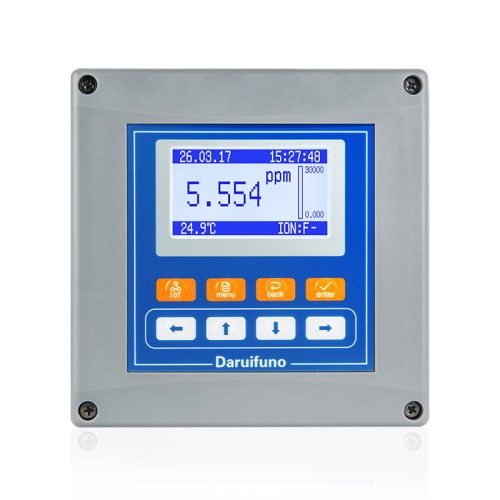
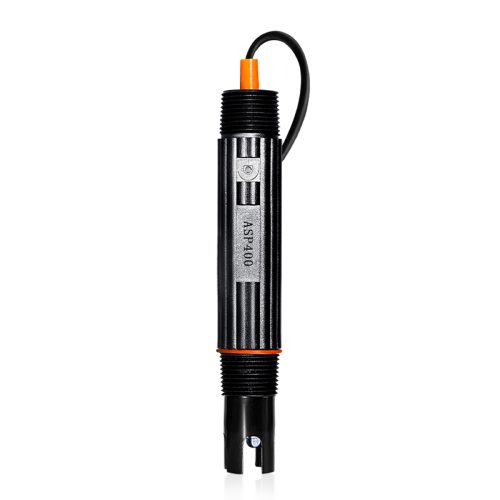
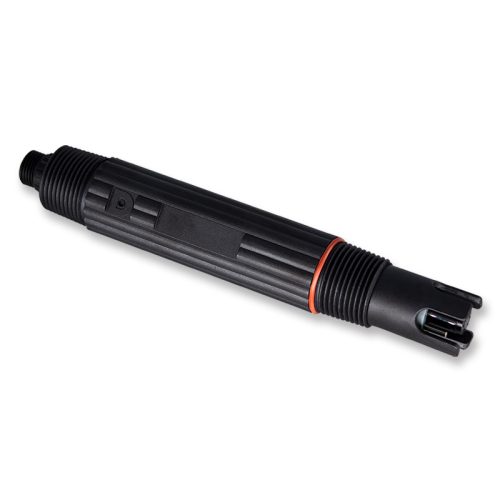
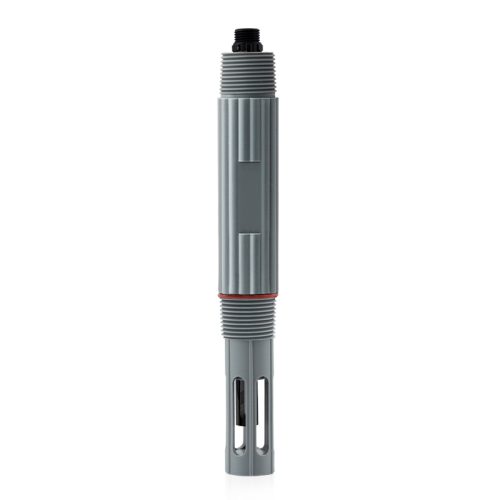
| Supported pH Range | 0-14 |
| Accuracy | ±0.02 pH/±1 mV ORP |
| Temperature Range | 0-80°C |
| Output Options | 4-20mA / RS485 MODBUS / Relay |
| Installation Methods | Subnersible / Flow Cell / Pipeline |
| Turbidity Range | 0-4000 NTU |
| Dissolved Oxygen | 0-20mg/L(optical) |


Please contact us immediately to speak with our experts and receive a discounted quote.




Integrated steel manufacturing operations in India encountered severe mineral scaling within blast furnace cooling loops in August 2021. Manual monitoring latency permitted rapid calcium buildup, triggering critical heat exchange failures and costly unplanned production shutdowns.
Deployment of the AEC-2 high-range inductive conductivity controller paired with the ASC heavy-duty sensor ensures precise mineral monitoring through a non-fouling, interference-resistant design.

Cold rolling operations in South Korea faced significant chemical waste and inconsistent surface quality in March 2022. Manual titration for hydrochloric acid baths proved too slow to maintain optimal pickling strength, leading to excessive acid consumption and downstream neutralization tank overflows.
Our AEC-2 inductive conductivity controller, integrated with the PFA-lined ASC sensor, achieves precise real-time acid concentration analysis through its superior chemical resistance and electrodeless measurement technology.

Steel processing facilities in Germany struggle with severe acidic chemical waste and highly inconsistent pickling quality due to slow manual titration methods for hydrochloric acid baths. Managing these aggressive neutralization loops is continuously disrupted by rapid electrode corrosion and heavy iron flake buildup, failing to signal real-time concentration drops and risking catastrophic rinsing tank overflows.
Integrating the heavy-duty ASC200 toroidal inductive conductivity sensor and ASP220 series pH glass probe with their dedicated AEC2 and APX2 controllers establishes an aggressive tracking infrastructure across concentration and neutralization loops. This dual-instrument setup delivers continuous, drift-free chemical metrics directly through intensive iron flake buildup and high-concentration hydrochloric acid exposure.
Have more technical questions or need a custom quote? Contact our experts for professional support and project pricing today.

English

French

German

Portuguese

Spanish