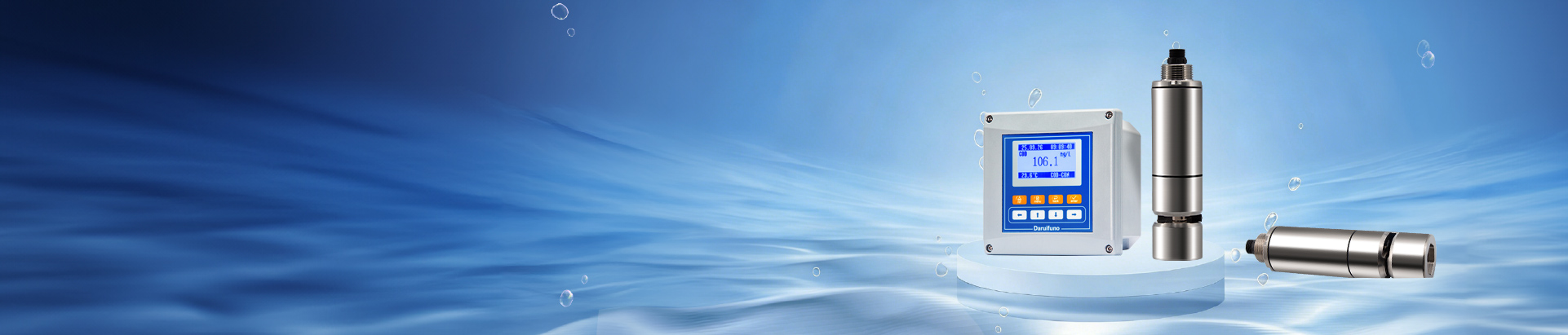
COD Sensor & Controller
Reliable digital sensing and multi-channel control platform designed for continuous, automated monitoring of organic pollutants in diverse water applications.
Reliable digital sensing and multi-channel control platform designed for continuous, automated monitoring of organic pollutants in diverse water applications.
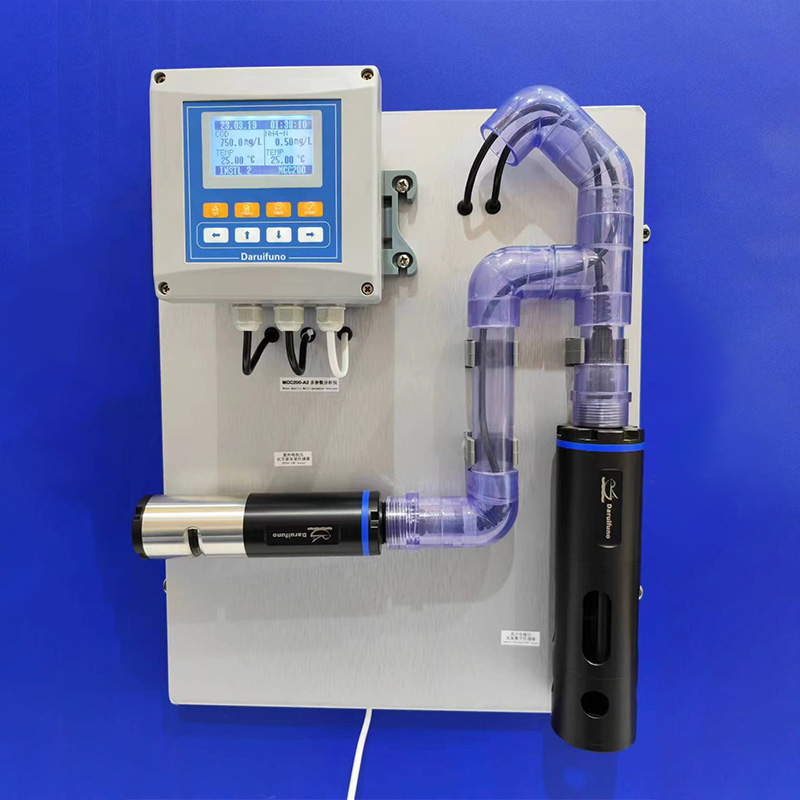
Utilizing the UV254 absorption principle with a LED dual-beam structure to deliver high-accuracy monitoring of dissolved organics without the need for costly chemical reagents.
Supports versatile measurement ranges up to 1500mg/L for COD and 600mg/L for TOC, providing a comprehensive solution for both clean water and heavily polluted samples.
Features an integrated mechanical wiper system with low power consumption (3W during cleaning) to prevent biofouling and scale, ensuring long-term stability in harsh wastewater.
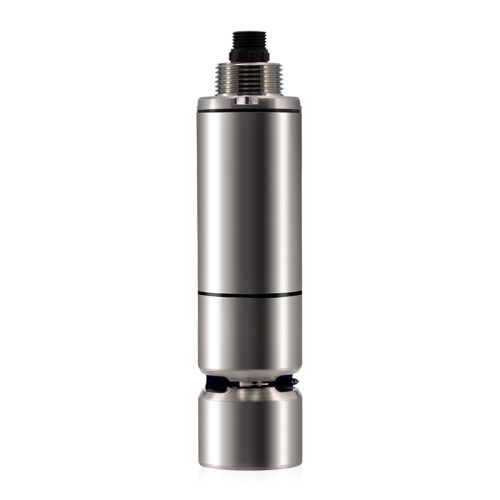
COD: 1~1500mg/L; TOC: 0.4~600mg/L
2-5 weeks
1
Contact Us
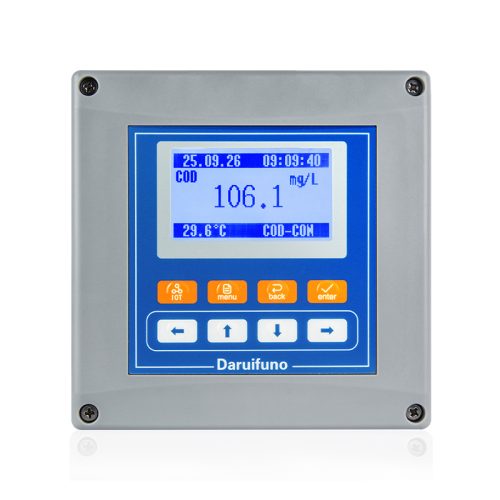
COD: 0~9999mg/L; TOC: 0~9999mg/L; BOD: 0~9999mg/L; TU: 0~4000NTU; Temp: -10~500℃ (measuring range related to the connected sensor)
2-5 weeks
1
Contact Us
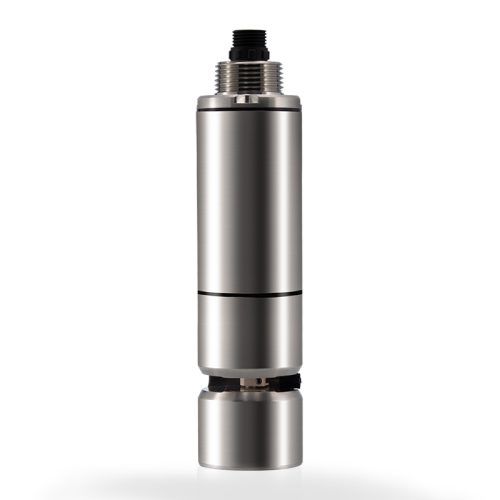
COD:0.75-500mg/L TOC:0.3-200mg/L
2-5 weeks
1
Contact Us


Download the full technical datasheet or contact our engineering team for a customized project quote today.
The sensor utilizes the advanced UV254 ultraviolet absorption method to deliver rapid, reagent-free measurements of dissolved organic pollutants. Equipped with an integrated automatic cleaning wiper, it effectively prevents biofouling and blockage to ensure low-maintenance, continuous monitoring in both clear and heavily polluted waters.
Constructed with a rugged 316 stainless steel housing, this sensor features a fully submersible IP68 waterproof design for harsh field installations, making it ideal for drinking water, surface water, and sewage treatment monitoring.
The system features secure password protection and non-volatile memory that permanently retains all calibration and configuration data, even during unexpected power outages, for uninterrupted regulatory compliance.
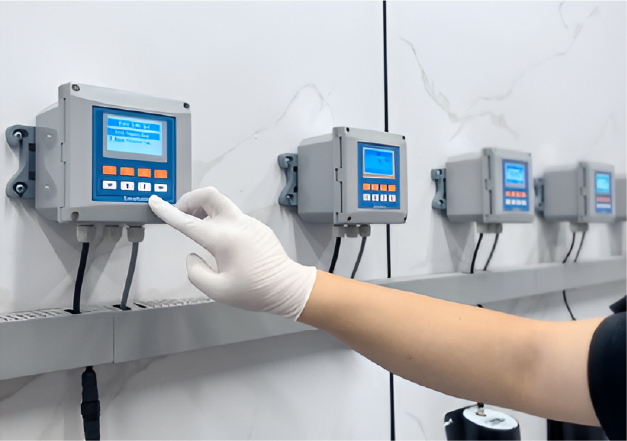
Featuring a multilingual interface with a 3.2-inch graphic LCD and intuitive 8-button navigation, the controller simplifies field commissioning and daily operation for international technical teams.


A high-capacity industrial desalination plant in the UAE faced frequent, costly reverse osmosis (RO) membrane fouling due to undetected organic spikes, urgently requiring a real-time COD monitoring system for early warning and membrane protection.
This solution integrates the COD351 UV254 sensor with the MCC500 multi-channel controller, enabling synchronized monitoring of intake organics and post-treatment water quality via a single digital interface.
By providing instant organic breakthrough alerts, the system extended RO membrane lifespan by 30% and eliminated emergency shutdown costs, delivering a full return on investment within just three months of operation.

A centralized industrial wastewater plant in the USA struggled with sudden toxic influent spikes that crashed their biological treatment stages, requiring a high-frequency COD monitoring system to trigger automated diversion and protect sensitive microbial populations.
This configuration utilizes the COD351 digital sensor paired with the DUC200 universal controller, leveraging its rapid response time and programmable relay outputs to trigger immediate influent diversion during organic spike events.
By preventing process-wide biological failures, the system saved the facility over tens of thousands of US dollars in reseeding and recovery costs per incident, while ensuring 100% compliance with EPA discharge regulations.

Large-scale manufacturing facilities in the USA face sudden toxic influent spikes that can crash biological treatment stages, leading to severe regulatory non-compliance and expensive system recovery costs.
Integrating DUC2-COD digital controllers with COD351 ultraviolet absorption sensors enables rapid detection of organic spikes, triggering automated diversion to protect sensitive biological treatment stages from toxic shock.
Real-time organic load monitoring has reduced chemical oxygen demand (COD) treatment costs by 18% and prevented 100% of potential biological system failures caused by toxic influent. Consistent automated monitoring ensures zero regulatory violations for discharge water quality, significantly mitigating environmental liability risks and optimizing long-term operational efficiency.
The scientific principle of online Chemical Oxygen Demand (COD) measurement primarily utilizes UV254 absorption spectroscopy to quantify organic pollutant levels in water bodies. Many organic compounds dissolved in wastewater, particularly those containing aromatic rings or conjugated double bonds, exhibit a strong, natural absorption spectrum at a specific ultraviolet wavelength of 254 nm. By emitting a stable light beam through the water sample and measuring the attenuation of light intensity via advanced photodetectors, the system calculates the Sac254 absorption coefficient, which establishes a precise mathematical correlation with traditional chemical dichromate digestion methods (COD_Cr).
To achieve maximum reliability in diverse industrial effluents and municipal wastewater applications, the optical COD sensor incorporates dual-beam technology for real-time background correction. A secondary reference light source, typically at a non-absorbing infrared wavelength like 550 nm or 390 nm, is simultaneously deployed to monitor and automatically compensate for turbidity, suspended solids, and window fouling. This reagent-free optical monitoring method delivers instantaneous data logging and zero hazardous waste, serving as the most efficient solution for real-time discharge compliance, early pollution warning, and wastewater treatment process optimization.
As a cornerstone of ESG-driven industrial water management, real-time COD monitoring using reagent-free UV254 technology empowers facilities to drastically reduce their carbon footprint by optimizing treatment efficiency and eliminating hazardous chemical waste. This sustainable sensing approach not only ensures 100% regulatory compliance but also protects local biodiversity by preventing organic overloads and supporting the global transition toward a circular economy and zero-liquid discharge (ZLD) goals.
Get a competitive factory-direct quote and a free technical consultation within 12 hours to optimize your water treatment costs.

English

French

German

Portuguese

Spanish