
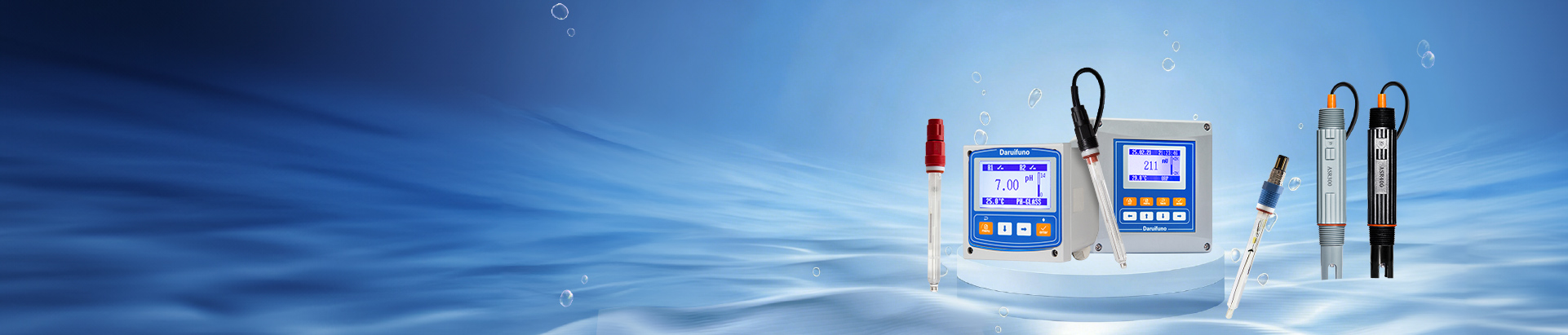
pH / ORP Sensor & Controller
Advanced pH/ORP sensors and digital transmitters designed for stable, real-time water quality monitoring and process control.
Advanced pH/ORP sensors and digital transmitters designed for stable, real-time water quality monitoring and process control.
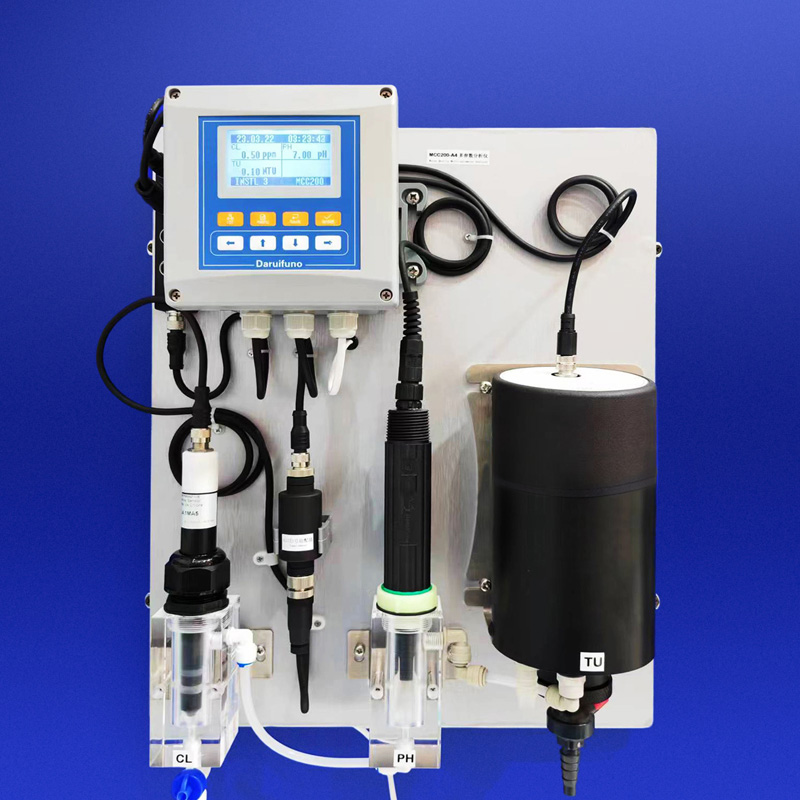
Advanced digital signal processing eliminates drift and noise interference, ensuring precise pH/ORP readings even in complex industrial wastewater or high-interference environments.
Our robust sensor design features high-capacity reference systems that resist poisoning and clogging, significantly reducing the frequency of calibration and sensor replacement.
Integrated automatic cleaning interfaces prevent scale buildup and biofouling on the glass bulb, allowing for long-term continuous monitoring with minimal manual intervention.


Contact Delfino today for a competitive quote and technical guidance on our full range of online sensors and controllers.
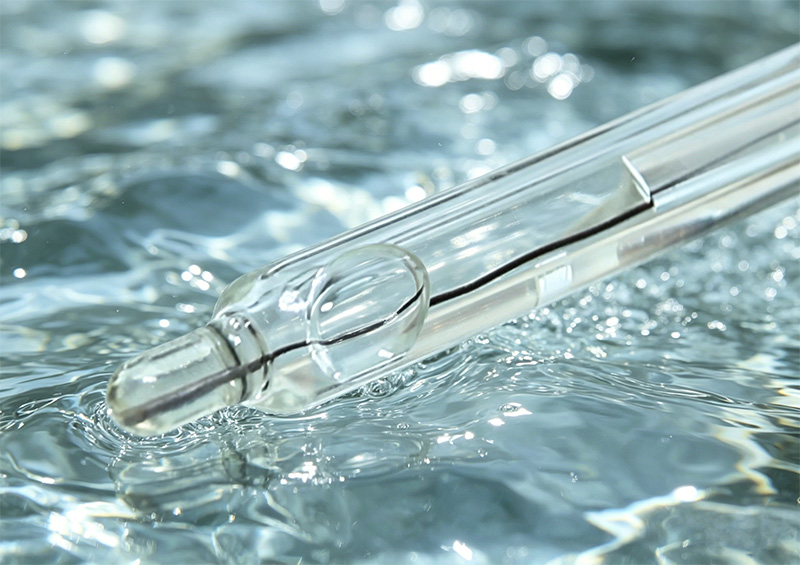
A wide range of electrode models is available for application in diverse scenarios, designed to withstand various process environments—including high and low temperatures, desulfurization and denitrification processes, the presence of heavy metal ions, hydrofluoric acid, high-temperature fermentation, and pure water systems. Our engineers can provide tailored solutions to meet your specific requirements, offering customization options such as specialized reference electrodes and custom lengths.

A variety of pH / ORP controllers are available. Its robust signal stabilization core actively filters environmental noise, ensuring that your process remains within critical thresholds without the frustration of reading fluctuations.
Designed to streamline complex workflows, the controller features a logically structured menu system that enables rapid parameter adjustments without specialized training.


A leading chemical manufacturing plant required precise pH control for their high-acid effluent neutralization process in Spain.
Delfino ASP300 series composite pH sensors paired with APX2-C1 digital controllers.
Our solid-electrolyte sensors eliminated junction clogging caused by chemical precipitates, reducing maintenance frequency by 60% and ensuring total compliance with environmental discharge standards.

A modern recirculating aquaculture system (RAS) facility needed a centralized solution to monitor pH levels across multiple shrimp tanks in Ecuador.
Daruifuno MCC500 Multi-parameter Controller integrated with digital pH sensors featuring Modbus RS485 output.
Our multi-channel system enabled simultaneous real-time tracking for up to 20 tanks, triggering automatic alerts for pH fluctuations to prevent mass mortality and optimize growth conditions.

The leading pharmaceutical manufacturing facility in Germany integrated high-precision pH monitoring systems to ensure the quality of their Purified Water (PW) loops and to automate the neutralization of process wastewater.
ASP120 series differential pH sensors were deployed along with APX2 controllers, providing the high-stability measurement required to meet stringent Good Manufacturing Practice (GMP) standards.
The specialized flat-surface glass electrodes minimized protein fouling and mineral buildup, leading to a 40% reduction in manual maintenance labor and ensuring continuous compliance with rigorous European environmental discharge protocols.
Our high-precision digital sensors utilize the potentiometric method to provide real-time, laboratory-grade quantification of acidity and oxidation-reduction states in complex industrial fluids.
pH Measurement Principle (Nernstian Electrochemical Logic): Based on the mathematical framework of the Nernst Equation, the pH sensor detects the thermodynamic activity of hydrogen ions (H⁺) using a specialized glass membrane electrode. When immersed, an electrical potential develops across the hydrated gel layer relative to a stable silver/silver chloride (Ag/AgCl) reference electrode. The system incorporates Automatic Temperature Compensation (ATC) to correct for the 59.16 mV/pH unit slope sensitivity, ensuring reliable data for critical process control in wastewater treatment and chemical manufacturing.
ORP / Redox Potential Principle (Electron Exchange Monitoring): Oxidation-Reduction Potential (ORP) measures the capacity of a solution to either release or accept electrons using a noble metal electrode (typically platinum or gold). By measuring the millivolt (mV) potential difference against the same stable Ag/AgCl reference, the sensor provides an immediate assessment of the Redox state. This is essential for tracking disinfection efficacy, such as chlorine residual strength, and managing complex industrial reactions like cyanide destruction or chromate reduction.
Precision pH monitoring is a cornerstone of environmental protection and sustainable water management, serving as a critical early-warning system to prevent the acidification of natural aquatic ecosystems. By maintaining optimal alkalinity through real-time digital sensing, industrial facilities can significantly reduce their ecological footprint and ensure that treated effluent complies with strict green living standards and discharge regulations. This proactive approach to water quality conservation effectively mitigates the impact of chemical runoff, safeguarding biodiversity and promoting the circular economy through the safe reuse of water resources.
Whether your business is complex or simple, you will get an accurate quote within 12 hours.

English

French

German

Portuguese

Spanish