
Water & Wastewater
Continuous monitoring and control instruments for water and process applications
Continuous monitoring and control instruments for water and process applications
Industrial wastewater contains complex pollutants from chemical, textile, food processing, pharmaceutical, and heavy industry operations. To stay compliant and reduce treatment costs, factories need accurate, real-time monitoring of key water quality parameters such as pH, ORP, COD, Turbidity, Conductivity, DO, and more.

We provide a complete online monitoring solution covering: pretreatment → process control → emission monitoring.
This includes: online pH/ORP regulation and control, online COD/TOC/ammonia nitrogen monitoring, online turbidity and suspended solids monitoring, chemical dosing and automated control, data logging, trend analysis, and remote monitoring. This solution addresses key issues faced by industrial wastewater treatment plants, such as discontinuous data, slow manual testing, high compliance pressure, and chaotic management.

Real-time pH and ORP measurement ensures accurate neutralization and stable chemical reactions. Suitable for acid-base dosing, oxidation tanks, and neutralization basins.
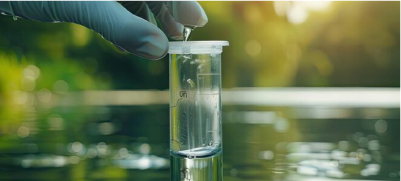
Continuous organic load monitoring helps prevent overload shocks, reduce treatment costs, and meet discharge limits.

Turbidity and suspended solids (SS) sensors ensure sedimentation efficiency and help detect early solid carry-over issues.
Industrial wastewater treatment typically involves equalization, pH adjustment, coagulation, biological processing, clarification, and final discharge. Each stage requires continuous online monitoring to control dosing, stabilize process performance, and ensure regulatory compliance.
| Process Step | Monitoring Point | Parameters | Objective |
|---|---|---|---|
| Step 1: Equalization |
Influent Equalization Tank | pH,ORP,Conductivity | Homogenize wastewater quality and protect downstream biological processes. |
| Step 2: pH Adjustment |
Neutralization Basin | pH,ORP | Provide precise real-time data for automated acid/alkali dosing control. |
| Step 3: Coagulation Flocculation |
Flocculation Tank Outlet | Turbidity,Suspended Solids(SS) | Optimize chemical usage and ensure high-efficiency solid-liquid separation. |
| Step 4: Anaerobic/Anoxic Treatment |
Bio-Reactor (A-Zone) | ORP,Temperature | Monitor redox potential to ensure effective denitrification and phosphorus removal. |
| Step 5: Aerobic Treatment (Aeration) |
Aeration Tank | Dissolved Oxygen (DO),MLSS | Maintain microbial health and optimize aeration energy consumption. |
| Step 6: Clarification Sedimentation |
Secondary Clarifier(Upper Layer) | Turbidity,SS,Sludge Interface | Monitor sludge settling to prevent carry-over and ensure high-quality supernatant. |
| Step 7: Final Discharge Monitoring |
Effluent Discharge Outlet | pH,COD/TOC,NH3-N,Total Phosphorus | 24/7 continuous monitoring to guarantee 100% compliance with discharge regulations. |


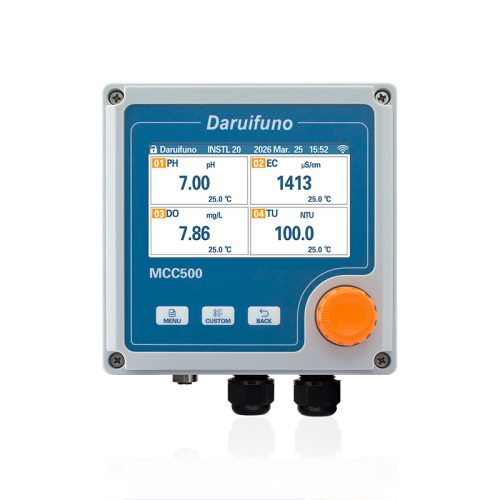
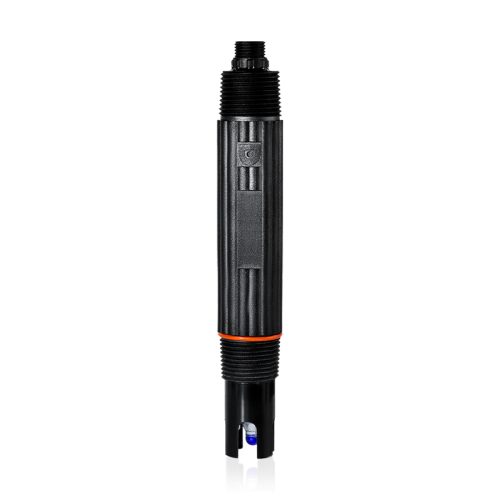
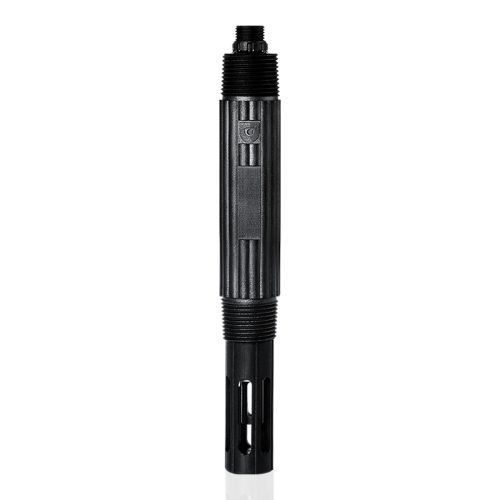
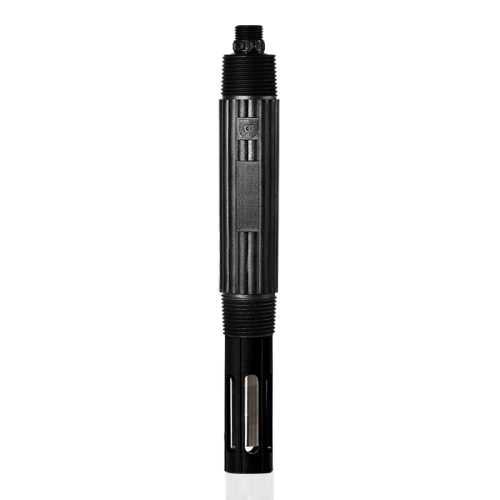
| Supported pH Range | 0-14 |
| Accuracy | ±0.02 pH/±1 mV ORP |
| Temperature Range | 0-80°C |
| Output Options | 4-20mA / RS485 MODBUS / Relay |
| Installation Methods | Subnersible / Flow Cell / Pipeline |
| Turbidity Range | 0-4000 NTU |
| Dissolved Oxygen | 0-20mg/L(optical) |


Please contact us immediately and talk to one of our experts.
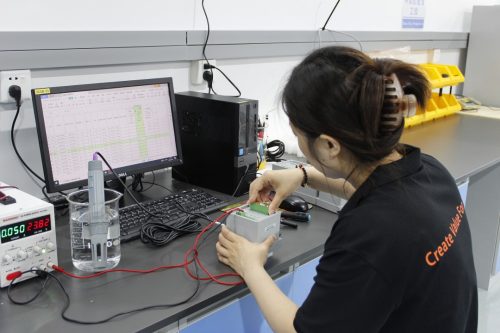



A large-scale textile plant processes 1,500 m³ of wastewater daily. Extreme pH fluctuations between 5 and 11 lead to high chemical costs and discharge compliance risks.
Solution Applied: Installation of 3 units of APX2-C3 controllers paired with industrial-grade pH sensors, utilizing standard Modbus RS485 for centralized monitoring.
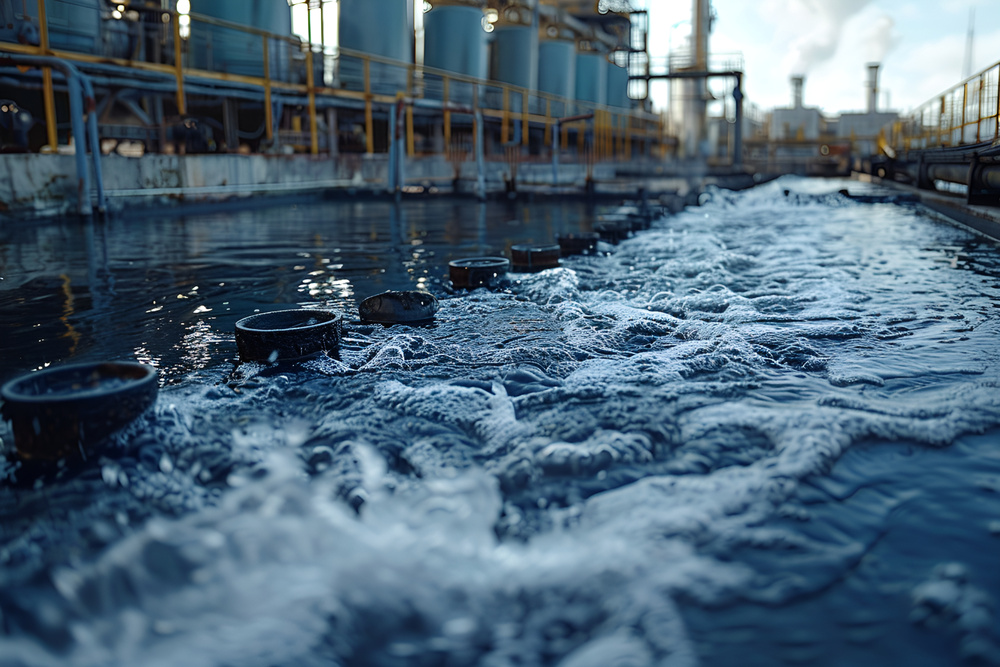
An electroplating facility specialized in heavy metal surface finishing. Incomplete chemical reactions (cyanide destruction) caused by inaccurate ORP readings and harsh process temperatures.
Installation of APX2-C3 controllers supporting 2-point ORP calibration and withstanding process temperatures up to 55°C.
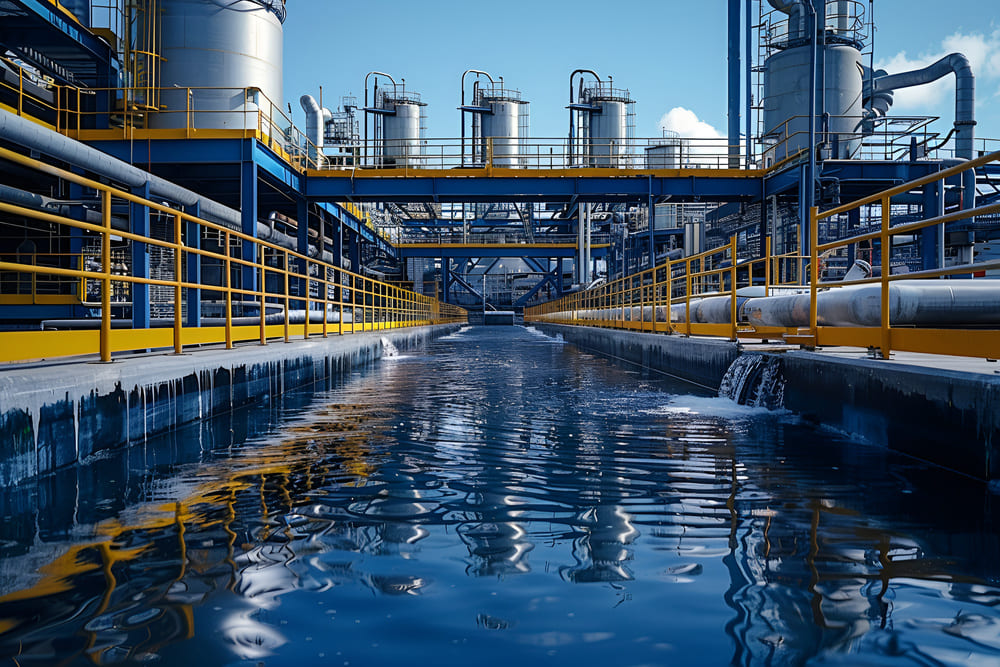
Manufacturing facilities in South Korea face severe regulatory fines and operational disruptions due to unpredictable chemical oxygen demand (COD) spikes in their raw effluent channels. Managing these highly variable wastewater streams is continuously hindered by slow laboratory feedback, leaving treatment plants unable to adjust aeration or dosing protocols in time to prevent discharge violations.
Integrating the COD351 series digital sensor, which utilizes a dual-beam UV254 absorption method, with a dedicated DUC2-COD single-channel controller provides continuous, reagent-free tracking of chemical oxygen demand directly in the effluent channel.
Expert answers on water quality monitoring, sensor maintenance, and optimizing aeration efficiency for industrial and municipal wastewater treatment compliance.

English

French

German

Portuguese

Spanish