
Pulp & Paper

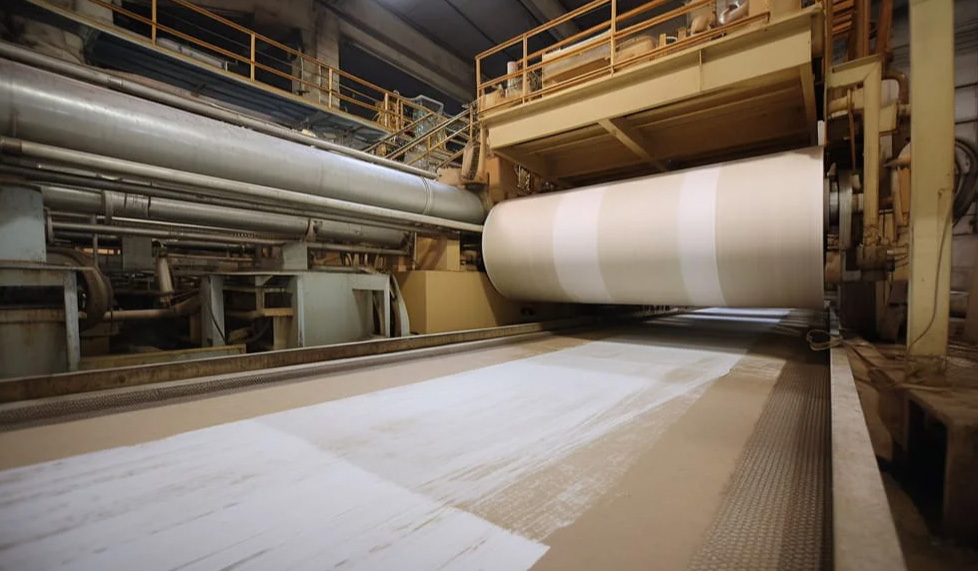
Reliable sensing solutions engineered for the high-temperature and corrosive environments of modern pulp mills. Optimize fiber recovery and ensure 24/7 discharge compliance with our heavy-duty chemical monitoring systems.Continuous monitoring and control instruments for water and process applications

Industry Overview

The pulp and paper industry faces escalating pressure to optimize closed-loop water systems and enhance fiber recovery to meet stringent global environmental discharge standards. Implementing advanced online monitoring is essential for minimizing chemical consumption and ensuring sustainable wastewater treatment within modern mill operations.

Common Water Quality Challenges in Pulp & Paper

  • Severe electrode fouling from organic pitch and sticky deposits.
  • Accuracy drift caused by high-temperature and high-alkali pulping liquors.
  • Equipment corrosion due to acidic white water closed-loop recycling.
  • Complex fiber interference in high-consistency effluent monitoring.
  • Manual testing leads to inconsistent results and delayed responses.Manual sampling delays and high labor cost

Process Flow & Monitoring Points

Industrial wastewater treatment typically involves equalization, pH adjustment, coagulation, biological processing, clarification, and final discharge. Each stage requires continuous online monitoring to control dosing, stabilize process performance, and ensure regulatory compliance.

Category Details Benefits of Online Monitoring
Key Water Quality Parameters pH Level: Essential for controlling cellulose degradation in pulping and chemical precipitation in bleaching stages. Ensures precise acidic/alkaline balance to maximize pulp brightness while preventing fiber damage.
ORP (Redox): Monitors the residual concentration of bleaching agents like chlorine dioxide ClO2 or ozone O3. Prevents over-dosing of expensive bleaching chemicals and protects downstream biological treatment units.
Inductive Conductivity: Measures black liquor strength and chemical purity in evaporation and recovery boiler cycles. Optimizes chemical recovery efficiency and prevents boiler scaling caused by excessive inorganic salts.
Temperature: Regulates thermal kinetics during high-pressure digestion and enzymatic deinking processes. Maintains consistent pulp quality by stabilizing reaction rates and preventing thermal degradation of enzymes.
Dissolved Oxygen (DO): Critical for maintaining healthy microbial activity in activated sludge wastewater treatment plants (ASBP). Enhances BOD/COD removal efficiency and reduces energy costs for aeration blowers.
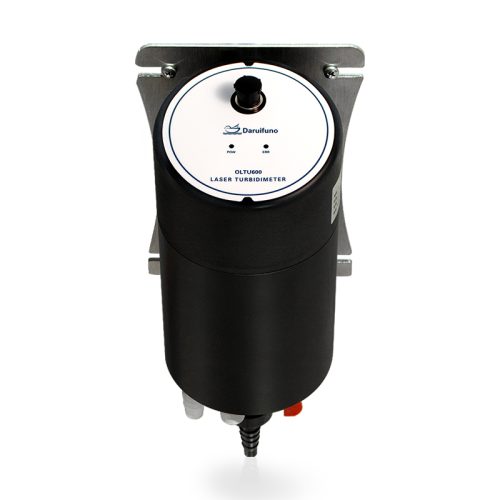
Turbidity: Indicates fiber and filler concentrations in white water loops and final effluent streams. Maximizes fiber recovery rates and ensures 24/7 compliance with environmental discharge permits.

How Online Sensors Improve Operations Automated Chemical Dosing: Real-time feedback loops for biocides, retention aids, and sizing agents. Slashes chemical costs by 15-20% and prevents "off-spec" batches caused by manual titration delays.

White Water Stability Control: Monitors dissolved solids to optimize closed-loop water circulation. Reduces fresh water consumption and prevents equipment corrosion from accumulated chloride ions.
Early Leakage Detection: Instant alerts for heat exchanger tube ruptures or tank overflows in the liquor line. Prevents catastrophic loss of raw materials and protects the mill's local environmental reputation.
Compliance Data Logging: Automated digital records for ESG reporting and ISO 14001 environmental audits. Simplifies regulatory reporting and supports predictive maintenance of critical effluent infrastructure.
Typical Application Scenarios Bleaching Plant Control: Real-time monitoring of pH and ORP for multi-stage bleaching sequences. Minimizes AOX (Adsorbable Organic Halides) formation and stabilizes final product whiteness.
Stock Preparation Management: Control of chemical additives and pH during the beating and refining stages. Improves paper strength properties and enhances the retention of expensive fillers.
Effluent Treatment (ETP): Final polishing of wastewater before river or municipal discharge. Guarantees compliance with TSS and COD limits, avoiding massive environmental fines.

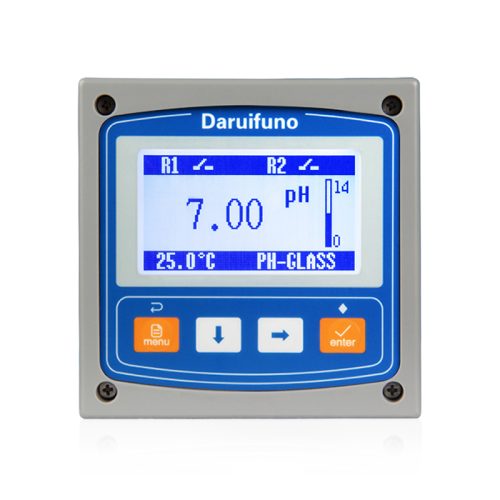
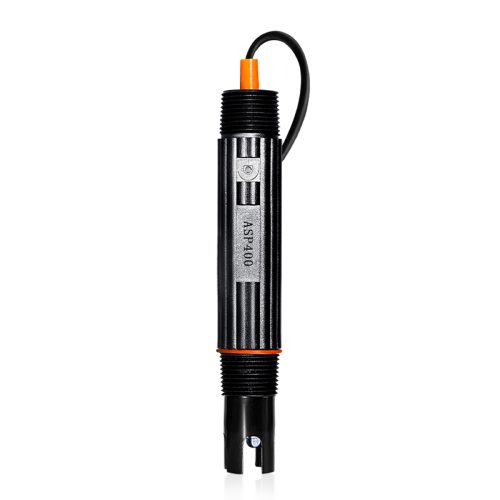
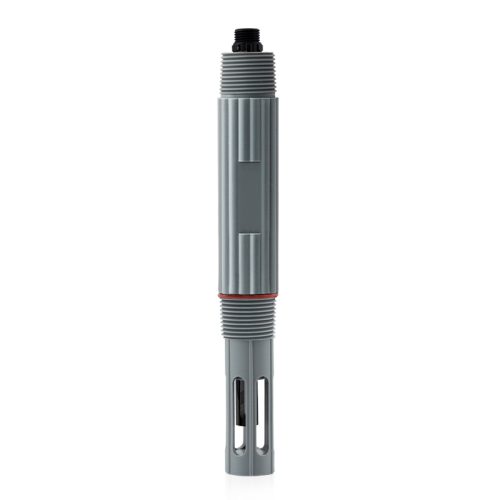
Recommended Featured Products

Technical Capabilities for Pulp & Paper

Supported pH Range 0-14
Accuracy ±0.02 pH/±1 nV ORP
Temperature Range 0-80°C
Output Options 4-20mA / RS485 Hodbus / Relay

Installation Methods Subnersible / Flow Cell / Pipeline
Turbidity Range 0-4000 NTU
Dissolved Oxygen 0-20mg/L(optical)

Not Sure Which Product Meets Your Needs?

Please contact us immediately to speak with our experts and receive a discounted quote.

Why Choose Us for Wastewater Monitoring?

  • With over a decade of manufacturing experience, we possess mature capabilities in production, R&D, and supporting services.
  • Anti-fouling design for sludge and high-solids environments
  • Real-time stable measurement in harsh wastewater
  • Long-term stability with minimal calibration
  • Experience across 1,000+ wastewater sites

Transforming complex industrial water challenges into sustainable operations through expert monitoring solutions.

  • Self-Cleaning Turbidity Monitoring for Efficient White Water Recovery

    Customer Issue:

    Paper board mill in Vietnam experienced severe fiber loss and high turbidity in process white water during August 2022. Inconsistent monitoring led to frequent clogging of spray nozzles and increased freshwater consumption, impacting overall production efficiency.

    Solution Applied:

    Our MCC series controllers paired with OPTU series high-range turbidity sensors feature integrated self-cleaning scrapers to maintain measurement accuracy by preventing fiber buildup and lens fouling.

    Result:

    • Reduced fiber loss by 15% through precision turbidity control, directly increasing raw material yield.

    • Decreased freshwater consumption by 20% by optimizing white water recycling and spray nozzle protection.
    • Achieved 99.9% equipment uptime for the monitoring system with the automated self-cleaning scraper.
  • Corrosion-Resistant COD & pH Tracking for Black Liquor Effluent

    Customer Issue:

    The chemical pulping facility in Brazil struggled with fluctuating organic loads in effluent treatment plants during November 2024. Inaccurate COD and pH tracking caused unstable neutralization of black liquor residues, resulting in high risks of environmental non-compliance.

    Solution Applied:

    Our COD351 analyzers and DPH pH sensors connected to MCC controllers utilize chemical-resistant titanium housings to ensure stable real-time monitoring within the corrosive and high-organic environment of black liquor effluent.

    Result:

    • Maintained 100% regulatory compliance for COD discharge, eliminating the risk of environmental litigation.
    • Lowered chemical neutralization costs by 18% through high-accuracy real-time pH and organic load tracking.
    • Extended sensor replacement intervals by 2x in corrosive black liquor environments using titanium-housed probes.
  • Automated ORP Monitoring for Electroplating Effluent Treatment

    Customer Issue:

    An electroplating facility specialized in heavy metal surface finishing. Incomplete chemical reactions (Cyanide destruction) caused by inaccurate ORP readings and harsh process temperatures.

    Solution Applied:

    Installation of APX2-C3 controllers supporting 2-point ORP calibration and withstanding process temperatures up to 55°C.

    Result:

    • Ensured 100% heavy metal precipitation with precise redox potential tracking.
    • The IP66-rated enclosure protected electronics from corrosive chemical vapors in the plant.
    • Calibration logs (last 100 entries) streamlined predictive maintenance for ORP electrodes.

Frequently Asked Questions

Consult our experts for tailored water management advice and request a professional quote to optimize your mill's operational efficiency today.

1. How to prevent sensor fouling from fiber buildup in paper mill white water?
Installing turbidity sensors with integrated mechanical scrapers or self-cleaning systems effectively eliminates fiber accumulation on the lens.
2. What is the most reliable way to monitor COD in corrosive black liquor effluent?
Using standalone COD analyzers with titanium-housed probes ensures long-term stability and chemical resistance in high-organic pulping environments.
3. How can online monitoring reduce freshwater consumption in paper production?
Real-time tracking of white water turbidity allows for maximum water recycling while protecting spray nozzles from fiber-induced clogging.
4. Which parameters are critical for wastewater compliance in the pulping industry?
Constant monitoring of COD, pH, and Total Suspended Solids (TSS) is essential to meet strict environmental discharge regulations for pulp mills.
5. How to extend the lifespan of pH sensors in high-temperature pulping processes?
Selecting industrial-grade pH probes with heavy-duty glass membranes and high-temperature electrolyte reservoirs prevents premature sensor failure.
6. Can online water quality data help in chemical dosing optimization for paper mills?
Accurate real-time pH and ORP monitoring enables precise control of bleaching and neutralization chemicals, reducing overall Opex.
7. What are the benefits of using digital controllers in mill-wide water management?
Digital controllers supporting Modbus RS485 provide seamless integration into factory SCADA systems for centralized, data-driven water control.
8. How to ensure 24/7 accuracy of nitrogen monitoring in pulping wastewater?
Utilizing ammonia nitrogen analyzers with automated calibration cycles ensures consistent measurement accuracy despite fluctuating organic loads.