
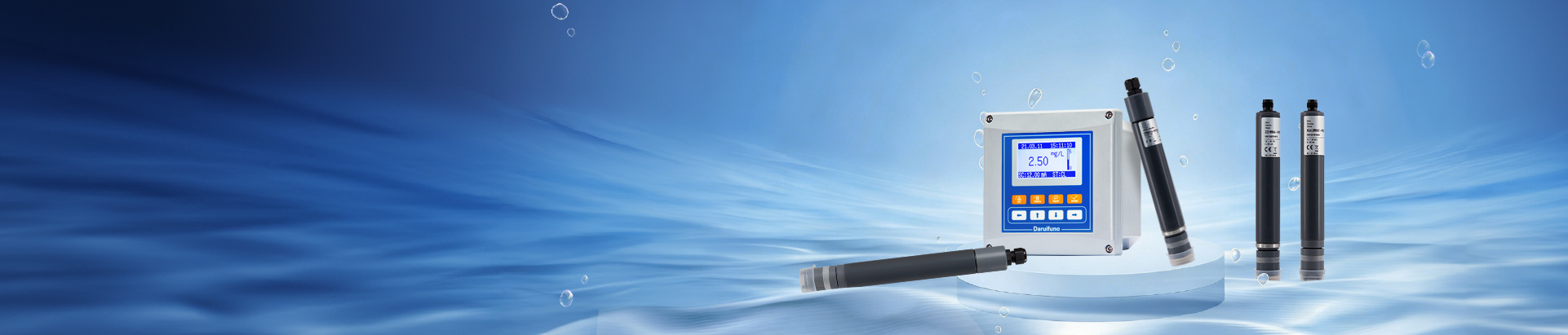
Chlorine Sensor & Controller
Achieve optimal concentration with high-precision free chlorine monitoring to ensure water quality and regulatory compliance.
Achieve optimal concentration with high-precision free chlorine monitoring to ensure water quality and regulatory compliance.
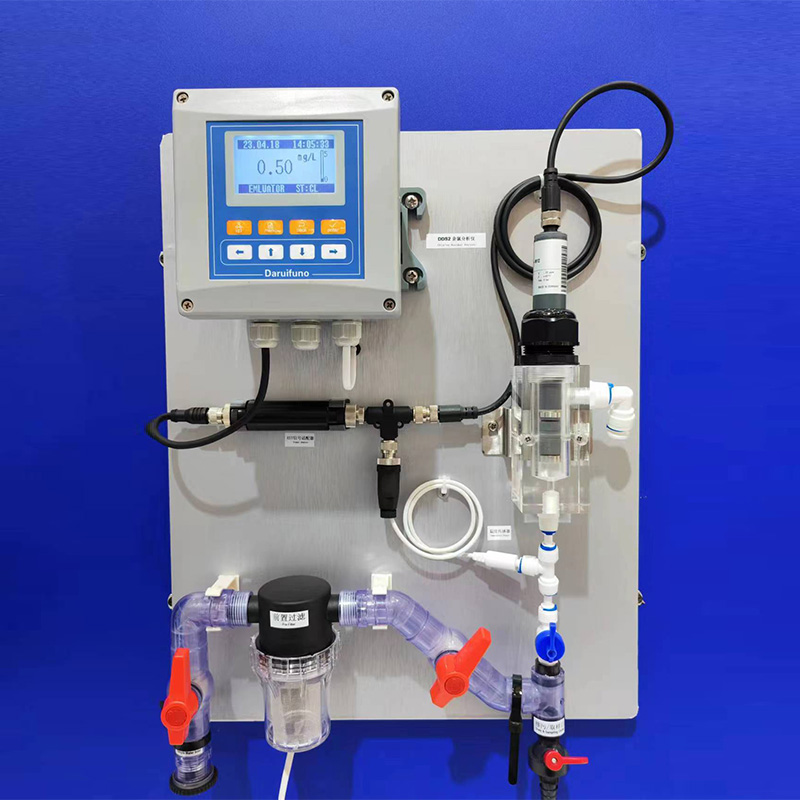
Utilizes a high-precision polarographic membrane electrode to provide continuous, real-time residual chlorine monitoring without the need for constant reagent replacement.
Engineered for strict water quality compliance with a measurement range of 0–20 mg/L and an exceptional resolution of 0.001 mg/L, capturing even minor concentration fluctuations.
Features built-in pH and temperature sensors to provide automatic compensation, ensuring a measurement accuracy of ±1% F.S. across varying water chemistry conditions.

0.05~5.00/10.00/20.00mg/L; 0.005~0.500/2.000mg/L; 0.5~100.0/200.0mg/L
2-5 weeks
1
Contact Us
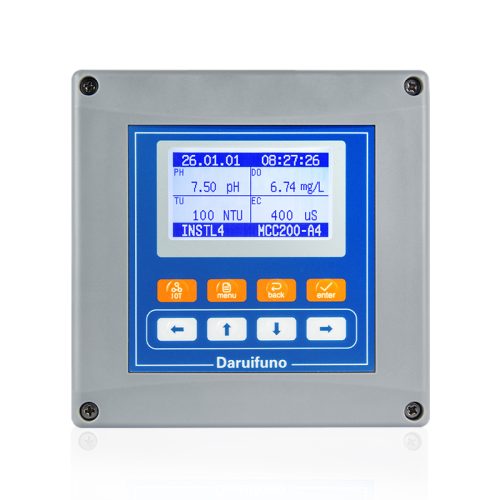
pH、ORP、Cond、DO、Tur、TSS、COD、NH4-N、OIW、Cl、Disinf、Ion、Chl、BGA、NO3、CDOM、DFS、Colorim.
2-5 weeks
1
Contact Us
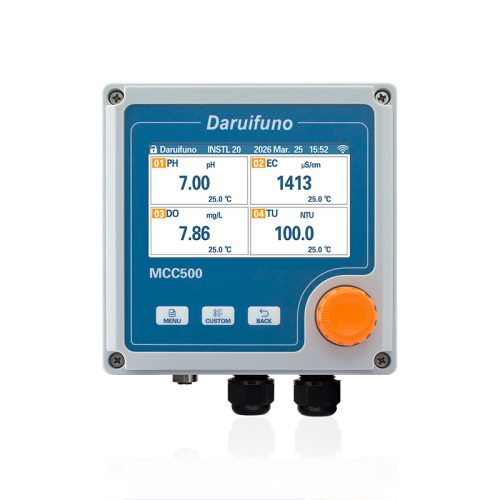
pH、ORP、Cond、DO、Tur、TSS、COD、NH4-N、OIW、Cl、Disinf、Ion、Chl、BGA、NO3、CDOM、DFS、Colorim.
2-5 weeks
1
Contact Us


Download our full product datasheet or request a custom solution for your free chlorine monitoring project.
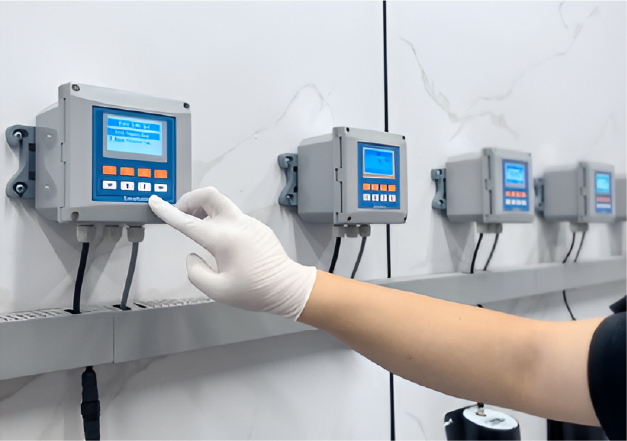
Our sensors deliver high-precision control in drinking water and swimming pool applications, maintaining the perfect balance between effective disinfection and regulatory compliance for superior water safety.
Designed for the rigors of industrial cooling water, these systems provide stable measurement and long-term reliability to prevent biofilm buildup and protect infrastructure from corrosion.
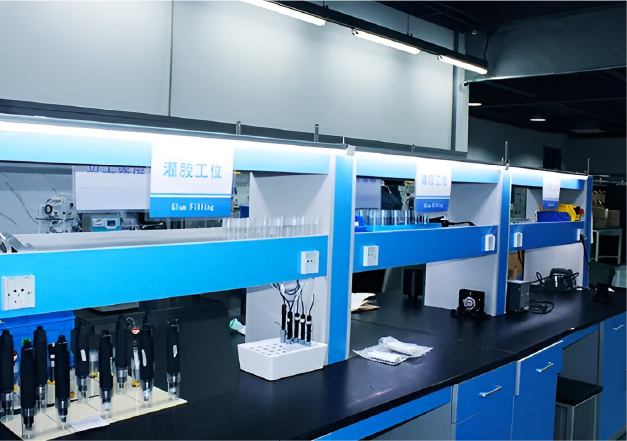
Seamlessly optimized for membrane-covered amperometric systems, the ADS2 controller provides high-resolution data visualization and precise calibration for a wide range of disinfectant agents.
Equipped with programmable setpoints and relay logic, the ADS2 allows for customized automated dosing and early warning alerts to maintain precise chlorine levels without manual intervention.


The municipal water treatment plant in Malaysia struggled with inconsistent free chlorine residuals due to fluctuating source water quality, leading to increased operational costs and strict regulatory compliance pressures.
Integrated the ADS2 Smart Controller with CL-series membrane-covered sensors to provide automated, real-time feedback control for the chemical dosing system.
Achieved consistent 24/7 water quality compliance while reducing chemical waste and manual oversight through precise automated dosing.

Industrial power plants in Saudi Arabia experienced persistent biofouling and degraded heat exchanger efficiency as extreme desert heat accelerated the rapid depletion of free chlorine levels.
Deployed the ADS2 Controller alongside high-stability CL sensors to automate precise oxidant dosing, ensuring consistent disinfection despite extreme ambient temperatures.
Eliminated manual dosing inefficiencies and prevented heat exchanger fouling, significantly reducing energy consumption and chemical operational costs.

A leading chemical manufacturing plant required precise pH control for their high-acid effluent neutralization process in Spain.
Daruifuno ASP300 series composite pH sensors paired with APX2-C1 digital controllers.
Our solid-electrolyte sensors eliminated junction clogging caused by chemical precipitates, reducing maintenance frequency by 60% and ensuring total compliance with environmental discharge standards.
Utilizing the advanced membrane-covered amperometric principle, the sensor measures free chlorine by detecting the electric current generated from the electrochemical reduction of hypochlorous acid (HOCl) at the cathode.
The specialized selective membrane allows only chlorine molecules to permeate while blocking ionic interference, ensuring high sensitivity and a stable zero-point for precise low-level detection.
This reagent-free measurement method provides continuous real-time data with integrated temperature compensation, significantly reducing operational maintenance compared to traditional DPD colorimetric methods.
Precise residual chlorine control is essential to prevent the formation of harmful disinfection byproducts (DBPs) that threaten aquatic ecosystems and long-term environmental health. By optimizing chlorine levels, you protect local biodiversity and ensure your water discharge meets the strictest environmental sustainability standards for a greener future.
Get the precise answers you need for your unique water conditions

English

French

German

Portuguese

Spanish