

Energy & Power Generation
Ensure stable power generation with real-time automated water quality analysis. Smart water monitoring solutions for peak power plant efficiency and safety.
Ensure stable power generation with real-time automated water quality analysis. Smart water monitoring solutions for peak power plant efficiency and safety.
Precise water chemistry control is essential in power generation to prevent costly corrosion and scaling in critical boiler and turbine systems. Implementing automated online monitoring ensures high-purity water quality, maximizes thermal efficiency, and extends the operational lifespan of energy infrastructure.

Industrial wastewater treatment typically involves equalization, pH adjustment, coagulation, biological processing, clarification, and final discharge. Each stage requires continuous online monitoring to control dosing, stabilize process performance, and ensure regulatory compliance.
| Category | Details | Benefits of Online Monitoring | ||||||||||||||||||
| Key Water Quality Parameters | Specific Conductivity: Monitors total dissolved solids (TDS) in boiler feed water | Detects early ionic contamination to prevent scale buildup on heat transfer surfaces. | ||||||||||||||||||
| Cation Conductivity: Measures mineral acid anions after cation exchange | Provides a sensitive indicator of salt ingress or condenser leaks to prevent turbine blade corrosion. | |||||||||||||||||||
| Dissolved Oxygen (DO): Vital for monitoring deaerator performance | Minimizes oxygen-induced pitting and flow-accelerated corrosion (FAC) in high-pressure piping. | |||||||||||||||||||
| Silica (SiO2): Controls levels in steam and boiler water | Prevents silica carryover in steam, avoiding glassy deposits on turbine blades that reduce efficiency. | |||||||||||||||||||
| pH Level (High Purity): Crucial for maintaining the protective magnetite layer | Ensures precise chemical treatment (AVT/OT) to inhibit general corrosion in carbon steel components. | |||||||||||||||||||
| Sodium (Na+): Detects trace-level impurities in high-purity steam | Provides the earliest warning of steam purity issues and potential stress corrosion cracking. | |||||||||||||||||||
| How Online Sensors Improve Operations | Automated Boiler Blowdown: Real-time feedback for optimizing discharge frequency | Reduces fuel and water loss by maintaining optimal cycle chemistry without excessive blowdown. | ||||||||||||||||||
| Condenser Leak Detection: Instant alerts for seawater or cooling water ingress | Protects critical downstream equipment from rapid contamination and unplanned outages. | |||||||||||||||||||
| Heat Rate Optimization: Monitors scaling potential in cooling towers | Maintains optimal heat exchange efficiency, directly reducing coal/gas consumption and carbon footprint. | |||||||||||||||||||
| Cycle Chemistry Compliance: Automated records for industry safety standards | Simplifies regulatory reporting (ASME/IAPWS) and supports predictive maintenance of steam circuits. | |||||||||||||||||||
| Typical Application Scenarios | Boiler Feedwater Treatment: Direct control of high-purity makeup water | Protects high-pressure boilers from irreversible scale formation and tube failures. | ||||||||||||||||||
| Condensate Polishing: Monitors ion exchange resin performance | Ensures recycled water meets stringent purity standards before re-entering the thermal cycle. | |||||||||||||||||||
| Cooling Tower Management: Chemical dosing for biocides and inhibitors | Prevents biofouling and scale in heat exchangers, ensuring consistent plant cooling capacity. | |||||||||||||||||||


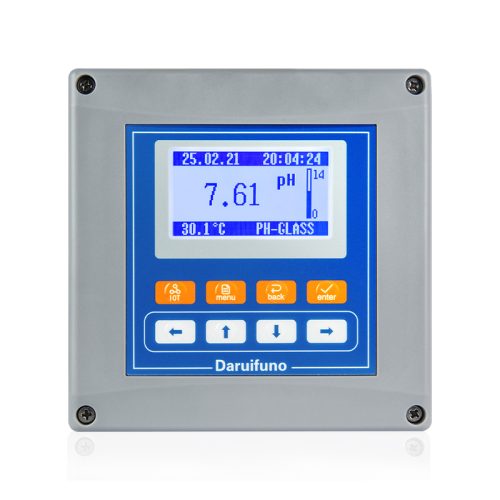
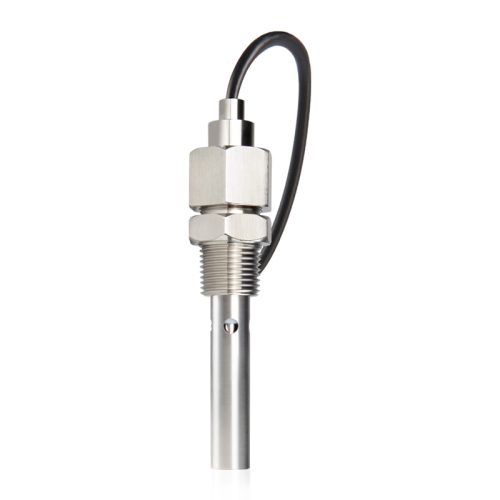
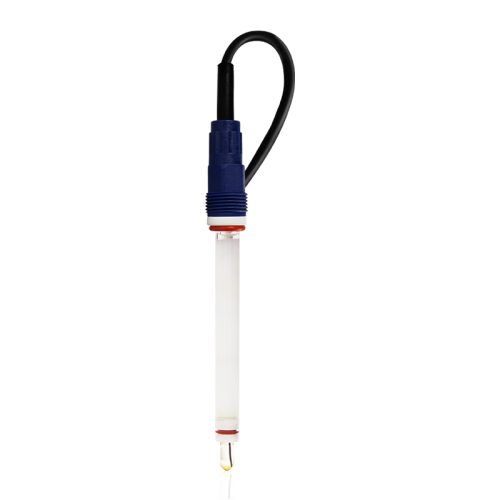
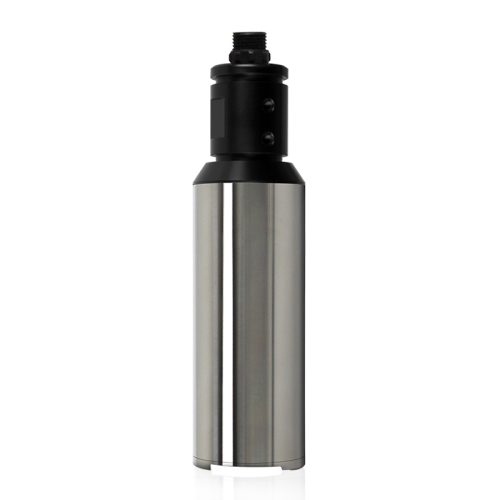
| Supported pH Range | 0-14 |
| Accuracy | ±0.02 pH/±1 mV ORP |
| Temperature Range | 0-80°C |
| Output Options | 4-20mA / RS485 MODBUS / Relay |
| Installation Methods | Subnersible / Flow Cell / Pipeline |
| Turbidity Range | 0-4000 NTU |
| Dissolved Oxygen | 0-20mg/L(optical) |


Please contact us immediately to speak with our experts and receive a discounted quote.
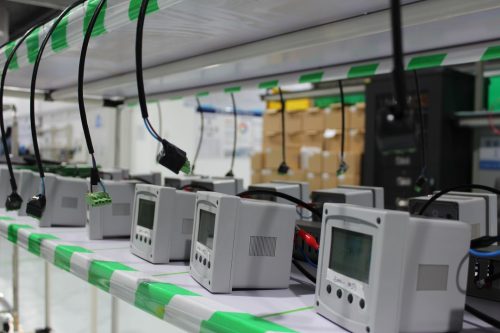




Supercritical coal-fired power plant in Indonesia struggled with severe heat exchanger corrosion due to unstable pH levels in condensate water in August 2019. Inaccurate readings led to improper chemical dosing, resulting in unscheduled downtime for pipe repairs.
The pH-ASP High-Precision pH Sensor and APX-2 Controller feature specialized glass electrodes to ensure stable ±0.1 pH accuracy in low-conductivity feedwater.

Gas-fired combined cycle power plant in Vietnam faced severe condenser scaling and reduced cooling efficiency due to inaccurate conductivity monitoring in October 2023. Excessive mineral accumulation in circulating water forced frequent manual cleaning and increased energy consumption.
The ASC Inductive Conductivity Sensor with an anti-fouling design and AEC-2 Smart Controller enables automated cooling tower blowdown to maintain optimal concentration ratios.

Power generation facilities in South Korea face catastrophic boiler tube corrosion and reduced heat transfer efficiency due to undetected conductivity spikes and mineral accumulation in their high-pressure steam loops. Managing these complex thermal cycles is constantly threatened by severe sensor fouling and polarization in highly conductive cooling water towers, forcing frequent manual cleaning shutdowns and escalating fuel consumption.
Integrating the heavy-duty ASC200-PFA toroidal inductive conductivity sensor with a dedicated AEC2-R4 controller creates a resilient tracking loop capable of enduring excessive mineral accumulation. This digital setup delivers continuous, drift-free water quality metrics directly through severe chemical fouling without polarization errors.
Find expert answers to your power plant water chemistry challenges or contact us for a customized technical quote.

English

French

German

Portuguese

Spanish