Other Sensor & Controller

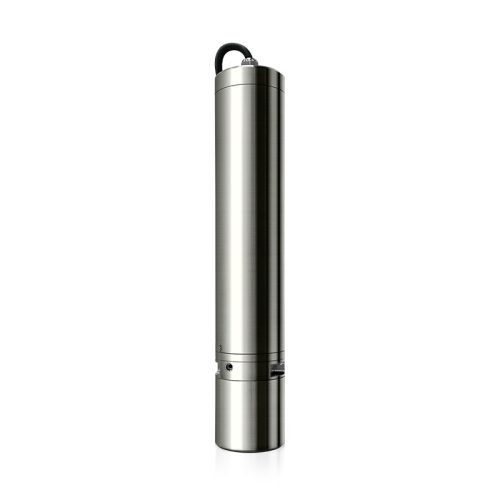
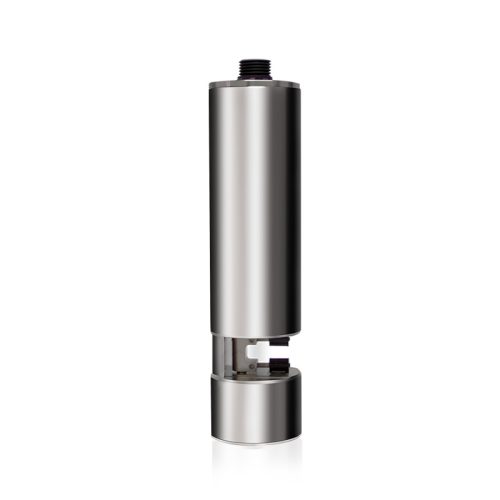
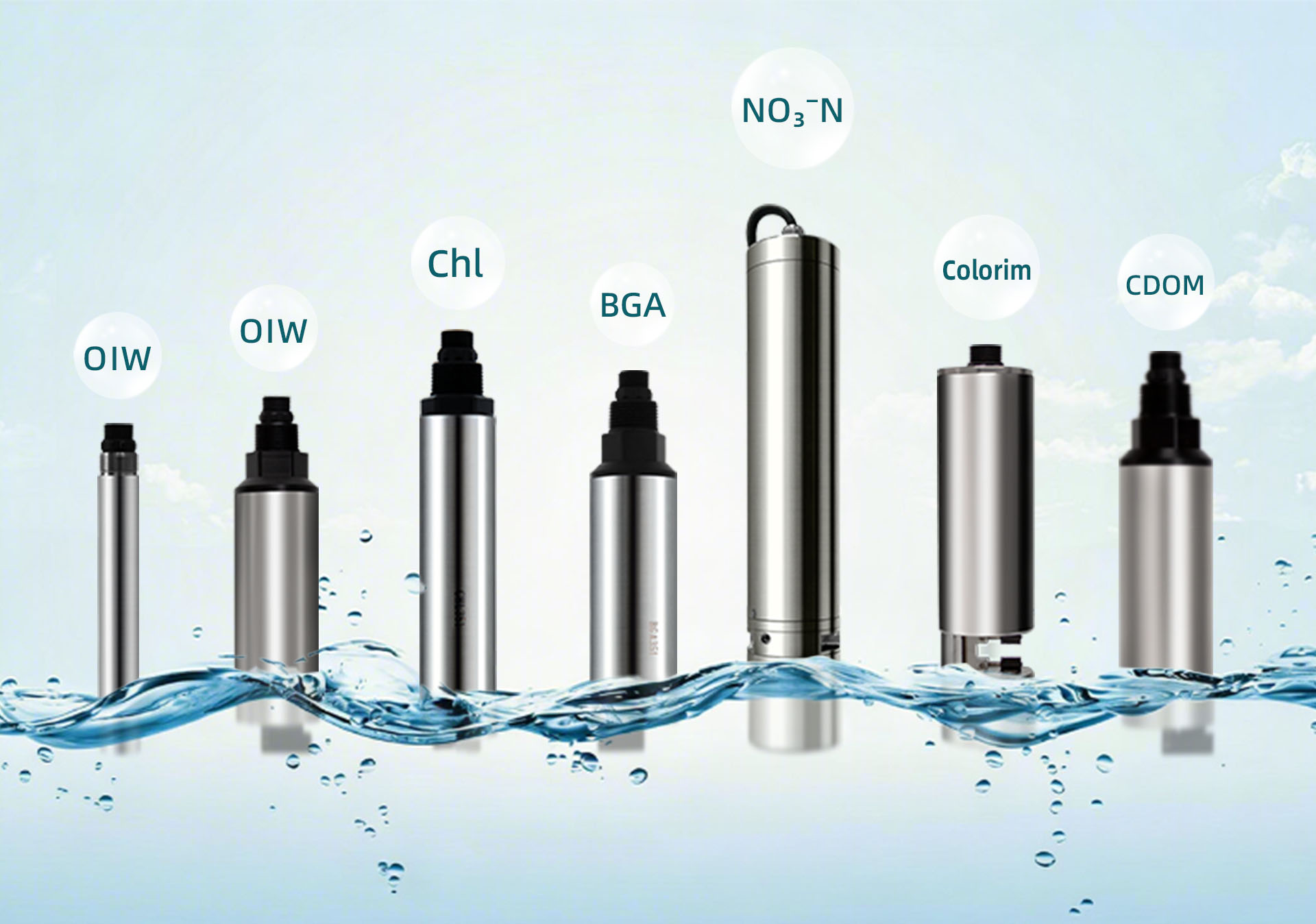
Our portfolio features high-performance sensors and controllers for Oil-in-Water, Chlorophyll, Blue-Green Algae, Nitrate-N, and CDOM detection, alongside advanced Colorimetric analyzers for complete environmental management.

Get Instant Quote
Measuring Parameter
  • Chlorophyll
  • Blue-green algae
  • Oil-in-water
  • NO3 Nitrate
  • CDOM

Other Sensor & Controller

Need custom measurement for specialized industrial parameters?

Explore our diverse range of niche sensors or connect with our technical specialists to receive a tailored project quotation for your specific process monitoring requirements.

Integrated Precision Sensing for Specialized Industrial Parameters

Our advanced sensor suite utilizes multi-wavelength fluorescence and ultraviolet absorption technologies to provide real-time, interference-free monitoring of Oil-in-Water (OIW), Chlorophyll, and Blue-Green Algae for early pollution detection and algal bloom management. Engineered for high-load process environments, our Nitrate-N (NO₃-N) and CDOM sensors deliver lab-grade accuracy via stable digital electrodes, while the integrated Colorimetric analyzers ensure chemical purity with zero-latency data integration.

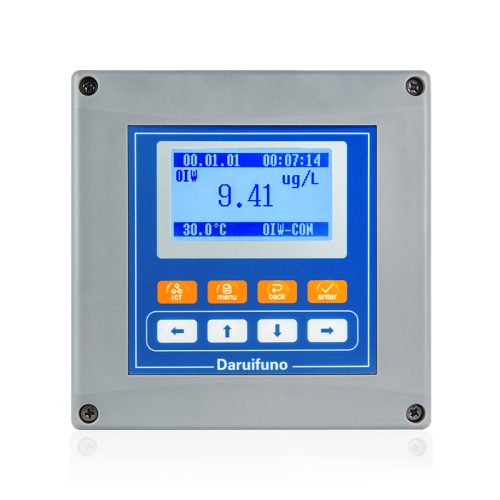
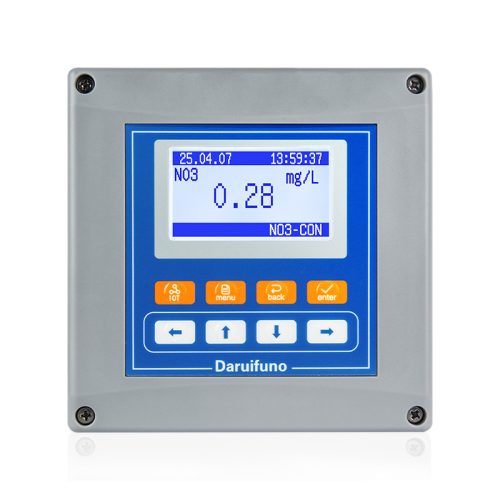
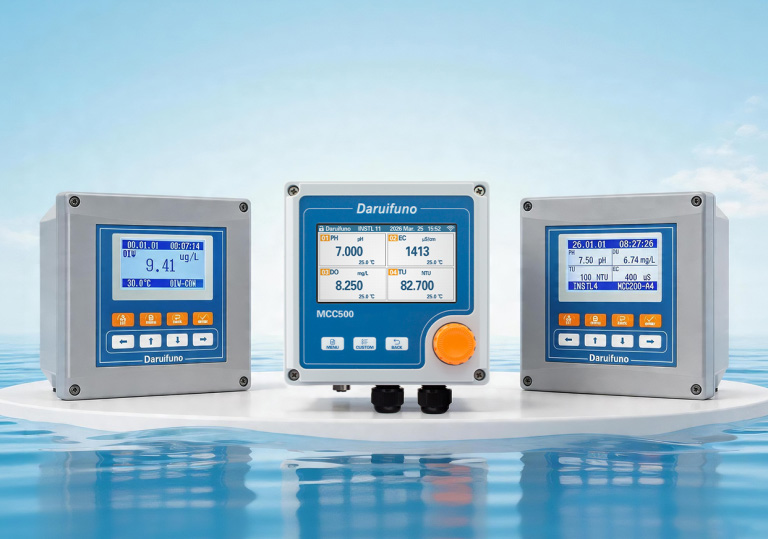
Digital Controller Selection Guide: Modular DUC vs. Centralized MCC 

Whether your project requires localized precision or large-scale data integration, our digital controller lineup provides the ideal balance of CapEx optimization and technical performance for modern industrial processes.

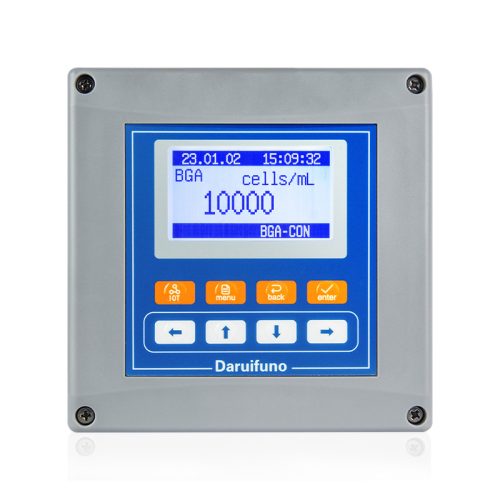
The DUC Series is the premier choice for cost-effective single-channel monitoring, offering a compact 100x100mm footprint and wide-voltage flexibility. In contrast, the MCC Series acts as a high-density data gateway, seamlessly managing up to 20 sensor nodes via a single hub to reduce system complexity and centralize complex multi-parameter analytics. All units feature robust IP66 and Modbus RTU integration. You can choose an individual sensor or a comprehensive digital network.

Transforming Water Management with Precision Monitoring

About Oil-in-Water、Chlorophyll、Blue-Green Algae、CDOM

Detection Principles: Optical Fluorescence Analysis

Our advanced sensor suite utilizes high-sensitivity optical fluorescence technology to provide real-time, reagent-free quantification of organic, biological, and hydrocarbon markers in diverse aquatic environments.

  • Oil-in-Water / Hydrocarbon Detection (UV Fluorescence): The sensor targets Polycyclic Aromatic Hydrocarbons (PAHs) by emitting ultraviolet (UV) light. When oil molecules absorb this energy, they emit fluorescence at a longer wavelength. This method allows for the detection of trace oil contamination (ppb/ppm levels) in produced water and industrial cooling loops without interference from turbidity or suspended solids.

  • Chlorophyll-a Monitoring (Fluorescence Induction): Targeting the primary photosynthetic pigment, our sensors emit a specific excitation wavelength (typically near 470nm) that causes chlorophyll molecules to fluoresce in the red spectrum. By measuring the intensity of this emitted light, the system provides a direct correlation to algal biomass and primary productivity, enabling early detection of eutrophication.

  • Blue-Green Algae / Cyanobacteria (Phycocyanin/Phycoerythrin): To specifically track harmful algal blooms (HABs), our sensors target the unique accessory pigments Phycocyanin (for freshwater) or Phycoerythrin (for marine environments). By using a dedicated excitation-emission optical loop, the system distinguishes cyanobacteria from other algae, providing a critical early warning for potential microcystin toxin releases.

  • CDOM / FDOM (Colored Dissolved Organic Matter): The sensor utilizes ultraviolet (UV) excitation to trigger fluorescence in the humic and fulvic acid components of dissolved organic matter. This non-contact measurement of Fluorescent Dissolved Organic Matter (FDOM) serves as a vital proxy for dissolved organic carbon (DOC) levels and carbon cycling, tracking domestic and industrial organic loading with lab-grade precision.

About Nitrate Nitrogen (NO₃-N) & Colorimetric

Detection Principles: Advanced Spectroscopic & Optical Absorption

Our digital sensors leverage the physical properties of light absorption to provide real-time, high-precision measurement of chemical markers without the need for manual sampling or complex reagents.

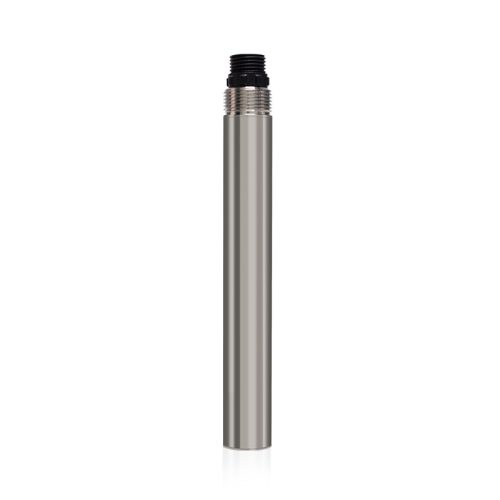
  • Nitrate Nitrogen (NO₃-N) Monitoring (UV Absorption Principle): Utilizing the high-energy ultraviolet (UV) absorption characteristic of nitrate ions, the OPNO3 sensor measures light attenuation at the 220nm wavelength. This advanced UV-Vis spectrophotometry method provides a direct linear correlation between absorbance and nitrate concentration, enabling immediate detection of nutrient levels and denitrification efficiency. The system features internal turbidity compensation by referencing a second wavelength, ensuring laboratory-grade accuracy even in challenging municipal and industrial wastewater applications.

  • Platinum-Cobalt Colorimetric Analysis (Spectral Absorption Method): Designed according to the international Hazen and Pt-Co color scales, the CLR351 sensor determines water color intensity by measuring the absorption and transmittance of light at a specific 470nm wavelength. Following the Beer-Lambert Law, the optical system quantifies the presence of dissolved substances (such as humic acids or industrial dyes) relative to a standard platinum-cobalt solution. The integrated self-cleaning brush and digital RS485 Modbus interface ensure stable, maintenance-free monitoring for drinking water standards and petrochemical process control.

Frequently Asked Questions

Get a competitive factory-direct quote and a free technical consultation within 12 hours to optimize your water treatment costs. 

1. What is the most accurate method for online Oil-in-Water (OIW) detection?
The UV fluorescence method is widely considered the most accurate for real-time monitoring as it selectively targets aromatic hydrocarbons with minimal interference from turbidity. Our OIW sensors provide continuous, reagent-free data for industrial cooling loops and produced water discharge compliance.
2. How do online sensors distinguish between Chlorophyll-a and Blue-Green Algae (BGA)?
Sensors use specific dual-channel fluorescence excitation to differentiate the unique pigments of Phycocyanin in BGA from standard Chlorophyll-a in green algae. This localized targeting allows for precise early warnings of harmful algal blooms (HABs) in source water.
3. Why is UV absorption preferred for Nitrate Nitrogen (NO₃-N) monitoring?
The 220nm UV absorption principle provides an instantaneous, chemical-free measurement that correlates directly with nitrate ion concentration in wastewater. This method eliminates the long response times and hazardous waste associated with traditional cadmium reduction titration.
4. What is CDOM and why should it be monitored in environmental water?
CDOM (Colored Dissolved Organic Matter) is a crucial proxy for dissolved organic carbon (DOC) and tracks the presence of humic substances and organic loading. Monitoring CDOM via fluorescence helps facilities manage disinfection byproduct risks and understand carbon cycling in aquatic ecosystems.
5. How does the Platinum-Cobalt (Pt-Co) colorimetric sensor work without reagents?
Our sensors utilize the spectral absorption method at a 470nm wavelength to quantify water color intensity relative to the international Hazen/Pt-Co scale. This digital approach ensures high-precision results for drinking water and petrochemical processes without any chemical consumables.
6. Can these specialized sensors be integrated into a single control hub?
Yes, all these digital sensors support RS485 Modbus-RTU and can be seamlessly managed by the MCC multi-channel controller for centralized data integration. This architecture reduces installation footprint and simplifies multi-parameter process auditing.
7. Do these sensors require frequent manual recalibration or cleaning?
Most of our sensors, such as the colorimetric and NO₃-N models, feature integrated self-cleaning brushes to prevent bio-fouling and lens scaling. The digital technology ensures minimal zero-point drift, significantly extending maintenance intervals in harsh industrial environments.
8. What is the benefit of using a digital DUC controller for a single parameter?
The DUC series single-channel controller provides a high-ROI, stand-alone solution that delivers localized real-time data without the cost of unused capacity. Its IP66-rated housing and 100x100mm footprint make it ideal for space-constrained, point-of-use monitoring stations.