Denique Antiochensis ordinis vertices sub uno elogio
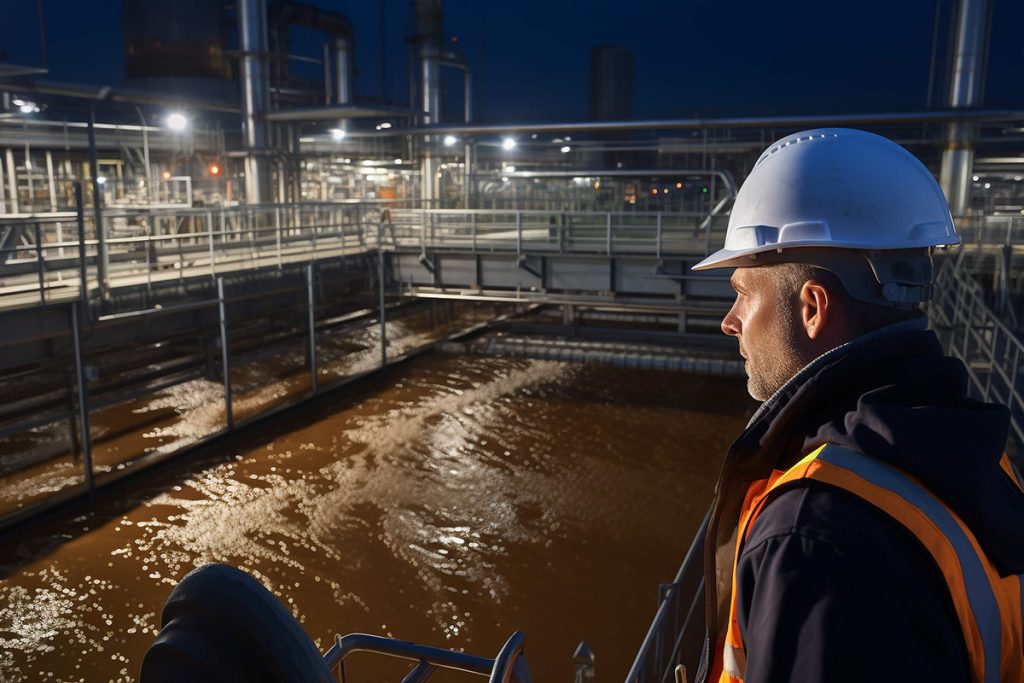
Are you also struggling with unreliable turbidity readings and compliance headaches?
In an era where regulatory pressure and environmental scrutiny are at an all-time high, the clarity of your water—or lack thereof—can cost you time, money, and reputational risk. As a water quality instrument manufacturer, we want to highlight why investing in advanced online turbidity sensors is one of the smartest moves your facility can make.
The Turbidity Challenge—backed by data
Suspended particles and turbidity cloud measurements of clarity and process performance. According to industry analysis, modern industrial turbidity sensors must cope with harsh conditions—extreme temperatures, fouling, and chemical aggression—and yet deliver real-time data to SCADA systems.
Continuous monitoring matters: a study of wastewater sensor integration found that real-time recording of parameters, including turbidity, offers far better management of treatment processes than periodic grab samples.
In a case study at a wastewater plant (Germany), our turbidity sensors equipped with an automatic rinsing connector ran for over 4 weeks without manual cleaning, compared to the daily cleaning requirements for legacy sensors.
Technology words matter: modern online turbidity sensors use nephelometry and transmissometry measurement principles to detect and quantify suspended particles, enabling robust integration into industrial control systems.
Case One: Ludwigshafen (Germany) – 2024 deployment
At a large wastewater treatment facility (serving approx. 120 million m³ per year), the challenge was biofouling and limescale buildup on sensor optics in a 6-meter-deep final effluent well. Manual cleaning was required daily, and data reliability declined rapidly. After installing our online turbidity sensors with an integrated automatic rinsing connector, the system achieved self-cleaning through periodic water flushing through the optical window. Within the first month, maintenance time declined by roughly 75%, manual cleaning intervals extended beyond 4 weeks, and turbidity data accuracy improved significantly. The downstream control teams saw fewer false turbidity alarms, and optimizing the chemical dosing made the process even more stable. The initial investment was quickly recovered through reduced maintenance expenses and greater operational reliability.
Case Two: Drinking-Water Treatment Facility (USA)—Early 2025 rollout
A large municipal drinking water plant in the United States introduced our online turbidity sensors in their filtration train to monitor clarity and optimize backwash frequency. Before the upgrade, turbines of turbidity spiked after heavy storm events, triggering manual interventions and costly chemistry changes. After using our sensors, the plant was able to cut backwash events by about 15%, reduce chemical coagulant use by around 12%, and consistently meet the clarity standard (NTU < 0.3). Operators commented that what used to be surprise excursions are now flagged in advance, with actionable dashboards rather than manual testing surprises. (See consultancy report: “Industrial Case Study: Drinking Water Treatment Facility")
Why Choose Our Online Turbidity Solutions?
Reliable data you can act on: less drift, fewer anomalies, better process control.
Lower O&M costs & fewer disruptions: extended cleaning intervals and reduced manual calibration.
Regulatory confidence: continuous turbidity monitoring positions you ahead of emerging stricter clarity and effluent standards.
Scalable for the future: sensors with digital communication, compatibility with IoT/SCADA, and remote diagnostics.
If your facility still relies on manual or periodic turbidity checks—or if you’re experiencing costly excursions, maintenance headaches, or uncertainty in your data—reach out. Let us help you design a site-specific online turbidity sensor solution to save costs, boost clarity, and secure your operations.