Disinfectant Sensor & Controller: A Complete Guide to 6 Types of Water Disinfection Monitoring
Why Is Disinfection Monitoring a Matter of Public Health?
Water disinfection is one of the most significant public health achievements in modern history. The introduction of chlorine-based disinfection in the early 20th century eliminated cholera, typhoid, and other waterborne diseases that once killed millions. Yet today, the challenge is no longer simply whether to disinfect — it is whether disinfection is being done accurately, consistently, and in real time.
Across municipal drinking water networks, swimming pools, food processing plants, and industrial facilities worldwide, the margin between safe and dangerous disinfectant levels is measured in fractions of a milligram per litre. Too high, and harmful chemical byproducts form silently in the water. Too low, and deadly pathogens multiply undetected. In both cases, the consequences fall on the people who have no idea anything is wrong — until they are already sick.
The incidents below are not worst-case scenarios. They are documented, real-world failures that occurred because disinfectant levels were not continuously and automatically monitored. They are also entirely preventable — with the right sensors and controllers in place.
The Danger of Over-Dosing: When Too Much Disinfectant Becomes a Threat
Disinfection is not a "more is better" equation. When chlorine or other disinfectants are applied at levels above the required level — even with good intentions — the consequences range from chronic, long-term health damage to acute, life-threatening emergencies.
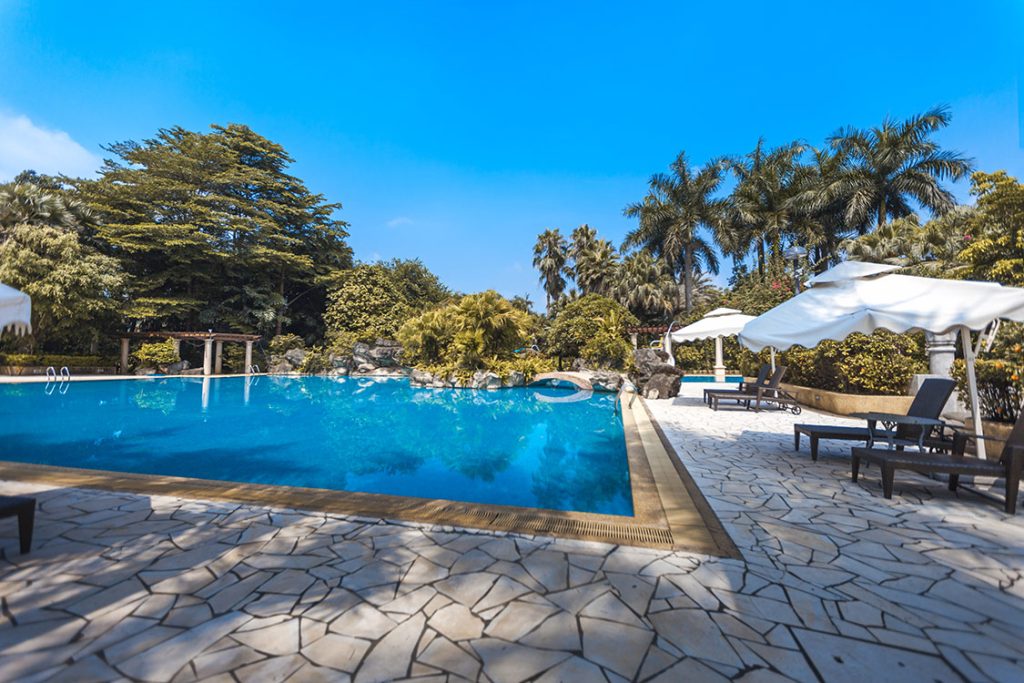
Incident: Swimming Pool — The Verona Chlorine Poisoning (March 17, 2023)
The dangers of overdosing become immediately and dramatically visible in enclosed aquatic environments, where any miscalculation has no place to hide.
On the morning of March 17, 2023, at the Monti Lessini Sports Centre in Bosco Chiesanuova, Verona, Italy, a routine pool maintenance session ended in a mass emergency. Pool workers were preparing the water for the day's swimming sessions — including a lesson for nursery school children. A miscalculation in the chlorine dosing process led to a severe overdose. Within minutes, a toxic cloud of chlorine gas rose from the surface of the water.
Emergency services were called at around 10 am. Firefighters, emergency medical personnel, and Biological, Chemical, Radiological, and Nuclear (NBCR) specialists responded to the scene. Twenty-five people, including children, were reported to have breathed in the dangerous fumes, according to the Veneto and Trentino Alto Adige Fire Brigades. Of the 25 affected, nine were nursery school children aged between 3 and 6 who were at the pool for a swimming lesson. Four swimmers were severely affected. The most seriously injured were transported by ambulance to hospitals in Negrar, Borgo Trento, and Borgo Roma, while those with milder symptoms were taken to medical centres by minibus.
Investigators concluded that the cause was straightforward: no automated monitoring system was in place to detect the chlorine spike before swimmers entered the water. If a real-time online chlorine sensor and dosing controller had been operational, the excessive concentration would have triggered an alarm and halted chemical injection automatically — before a single person was harmed.
Beyond This Case: Other Industries Face the Same Risk
Overdosing is not limited to municipal water and swimming pools. Across industries, the same fundamental problem — imprecise or infrequent disinfectant monitoring — creates serious consequences:
In the food and beverage industry, excess chlorine or peracetic acid (PAA) in cleaning-in-place (CIP) systems can leave residual disinfectant on processing surfaces and equipment. If not properly rinsed and verified, these residues contaminate the final product — affecting taste, breaking down active ingredients in beverages, and triggering costly product recalls.
In the pharmaceutical and medical device industry, residual disinfectants in purified water systems or sterilization processes can compromise the integrity of drug compounds and active pharmaceutical ingredients (APIs). Regulatory frameworks such as USP <1072> and GMP guidelines require documented, validated disinfectant concentration data at every critical control point — a requirement that simply cannot be met through manual spot-checks alone.
In industrial cooling water systems, overdosing with chlorine or bromine accelerates corrosion of metal heat exchangers and pipework, dramatically shortening equipment lifespan and increasing maintenance costs — all while adding unnecessary chemical expenditure.
The pattern is consistent across every application: without continuous, automated disinfectant monitoring, overdosing is not a question of if — it is a question of when.
The Danger of Under-Dosing: When Too Little Disinfectant Lets Pathogens Win
If overdosing creates chemical hazards, underdosing creates biological ones. Insufficient disinfectant residual in a water system does not just fail to protect — it actively creates the conditions for dangerous pathogens to multiply, spread, and reach vulnerable people.
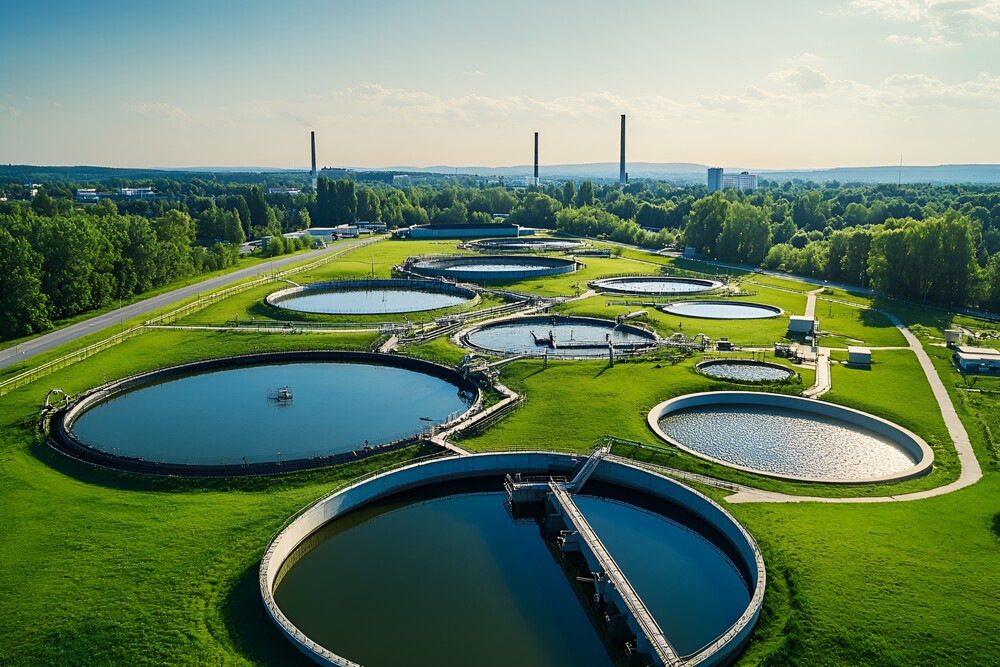
Incident 1: Municipal Water Supply — Grand Rapids, Minnesota, USA (2023–2024)
The city of Grand Rapids, Minnesota, is a community of approximately 11,000 people in the northeastern part of the state. For years, it operated its municipal water supply without chlorination — a practice permitted for groundwater systems under certain regulatory frameworks, based on the assumption that deep well water is naturally protected from contamination.
That assumption proved fatal.
Beginning in April 2023, cases of Legionnaires' disease began appearing among Grand Rapids residents. Over the following months, the outbreak grew steadily. By the time it was declared over, 34 confirmed cases had been recorded. Thirty people required hospitalization, and two people died.
Investigation by the Minnesota Department of Health (MDH) confirmed that the municipal water supply was the only common exposure among those who fell ill. The Grand Rapids Public Utilities water supply was one of the few community water systems in Minnesota that did not chlorinate its water. Legionella — the bacterium responsible for Legionnaires' disease, a severe and potentially fatal form of pneumonia — lives and grows particularly well in water that is stagnant or not treated with adequate disinfectant chemicals such as chlorine.
The response came only after the damage was done. Authorities began emergency flushing and disinfection of the distribution system. A chlorine disinfection system was installed at the public water supply and began treating the water in late June 2024. There have been no cases of Legionnaires' disease since June 2024.
The lesson is unambiguous: a water distribution network without continuous disinfectant residual monitoring is not just non-compliant — it is a ticking public health emergency. Legionella does not announce its presence. By the time manual sampling detects it, people are already sick. An online residual chlorine sensor deployed at strategic points throughout the distribution network would have detected the absence of disinfectant residual and triggered an immediate alert — weeks or months before the first patient was hospitalized.
Incident 2: Industrial Wastewater Discharge — Seattle & King County, Washington, USA (2023)
Insufficient disinfection is not limited to drinking water systems. Industrial and municipal wastewater treatment facilities face equally serious consequences when disinfectant monitoring fails at the point of discharge.
In December 2024, the Washington State Department of Ecology and the U.S. EPA jointly issued penalties against both the City of Seattle and King County for Clean Water Act violations that occurred throughout 2023. The violations were not minor administrative oversights — they went to the core of public health protection.
The Washington Department of Ecology and the EPA penalized King County $40,000 for polluted discharges from its Elliott West, Carkeek, and Alki combined sewer overflow treatment facilities. At various times, the facilities' discharges did not meet disinfection requirements or standards for pH, fecal coliform, residual chlorine, and solids. Seattle received a separate penalty totalling $71,000: $50,000 for 20 sanitary sewer overflow events and $21,000 for seven wet weather overflows caused by failures to properly operate or maintain their system.
The violations illustrate a critical operational gap: during high-flow events such as heavy rain, when treatment plants are under maximum stress, disinfection processes are precisely the most likely to be compromised. Without real-time monitoring of residual disinfectant in the effluent stream, operators have no early warning that discharge quality has fallen below permitted levels — and regulatory penalties, environmental damage, and public health risks follow.
This is not an isolated case. In May 2024, the U.S. EPA and the State of California took enforcement action against the City of San Francisco for Clean Water Act violations, citing that on average each year since 2016, the city had discharged more than 1.8 billion gallons of untreated sewage — including areas used for swimming, surfing, and fishing — without receiving disinfection treatment. The untreated sewage contained pathogens such as E. coli, which can cause severe illness, particularly in children, the elderly, pregnant women, and immunocompromised individuals.
Beyond These Two Cases: Other Industries Face the Same Under-Dosing Risk
The consequences of insufficient disinfection extend across every sector where water safety is a regulatory or operational requirement.
In swimming pools and recreational water facilities, underdosing is equally dangerous but often harder to detect. Low free chlorine levels allow pathogens such as Cryptosporidium, E. coli, and Pseudomonas aeruginosa to survive and multiply. During peak usage — when bather load is highest and disinfectant demand spikes — a pool operating on fixed dosing schedules or infrequent manual testing is most vulnerable. Outbreaks of gastrointestinal illness, ear infections, and eye infections follow predictably, often traced back to a period when chlorine residual had dropped below the minimum effective threshold without anyone noticing.
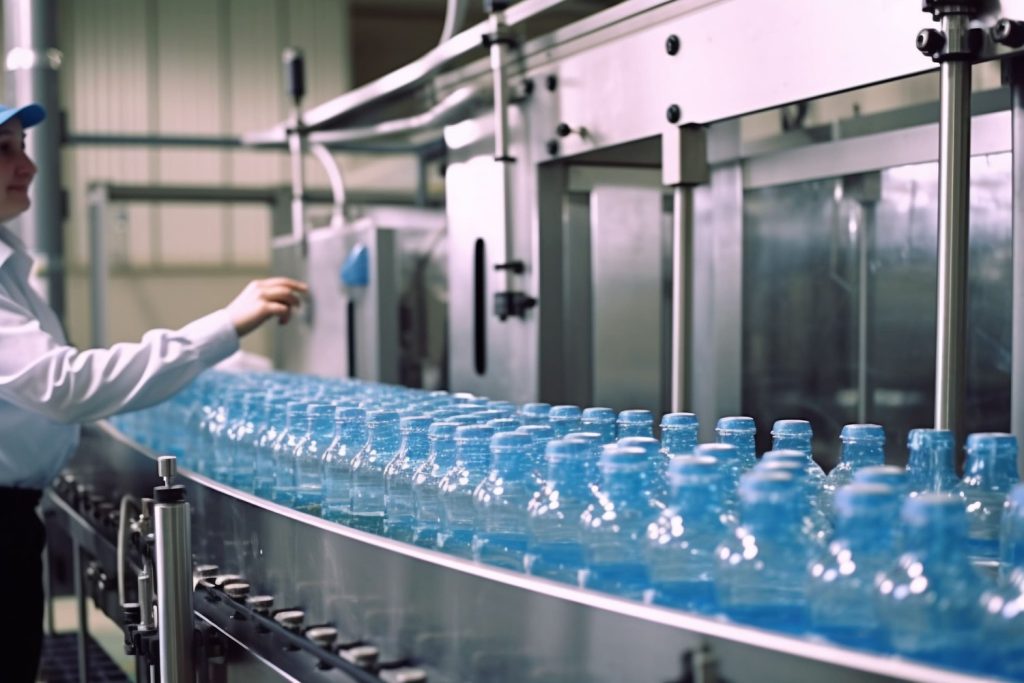
In the food and beverage industry, inadequate disinfection in process water or CIP (Clean-in-Place) circuits creates conditions for microbial contamination of the final product. A single batch of improperly disinfected rinse water in a bottling line can expose thousands of consumers to pathogenic bacteria — triggering product recalls, regulatory investigations, and lasting reputational damage. The FDA and international food safety standards require documented verification of disinfectant concentrations at critical control points, a requirement that demands continuous online measurement rather than periodic grab sampling.
In the pharmaceutical and medical device manufacturing sector, insufficient disinfection of purified water systems can introduce microbial contamination into drug products, injectable solutions, or sterile devices — with potentially life-threatening consequences for patients. GMP regulations require continuous monitoring of water quality parameters, including disinfectant residual, with full audit trails retained for regulatory inspection.
The underlying principle across all these applications is identical: disinfectant residual cannot be assumed — it must be measured, continuously, in real time. A momentary drop in concentration, undetected by periodic manual sampling, is all it takes for pathogens to gain a foothold, for a regulatory violation to occur, or for a public health event to unfold.
Regulatory Requirements: The Global Framework for Disinfectant Monitoring
Disinfectant monitoring is not optional — it is a legal obligation enforced by regulatory authorities across every major region of the world. The following standards define the minimum requirements that water operators, pool managers, food processors, and industrial facilities must meet.
International: WHO Guidelines for Drinking-Water Quality (4th Edition)
The World Health Organization's Guidelines for Drinking-Water Quality are the foundational reference for drinking water safety globally. According to the WHO Guidelines, for effective disinfection, there should be a residual concentration of free chlorine of ≥ 0.5 mg/L after at least 30 minutes of contact time at a pH below 8.0. A chlorine residual should be maintained throughout the distribution system. At the point of delivery, the minimum residual concentration of free chlorine should be 0.2 mg/L.
This 0.2–0.5 mg/L window at the point of consumption is the globally accepted benchmark — and staying within it across an entire distribution network requires continuous, automated measurement.
United States: EPA Method 334.0 & Safe Drinking Water Act (SDWA)
In the United States, residual chlorine in drinking water is regulated under the Safe Drinking Water Act, enforced by the U.S. EPA. The EPA sets a Maximum Residual Disinfectant Level (MRDL) of 4.0 mg/L for chlorine in finished drinking water.
For compliance monitoring methodology, in September 2009, the U.S. EPA published Method 334.0: Determination of Residual Chlorine in Drinking Water Using an On-Line Chlorine Analyzer — the first EPA method specifically designed for online instrumentation, establishing the performance criteria and quality control requirements for continuous automated chlorine monitoring at water treatment facilities.
EPA Method 334.0 is intended for use when chlorine residuals are in the range of 0.2 mg/L to 4 mg/L. All community water systems and non-transient non-community water systems using chlorine are required to follow Method 334.0 for compliance monitoring at both the entry point and throughout the distribution system.
European Union: Directive (EU) 2020/2184
The European Union updated its drinking water framework with Directive (EU) 2020/2184, adopted on December 16, 2020, replacing the previous 1998 directive (98/83/EC). The revised Drinking Water Directive entered into force on January 12, 2021, requiring all EU Member States to transpose its provisions into national legislation by January 2023. It sets stricter monitoring requirements for water quality, introduces a risk-based approach aligned with Water Safety Plans, and strengthens requirements for disinfection treatment and chemical management.
Critically, the new directive also tightens limits on disinfection byproducts: the EU Directive 2020/2184 maintains the existing limit for trihalomethanes (THMs) at 100 µg/L and introduces new limits for haloacetic acids (HAAs) at 60 µg/L, chlorate and chlorite both set at 0.25 mg/L, and bromate at 10 µg/L — parameters that can only be consistently managed through real-time online monitoring of disinfectant dosing.
Additional Industry-Specific Standards
Beyond drinking water, disinfectant monitoring is governed by sector-specific frameworks that carry equally binding compliance obligations:
USP <1072> (U.S. Pharmacopeia — Disinfectants and Antiseptics): Establishes requirements for the validation and monitoring of disinfectant concentration in pharmaceutical manufacturing environments, including purified water systems and cleanroom surfaces.
EN 13615 / EN 16615 (European Committee for Standardization): Defines quantitative test methods for evaluating the bactericidal and yeasticidal activity of chemical disinfectants used on non-porous surfaces — forming the basis for surface disinfectant validation in food, medical, and industrial settings across Europe.
AOAC Official Methods of Analysis: The internationally recognized framework for validating disinfectant efficacy testing methods, widely referenced in food safety and healthcare facility compliance programs.
The Compliance Gap: Why Regulations Demand Online Monitoring
Across all of these regulatory frameworks, a common thread emerges: periodic manual sampling is structurally inadequate for compliance. Distribution networks span kilometers. Disinfectant residual decays continuously along the pipe. Demand fluctuates with usage patterns, temperature, and source water quality. Continuous monitoring of water quality provides operational advantages and improves public health protection by giving operators real-time information to control treatment processes such as disinfection and turbidity removal — a capability that no manual testing program can replicate.
For any facility operating under these regulatory frameworks, online disinfectant sensors and automated controllers are not a convenience — they are the only technically viable path to sustained compliance.
Types of Disinfectants & What Needs to Be Measured
Understanding the risks of improper disinfection is only the first step. The next critical question is: what exactly needs to be measured — and why does it differ depending on which disinfectant your system uses?
Not all disinfectants behave the same way in water. Each has a different chemical form, a different detection method, and a different set of regulatory thresholds. Choosing the wrong sensor for your disinfectant type is as problematic as having no sensor at all.
The Most Common Disinfectants in Water Treatment
Chlorine-Based Disinfectants (Most Widely Used)
Chlorine remains the world's most widely deployed water disinfectant, accounting for the majority of municipal drinking water treatment globally. Its effectiveness, low cost, and ability to maintain a measurable residual throughout a distribution network make it the benchmark against which all other disinfectants are compared.
Free Chlorine (HOCl / OCl⁻)
When chlorine is dissolved in water, it forms hypochlorous acid (HOCl) and hypochlorite ion (OCl⁻) — collectively referred to as free chlorine. HOCl is the dominant bactericidal species, up to 80 times more effective as a disinfectant than OCl⁻. The ratio between the two is governed by pH: at pH 7.5, the two forms exist in roughly equal proportions; as pH rises, OCl⁻ dominates, and disinfection efficiency drops significantly. Free chlorine is the primary measurement parameter for drinking water compliance and swimming pool safety monitoring.
Total Chlorine (Free Chlorine + Combined Chlorine)
Total chlorine is the sum of free chlorine and combined chlorine (chloramines). In wastewater treatment and industrial discharge monitoring, total chlorine is the regulated parameter, since chloramines contribute to the overall disinfection capacity of the treated effluent. In drinking water systems, the gap between total chlorine and free chlorine indicates the level of chloramine formation — a useful diagnostic for distribution network biofilm activity.
Combined Chlorine / Chloramines (NH₂Cl)
When free chlorine reacts with ammonia or nitrogen-containing compounds — naturally present in source water or introduced as body waste in swimming pools — it forms chloramines. Chloramines dissipate more slowly than free chlorine, making them effective as a secondary disinfectant residual in long-distance pipe networks. However, they are weaker biocides and are associated with eye and respiratory irritation in enclosed pool environments. Monitoring combined chlorine separately from free chlorine is essential for both pool water quality management and distribution system optimization.
Chlorine Dioxide (ClO₂)
Chlorine dioxide is a powerful oxidizing disinfectant with one critical advantage over chlorine: its efficacy is largely independent of pH. While chlorine's bactericidal performance degrades significantly at pH above 8.0, chlorine dioxide maintains consistent disinfection capacity across a pH range of 6 to 10. It does not react with ammonia or organic nitrogen to form chloramines and produces significantly lower levels of trihalomethanes (THMs) compared to chlorine — making it increasingly preferred for drinking water advanced disinfection and compliance with strict DBP limits under EU Directive 2020/2184.
Primary applications include municipal drinking water treatment plants handling high-alkalinity or high-pH source water, pulp and paper mill process water disinfection, and food processing facilities requiring broad-spectrum pathogen control without DBP formation.
Ozone (O₃)
Ozone is the strongest oxidizing disinfectant available in water treatment, with a disinfection potential approximately 50 times greater than chlorine. It inactivates a broad spectrum of pathogens — including chlorine-resistant Cryptosporidium and Giardia — and degrades rapidly in water without leaving chemical residuals, making it the preferred choice for bottled water production, high-end beverage processing, and pharmaceutical-grade water systems where residual disinfectant contamination is unacceptable.
However, ozone's instability is also its measurement challenge. Because it decomposes rapidly, ozone concentration in water must be monitored continuously and in real time using dedicated electrochemical sensors installed directly in the process stream. Grab sampling is not a viable monitoring approach for ozone systems.
Peracetic Acid (PAA, CH₃CO₃H)
Peracetic acid is an increasingly preferred disinfectant in industries where chemical residues in final products are a critical concern. It decomposes into acetic acid, water, and oxygen — leaving no toxic breakdown products — making it environmentally favorable and compatible with food contact surfaces, medical device sterilization, and direct product applications.
PAA is widely used in food and beverage CIP (Clean-in-Place) systems, dairy processing, fruit and vegetable washing, and medical device disinfection. Its concentration must be precisely controlled: too low and microbial efficacy is compromised; too high and equipment corrosion and product contamination risks increase. Dedicated PAA sensors using amperometric electrochemical measurement provide the real-time control necessary for CIP validation and regulatory compliance.
Hydrogen Peroxide (H₂O₂)
Hydrogen peroxide is used as a disinfectant and oxidizing agent in applications where chemical purity is paramount. It decomposes to water and oxygen, leaving no residual contamination — a critical requirement in semiconductor ultrapure water systems, food packaging sterilization (aseptic filling lines), and pharmaceutical clean-in-place processes. It is also used in combination with UV irradiation in advanced oxidation processes (AOP) for trace contaminant removal in water reuse applications.
Bromine (Br₂ / BCDMH)
Bromine offers a significant stability advantage over chlorine in high-temperature water environments. At temperatures above 40°C — typical of hot tubs, therapeutic pools, and spa facilities — chlorine volatilizes rapidly and loses residual effectiveness. Bromine remains active across a wider temperature and pH range, making it the standard disinfectant choice for spa and wellness water systems. It is also widely used in industrial cooling towers, where it provides effective Legionella control under the thermal and chemical conditions that reduce chlorine efficiency.
Summary Comparison Table
| Disinfectant | Key Application | pH Sensitivity | Residual Stability | Typical Measurement Range |
|---|---|---|---|---|
| Free Chlorine | Drinking water, pools | High | Moderate | 0.01–20 mg/L |
| Total Chlorine | Wastewater, industrial | High | Moderate | 0.01–20 mg/L |
| Chloramine | Long-distance pipe networks | Low | High | 0.01–10 mg/L |
| Chlorine Dioxide | High-pH drinking water, food | Very Low | Low–Moderate | 0.01–10 mg/L |
| Ozone | Bottled water, pharma | Very Low | Very Low | 0.01–5 mg/L |
| Peracetic Acid | Food CIP, medical devices | Low | Low | 0.1–100 mg/L |
| Hydrogen Peroxide | Semiconductor, aseptic filling | Low | Moderate | 0.1–100 mg/L |
| Bromine | Spas, cooling towers | Low | High (high temp) | 0.05–20 mg/L |
Each of these disinfectants requires a dedicated sensor technology, which brings us to the core question of how modern disinfectant sensors actually work.
What Is a Disinfectant Sensor? Types and Working Principles
With a clear understanding of which disinfectants are used across different applications, the next question becomes equally important: how are these disinfectants actually measured in real time?
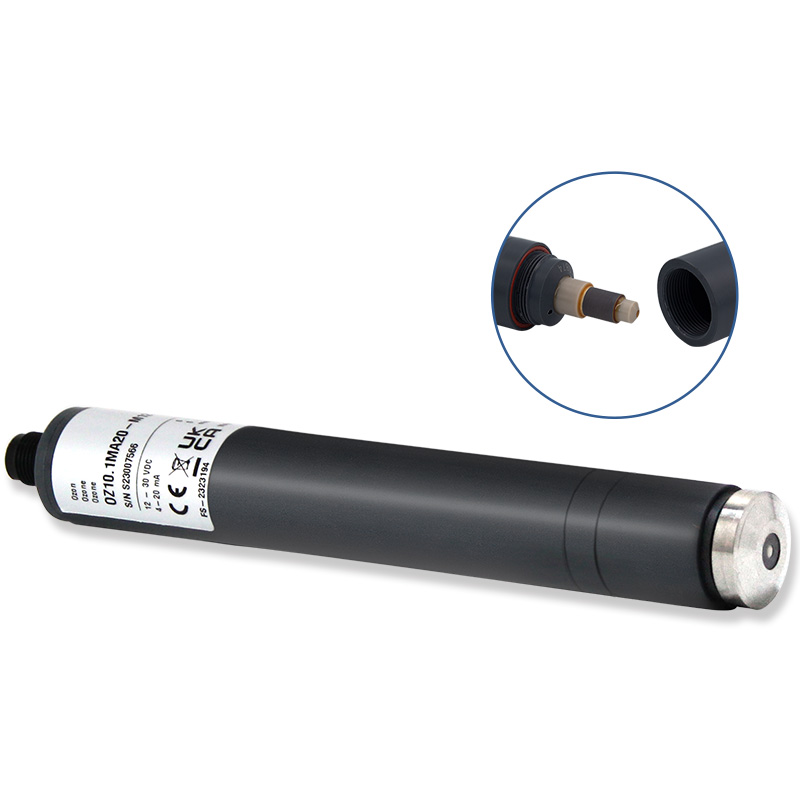
The answer lies in the sensor technology itself. Different disinfections require different detection principles — and selecting the right measurement method directly determines the accuracy, maintenance burden, and long-term reliability of your entire monitoring system.
Amperometric Method (Electrochemical) — The Industry Standard
Working Principle
The amperometric method is the most widely deployed technology for continuous online disinfection monitoring. It operates on a direct electrochemical principle: the disinfectant molecule is reduced at the surface of a working electrode (cathode), generating an electrical current that is directly proportional to the disinfectant concentration in the sample.
The core electrochemical reaction at the cathode for free chlorine is:
HOCl + H⁺ + 2e⁻ → Cl⁻ + H₂O
At the anode (reference electrode, typically Ag/AgCl):
Cl⁻ + Ag → AgCl + e⁻
A fixed DC voltage is applied between two electrodes. At the working electrode (cathode), hypochlorous acid (HOCl) undergoes reduction back to chloride (Cl⁻). The resulting current — measured in nanoamperes — is directly proportional to the concentration of chlorine in solution.
Membrane vs. Membrane-Free Design
Two configurations exist in practice:
In the membrane amperometric design, a gas-permeable PVDF membrane separates the electrode chamber from the sample. Only uncharged HOCl molecules diffuse through the membrane, while hypochlorite ions (OCl⁻) are repelled by their negative charge. This makes the measurement highly selective for free chlorine and largely independent of interference from other oxidants. The membrane requires periodic replacement — typically every 3 to 6 months, depending on water quality.
In the membrane-free amperometric design, the electrode is in direct contact with the flowing sample. This eliminates membrane maintenance but introduces greater sensitivity to sample flow rate and pH variation. A flow cell is required to maintain a consistent, controlled flow over the electrode surface.
pH Dependency
The amperometric method has one important operational parameter: pH. Because only HOCl (not OCl⁻) is electrochemically active at the electrode, the measured current reflects only the HOCl fraction of total free chlorine. Since the HOCl/OCl⁻ equilibrium is governed by pH — with HOCl dominant below pH 7.5 — accurate free chlorine measurement by amperometry requires either pH control of the sample or simultaneous pH compensation by the instrument.
Applicable Disinfectants
Free chlorine, total chlorine (with KI addition), chlorine dioxide, ozone, bromine, peracetic acid, and hydrogen peroxide — amperometry is the primary detection technology for all major oxidizing disinfectants, with electrode material and applied potential adjusted for each specific analyte.
Advantages
Reagent-free continuous operation, fast response time (typically under 60 seconds), suitable for direct in-line or flow-cell installation, long operational lifespan, compatible with 4–20 mA and RS485/Modbus output for SCADA integration.
Working Principle
The colorimetric DPD (N, N-diethyl-p-phenylenediamine) method has been the reference standard for chlorine measurement since its introduction in 1957. It is based on a specific oxidation-reduction reaction between free chlorine and the DPD reagent in a buffered aqueous sample.
When free chlorine is present, HOCl oxidizes DPD to form a colored semiquinoid radical cation (DPD•⁺) — producing a characteristic pink-red color. The intensity of the color is directly proportional to the free chlorine concentration:
DPD + HOCl → DPD•⁺ (pink/red) + Cl⁻ + H⁺
The color produced is measured by spectrophotometric absorbance at 515 nm. The analytically useful calibration range is 0.05–4 mg/L for free chlorine. Total chlorine can be determined by the same method through the addition of catalytic amounts of potassium iodide (KI) to the sample, followed by a second absorbance reading. The combined chlorine concentration is calculated as the difference between total and free chlorine values.
This two-step approach makes the DPD method uniquely capable of simultaneously quantifying free chlorine, combined chlorine (chloramines), and total chlorine from a single sample — a capability that no amperometric sensor can replicate directly.
Laboratory vs. Online Application
In laboratory settings, the DPD method is performed manually using portable colorimeters, benchtop photometers, or test kits. It is EPA-accepted under Standard Methods for the Examination of Water and Wastewater, Section 4500-Cl G, and is widely used for compliance grab sampling and calibration verification of online analyzers.
In online continuous monitoring applications, automated DPD analyzers replicate the reagent addition and photometric measurement cycle automatically at set intervals — typically every 5 to 15 minutes. This provides periodic discrete measurements rather than truly continuous real-time data and requires a reagent supply system, waste handling, and regular consumable replenishment.
pH Independence — A Key Advantage Over Amperometry
Unlike amperometric sensors, the DPD colorimetric reaction measures all forms of free chlorine (both HOCl and OCl⁻) after conversion to a colored product — making it independent of sample pH within the working range. This is a significant practical advantage in high-pH applications such as seawater desalination, cooling towers, or alkaline industrial process water, where amperometric measurement accuracy requires pH compensation.
Limitations
The DPD method requires a continuous supply of chemical reagents, generates small volumes of chemical waste, and has a higher operating cost than reagent-free amperometric sensors. At concentrations above 100 µmol/L, a decrease in absorbance at 515 nm introduces measurement ambiguity — a phenomenon known as "fading" or "bleaching" — which limits the practical upper measurement range of standard DPD colorimetry.
Applicable Disinfectants
Free chlorine, total chlorine, combined chlorine (chloramines), and bromine. Not applicable for ozone, chlorine dioxide, peracetic acid, or hydrogen peroxide without modified reagent systems.
ORP / Oxidation-Reduction Potential Method (Redox)
Working Principle
ORP (Oxidation-Reduction Potential), also known as Redox potential, measures the overall electron transfer activity of a water sample — expressed in millivolts (mV). It does not measure disinfectant concentration directly. Instead, it measures the net oxidizing power of the water: the greater the concentration of oxidizing agents such as HOCl, the higher the ORP reading.
The measurement is based on the Nernst equation. A noble metal electrode (typically platinum) is immersed in the sample alongside a reference electrode (Ag/AgCl). The potential difference between the two electrodes reflects the balance between oxidizing and reducing species in solution:
E = E° + (RT/nF) × ln([Ox]/[Red])
Where E is the measured potential (mV), E° is the standard electrode potential, R is the gas constant, T is the temperature, n is the number of electrons transferred, F is Faraday's constant, and [Ox]/[Red] is the ratio of oxidized to reduced species.
What ORP Measures — and What It Does Not
This distinction is critical for correct application. ORP is not a direct measurement of chlorine concentration in parts per million. It provides insight into the general sanitation level and the overall effectiveness of the disinfectant as an oxidizer, since chlorine is not the only factor contributing to ORP levels.
In practical terms, ORP reflects the biocidal effectiveness of the water rather than the chemical concentration of any single disinfectant. Two water samples with identical free chlorine concentrations can have significantly different ORP values if their pH levels differ — because pH governs the HOCl/OCl⁻ equilibrium, and only HOCl contributes strongly to ORP.
Recommended Operating Ranges
For swimming pools, the oxidation potential should be maintained at 750 mV or higher for effective disinfection. The chlorine ORP measurement is strongly pH-dependent: as pH increases, ORP decreases, because a higher pH shifts the equilibrium from HOCl toward OCl⁻, which has far weaker oxidizing power. For drinking water distribution systems, an ORP of approximately 650 mV is generally considered sufficient for adequate microbial control.
Applicable Disinfectants & Key Limitations
ORP sensors are compatible with all oxidizing disinfectants — chlorine, bromine, chlorine dioxide, ozone — making them versatile for multi-disinfectant environments. However, because ORP is an indirect and composite measurement, it cannot distinguish between disinfectant types, cannot report a specific concentration in mg/L, and cannot be used for regulatory compliance reporting where a specific disinfectant concentration is required by law.
For this reason, ORP is best deployed as a supplementary real-time indicator alongside a direct amperometric or colorimetric sensor — providing rapid early warning of a disinfection failure while the primary sensor delivers concentration data for compliance purposes.
UV Absorption Method
Working Principle
The UV absorption method exploits the fact that certain disinfectant molecules — most notably ozone (O₃) and chlorine dioxide (ClO₂) — have strong, characteristic absorption bands in the ultraviolet spectrum. By measuring the attenuation of UV light passing through a water sample at a specific wavelength, the concentration of the target disinfectant can be calculated directly using the Beer-Lambert Law:
A = ε × c × l
Where A is the measured absorbance, ε is the molar extinction coefficient of the disinfectant at the measurement wavelength (L·mol⁻¹·cm⁻¹), c is the concentration (mol/L), and l is the optical path length (cm).
Ozone at 254 nm — The Primary Application
Ozone exhibits its strongest UV absorption at approximately 254 nm — a wavelength produced with near-perfect efficiency by low-pressure mercury arc lamps. The most prominent UV absorption band of ozone occurs around 254 nm (the Hartley band), and UV absorption at this wavelength has become the standard analytical method for ozone measurement, recognized by international entities including the IOA, EPA, and NIST as the standard method for measuring ozone concentration.
In an online ozone UV analyzer, a mercury lamp emits light at 254 nm through a flow-through quartz cell containing the water sample. A photodetector on the opposite side measures the transmitted light intensity. The instrument calculates ozone concentration from the difference in absorbance relative to a blank reference, applying the known molar extinction coefficient of ozone at 254 nm (ε = 3,300 L·mol⁻¹·cm⁻¹ in aqueous solution).
Online UV-Vis spectrophotometers offer the distinct advantage of being reagent-free, requiring no sample pre-treatment, and providing continuous measurements — enabling rapid detection of water quality events and allowing quicker operational responses compared to conventional monitoring methods.
Chlorine Dioxide (ClO₂) Measurement
Chlorine dioxide also absorbs UV light, with peak absorption at approximately 360 nm. Online ClO₂ analyzers based on UV absorption operate on the same Beer-Lambert principle, providing continuous, reagent-free measurement particularly suited to drinking water advanced disinfection applications where ClO₂ is used as a primary disinfectant.
Key Advantages Over Other Methods
The UV absorption method is entirely reagent-free, requires no electrodes to replace, and produces no chemical waste. It is not subject to the electrode fouling or membrane degradation that affects amperometric sensors in high-turbidity or high-organic-load environments. Calibration stability is high because the measurement is referenced to a fundamental physical constant — the molar extinction coefficient — rather than to an electrochemical reaction that changes with electrode surface condition.
Limitations
UV absorption measurement is sensitive to sample turbidity and the presence of other UV-absorbing compounds (such as dissolved organic matter, nitrate, and iron), which can interfere with the signal. Effective optical path management and periodic cleaning of the quartz measurement cell are required to maintain accuracy in complex water matrices.
Applicable Disinfectants
Primarily ozone (O₃) and chlorine dioxide (ClO₂). Not applicable for free chlorine or chloramine monitoring, where amperometric or colorimetric methods are required.
Comparison of the 4 Disinfectant Measurement Methods
| Amperometric | Colorimetric (DPD) | ORP (Redox) | UV Absorption | |
|---|---|---|---|---|
| Measurement Type | Direct concentration (mg/L) | Direct concentration (mg/L) | Indirect oxidizing power (mV) | Direct concentration (mg/L) |
| Reagent Required | ❌ None | ✅ DPD reagent | ❌ None | ❌ None |
| Response Time | < 60 seconds | 5–15 minutes | < 30 seconds | < 30 seconds |
| pH Sensitivity | High (compensation needed) | Low (pH-independent) | Very High | Low |
| Measurement Accuracy | ±0.05 mg/L | ±0.02 mg/L | N/A (mV only) | ±0.01 mg/L |
| Maintenance Frequency | Low–Medium (membrane replacement every 3–6 months) | High (daily reagent refill, waste disposal) | Low (electrode cleaning) | Low (quartz cell cleaning) |
| Operating Cost | Low | Medium–High | Very Low | Low |
| Applicable Disinfectants | Cl₂, ClO₂, O₃, PAA, H₂O₂, Br₂ | Cl₂, Total Cl, Br₂ | All oxidizing disinfectants | O₃, ClO₂ |
| Regulatory Compliance | ✅ EPA Method 334.0 | ✅ Standard Methods 4500-Cl G | ❌ Not for compliance reporting | ✅ EPA/IOA/NIST recognized |
| Best For | Drinking water, pools, industrial continuous monitoring | Lab reference, grab sample verification | Pool water quality management, early warning | Ozone systems, bottled water, pharma |
| Limitations | pH compensation required for free Cl₂ | Reagent cost, chemical waste, slower response | Cannot report mg/L concentration | Sensitive to turbidity and dissolved organics |
No single method fits every application. In most professional water treatment systems, amperometric sensors serve as the primary continuous monitoring technology, while DPD colorimetric analysis provides the reference calibration standard, and ORP adds a fast-response early warning layer for pool and industrial applications.
What Is a Disinfectant Controller?
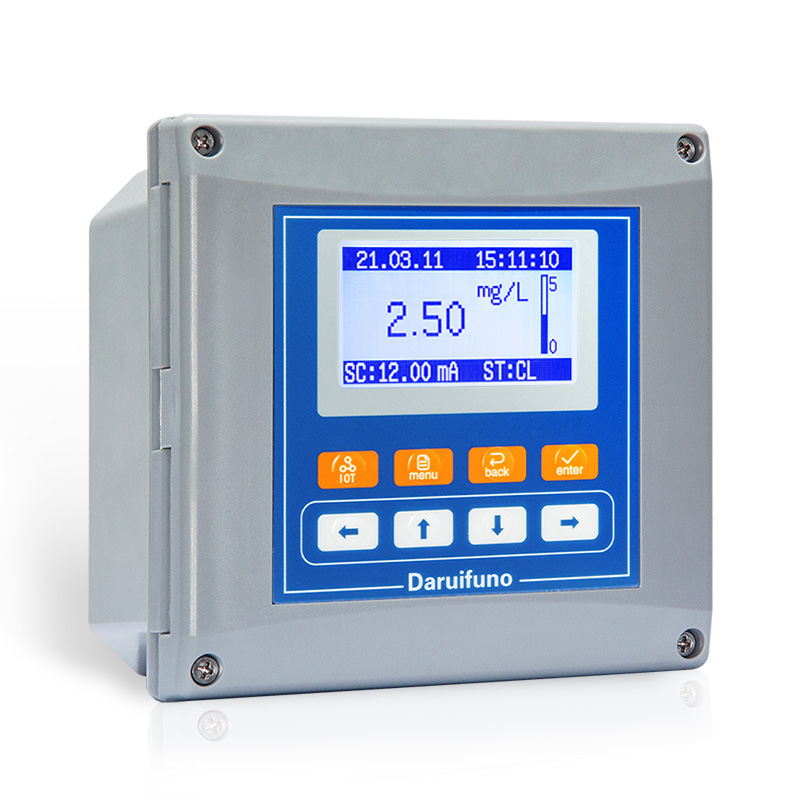
A disinfectant sensor measures — a disinfectant controller acts. The two work together as a closed-loop system: the sensor continuously feeds real-time concentration data to the controller, and the controller automatically adjusts chemical dosing to keep levels within the target range, without any manual intervention.
Sensor vs. Controller: The Key Difference
The sensor is the measurement device — installed in the water stream via a flow cell or direct immersion, it outputs a continuous signal representing the current disinfectant concentration. The controller is the decision-making unit — it receives the sensor signal, compares it against the operator-set target value, and sends a corrective output signal to a dosing pump or solenoid valve to increase or decrease chemical feed accordingly.
Together, they form a complete automatic disinfection control loop: measure → compare → correct → repeat.
How the Controller Drives Automatic Dosing
When the measured disinfectant concentration falls below the setpoint, the controller activates the dosing pump to inject more disinfectant. When concentration rises above the upper limit, the pump is switched off or throttled back. More advanced controllers implement PID (Proportional-Integral-Derivative) control, which modulates the dosing rate proportionally rather than simply switching on and off — delivering tighter concentration control and avoiding the overshoot that causes DBP formation.
Digital vs. Analog Output: RS485/Modbus vs. 4–20mA
Controllers communicate with dosing equipment and plant management systems via two primary signal types:
4–20mA analog output is the traditional standard — a continuous current signal where 4mA represents zero concentration and 20mA represents full scale. It is simple, reliable, and compatible with virtually all legacy dosing pumps and PLC inputs.
RS485 / Modbus RTU digital output is the modern standard for industrial integration. It transmits precise numerical data over long cable runs, supports multi-device networks on a single cable, and integrates directly with SCADA systems, building management systems, and IoT monitoring platforms — enabling remote monitoring, data logging, and alarm management from a central control room.
For new installations, digital Modbus output is strongly preferred for its accuracy, noise immunity, and compatibility with modern plant automation infrastructure.
Where Disinfectant Sensors & Controllers Are Used: 6 Key Industry Applications
The science of disinfectant measurement only delivers value when it is applied in the right place, at the right point in the process. Across six major industries, the consequences of getting this wrong — whether through overdosing or underdosing — are well documented, and the case for continuous automated monitoring is equally clear in each.
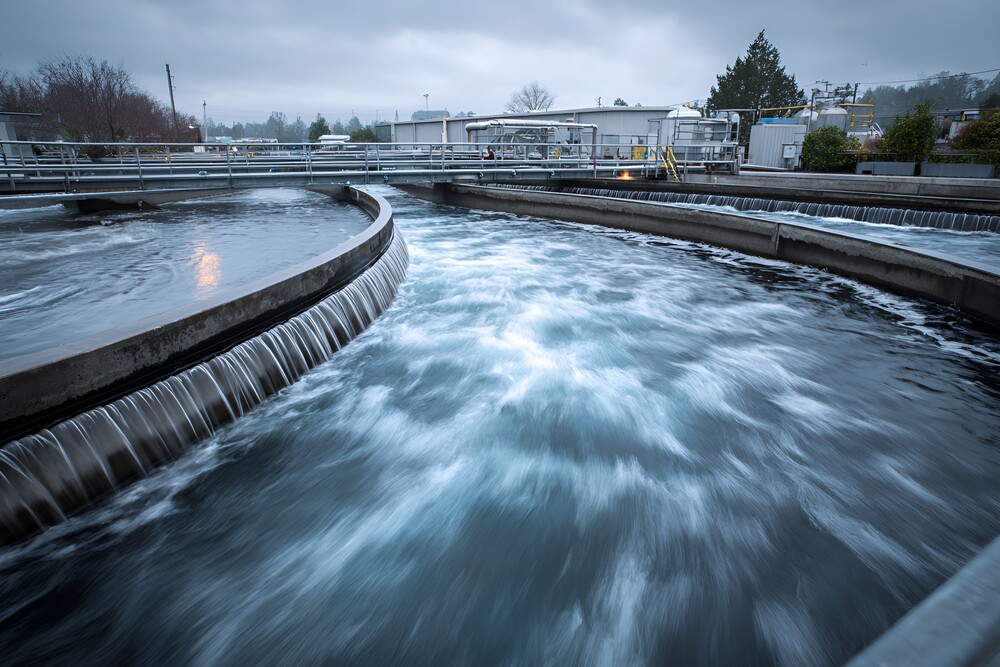
Municipal Drinking Water Treatment Plants
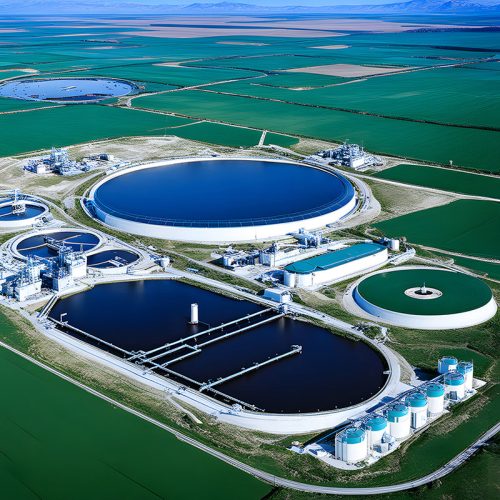
Municipal drinking water systems present one of the most demanding disinfectant monitoring challenges: a single treatment plant may serve hundreds of thousands of people through a distribution network spanning dozens of kilometers, with residual chlorine decaying continuously as water travels from the treatment facility to the end consumer's tap.
Dual-Point Monitoring: Plant Outlet + Distribution Network Endpoints
Effective residual chlorine management in a municipal system requires monitoring at a minimum of two critical points. At the plant outlet (entry point), the chlorine dose is set to ensure sufficient residual enters the network. At distribution network endpoints — the furthest points from the treatment plant — sensors verify that adequate residual has survived the transit through the pipe network to reach consumers. The gap between these two readings defines the chlorine decay rate of the specific network, which varies with pipe material, water temperature, organic load, and transit time.
This dual-point strategy is not optional in most regulatory frameworks. Under the U.S. EPA Safe Drinking Water Act, community water systems are required to maintain a measurable disinfectant residual throughout the distribution system and to monitor at representative points within the network — not just at the treatment plant outlet.
Chlorine Decay Modeling and Booster Chlorination
In large networks, a single dosing point at the treatment plant is insufficient to maintain residual above the WHO minimum of 0.2 mg/L at all endpoints. Water utilities deploy booster chlorination stations at intermediate points in the network — secondary dosing points that replenish residual that has decayed during transit. Each booster station requires its own online residual chlorine sensor and controller to manage dosing automatically based on real-time measurement rather than fixed schedules.
SCADA Integration
In modern municipal water systems, all online sensors and controllers are integrated into a SCADA (Supervisory Control and Data Acquisition) system via RS485/Modbus communication. This allows operators to monitor disinfectant residual across the entire network from a central control room, receive instant alarms when any point falls outside the target range, and maintain a complete audit trail of concentration data for regulatory reporting.
Swimming Pools & Recreational Water Facilities
Swimming pools combine high bather loads, continuous introduction of organic matter (sweat, body oils, urine), and enclosed environments — creating a water chemistry challenge that is fundamentally different from drinking water treatment and that requires equally continuous, automated monitoring to manage safely.
The Three-Parameter Approach: Free Chlorine + ORP + pH
Effective pool water management cannot rely on a single measurement parameter. The industry standard for commercial and public pools is a three-sensor system monitoring free chlorine concentration, ORP, and pH simultaneously.
Free chlorine provides the direct disinfectant concentration reading required for regulatory compliance. ORP provides a real-time indicator of the water's overall biocidal effectiveness — reflecting not just chlorine concentration but the balance between oxidizing and reducing agents in the water. pH is monitored because it directly governs the HOCl/OCl⁻ equilibrium: at pH 7.5, the two species are present in equal proportion; at pH 8.0, over 70% of free chlorine exists as the less effective OCl⁻ form, significantly reducing disinfection efficiency even at the same total chlorine concentration.
Peak Load Demand Fluctuations
One of the most common causes of pool disinfection failures is the bather load spike — a sudden increase in swimmers that dramatically elevates the chlorine demand as body waste reacts with free chlorine to form chloramines. A fixed-dose system or infrequent manual testing cannot respond to this in time. An automatic dosing controller, receiving continuous sensor feedback, adjusts the chlorine feed rate in real time as demand increases — maintaining the free chlorine setpoint through the peak period and returning to baseline when bather load drops.
Combined Chlorine (Chloramine) Management
In indoor pools, particularly, the accumulation of combined chlorine (chloramines) is a serious air quality and health concern. Chloramines are formed when free chlorine reacts with nitrogen-containing compounds from swimmers. They are weaker disinfectants, cause the characteristic "pool smell," and irritate the eyes, skin, and the respiratory tract of swimmers and staff. Monitoring the difference between total chlorine and free chlorine — the combined chlorine fraction — allows operators to identify when superchlorination (shock treatment) is needed to break down chloramine accumulation before it reaches problematic levels.
Food & Beverage Industry
The food and beverage industry operates under some of the strictest disinfection monitoring requirements of any sector — not because the water volumes are the largest, but because disinfectant residuals that are too high or too low have a direct path to the final consumer product.
CIP System Disinfection Verification
Clean-in-Place (CIP) systems are the backbone of hygiene management in food and beverage processing — automatically cleaning and disinfecting pipelines, tanks, fillers, and heat exchangers without dismantling equipment. Disinfectant concentration must be verified at the correct level throughout each CIP cycle: too low, and microbial contamination survives on product-contact surfaces; too high, and residual disinfectant carries over into the next production run, affecting product taste, breaking down active ingredients in beverages, and triggering regulatory violations.
Online sensors for peracetic acid (PAA), chlorine dioxide (ClO₂), and free chlorine installed at CIP circuit return points provide real-time verification that the correct disinfectant concentration was achieved and maintained for the required contact time — generating the documented evidence required for food safety audits under HACCP, BRC, and IFS standards.
Fruit & Vegetable Washing — PAA and ClO₂ Monitoring
In fresh produce washing systems, PAA and ClO₂ are the preferred disinfectants because they are effective across a wide pH range, leave no harmful residues on food surfaces, and do not generate the chlorinated byproducts associated with hypochlorite use on organic matter. Concentration must be monitored continuously: the produce washing water becomes progressively more contaminated with organic load during operation, rapidly consuming disinfectant and requiring real-time dosing adjustments to maintain efficacy.
Bottled Water — Ozone Disinfection Control
Ozone is the disinfectant of choice for bottled water production globally, valued for its broad-spectrum pathogen inactivation and zero residual in the final product. Because ozone decomposes rapidly in water, its concentration must be monitored in real time using UV absorption sensors at the point of application — ensuring a sufficient ozone contact dose has been achieved before filling, without excess ozone entering the bottle.
Process Water Residual Chlorine Control
For general process water used in ingredient mixing, equipment rinsing, and utility supply, residual free chlorine must be maintained within strict limits — sufficient to prevent microbial growth in water storage and distribution lines, but below the threshold that would affect product flavor or damage reverse osmosis membranes used in water purification systems.
Pharmaceutical & Medical Industry
In pharmaceutical manufacturing and medical device processing, water is not just a utility — it is a raw material, a process chemical, and in many cases a direct component of the final product. The disinfection monitoring requirements in this sector are accordingly more stringent than in any other industry.
Purified Water Systems — Residual Chlorine Monitoring
Pharmaceutical purified water systems (PW) and water for injection (WFI) are produced from municipal supply water that has been progressively treated through filtration, softening, reverse osmosis, and electrodeionization. Incoming municipal water contains residual chlorine, which must be precisely monitored and controlled at two critical points: it must be maintained at a sufficient level in the pre-treatment storage to prevent microbial growth, but must be completely removed before the RO membrane — since residual chlorine degrades polyamide RO membrane materials, causing irreversible performance loss and generating significant replacement costs.
Online free chlorine sensors installed immediately upstream of the RO system provide continuous protection, triggering automatic dechlorination dosing or raising an alarm if chlorine breakthrough occurs.
Medical Device Disinfection — PAA and H₂O₂ Monitoring
Peracetic acid (PAA) and hydrogen peroxide (H₂O₂) are the primary disinfectants used for medical device reprocessing and sterilization — chosen for their broad-spectrum efficacy against bacteria, spores, viruses, and biofilm, and their decomposition into non-toxic byproducts (acetic acid, water, and oxygen). Concentration must be verified within validated ranges: below the minimum effective concentration, sterility assurance is compromised; above the maximum, material compatibility and operator safety are at risk.
GMP Compliance Data Recording
Under Good Manufacturing Practice (GMP) regulations enforced by the FDA (21 CFR Part 11) and the European Medicines Agency, all critical process parameters — including disinfectant concentrations at every control point — must be continuously monitored, automatically recorded, and retained in a validated audit trail. Controllers with RS485/Modbus digital output and data logging capability meet this requirement directly, eliminating manual recording errors and providing the complete, timestamped dataset required for regulatory inspection and batch release documentation.
Cooling Towers & Industrial Water Systems
Industrial cooling towers are among the highest-risk environments for waterborne pathogen proliferation — particularly Legionella pneumophila, the bacterium responsible for Legionnaires' disease. The combination of warm water temperatures (typically 25–45°C), large water volumes, continuous aerosolization, and complex recirculating pipe networks creates near-ideal conditions for Legionella growth if disinfectant residual is not continuously maintained.
Legionella Control — A Regulatory and Public Health Imperative
The WHO Guidelines for the Prevention of Legionellosis in cooling water systems specify that free chlorine or bromine residual must be maintained at all times throughout the recirculating system, with regular monitoring to verify concentration at multiple points. In many jurisdictions — including the EU Biocidal Products Regulation (BPR 528/2012), the UK HSE Approved Code of Practice L8, and ASHRAE Standard 188 in the United States — cooling tower operators are legally required to implement and document a Water Safety Plan (WSP) that includes continuous or frequent disinfectant monitoring as a core control measure.
A single lapse in disinfectant residual — caused by a dosing pump failure, a sudden increase in organic load, or a seasonal temperature spike — can allow Legionella to multiply to infectious concentrations within 24 to 48 hours. Manual weekly testing cannot detect or prevent this. Online bromine or chlorine sensors with automatic dosing controllers provide the continuous protection that regulatory frameworks demand and that the biology of Legionella requires.
Bromine and ClO₂ in Cooling Systems
As discussed in Section 2, bromine maintains effective biocidal activity at the elevated temperatures and higher pH values typical of cooling tower water — conditions under which chlorine efficiency degrades significantly. Chlorine dioxide is increasingly preferred in systems where bromide byproduct formation is a concern or where the system operates at particularly high organic loads. Both disinfectants require dedicated online sensors calibrated to their specific electrochemical detection ranges, with controllers configured to maintain concentration within the narrow window that balances Legionella control against equipment corrosion and regulatory discharge limits.
Wastewater Treatment & Industrial Discharge
Wastewater treatment plants represent the final barrier between human activity and the natural water environment. Disinfection at the point of discharge is a legal requirement in virtually every regulatory jurisdiction — and the consequences of non-compliance, as documented in Section 1.2, include substantial financial penalties, environmental damage, and public health risk.
Effluent Disinfection — UV + Residual Chlorine Combined Systems
Modern municipal wastewater treatment plants increasingly deploy a combined UV and residual chlorine disinfection system at the effluent discharge point. UV irradiation provides immediate inactivation of pathogens — including chlorine-resistant Cryptosporidium and Giardia — without generating disinfection byproducts. A low-level residual chlorine dose is then maintained to prevent microbial regrowth during any contact time before final discharge. Online sensors monitor residual chlorine continuously at the discharge point, ensuring the effluent consistently meets the permit conditions specified by the relevant environmental regulator — the U.S. EPA under the Clean Water Act, the EU Urban Wastewater Treatment Directive (UWWTD 91/271/EEC, currently under revision), or equivalent national standards.
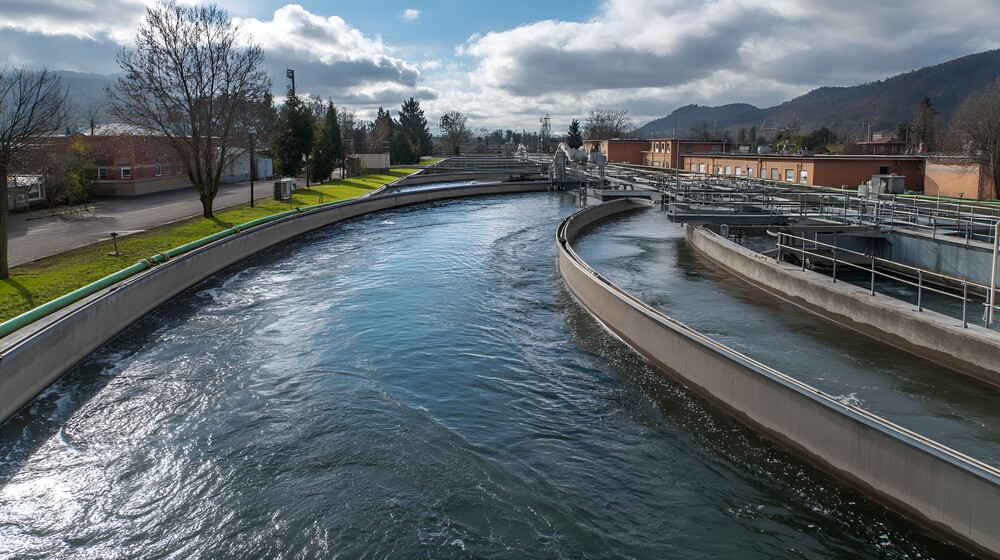
Dechlorination Monitoring for Aquatic Environment Protection
Where treated effluent is discharged to receiving water bodies that support sensitive aquatic ecosystems, residual chlorine must be reduced to near-zero levels before discharge — since even low concentrations are toxic to fish and aquatic invertebrates. Sodium bisulfite or sodium metabisulfite is dosed to neutralize residual chlorine, and an online chlorine sensor downstream of the dechlorination point confirms that the target near-zero concentration has been achieved before the effluent enters the watercourse.
Semiconductor & Electronics — Ultrapure Water Dechlorination
In semiconductor fabrication and electronics manufacturing, ultrapure water (UPW) is produced from a municipal supply and used directly in wafer cleaning, chemical bath preparation, and equipment rinsing. Residual chlorine in UPW at even trace concentrations — below 0.01 mg/L — causes oxidation of metal layers and circuit structures, producing yield losses and device failures. Continuous online free chlorine monitoring at the inlet to the UPW system provides real-time verification that dechlorination is complete before water enters the fabrication process, with automatic shutdown triggered if any chlorine breakthrough is detected.
How to Choose the Right Disinfectant Sensor & Controller: A 5-Step Selection Guide
Selecting a disinfectant sensor is not simply a matter of picking the lowest price or the most familiar brand. The wrong sensor for your disinfectant type, water quality conditions, or installation environment will deliver inaccurate readings, require excessive maintenance, or fail prematurely — undermining the very protection it was installed to provide.
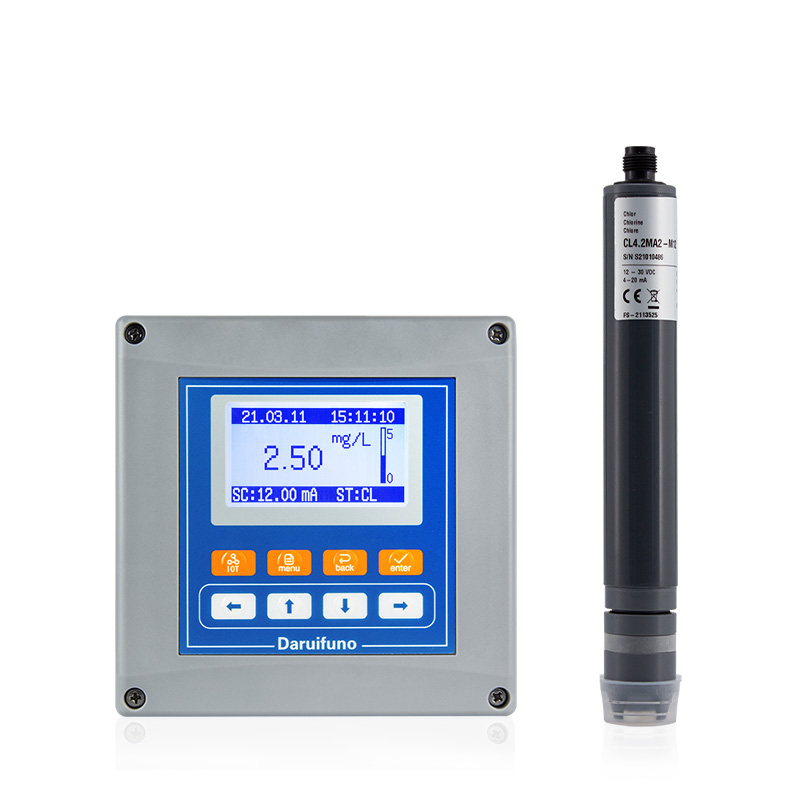
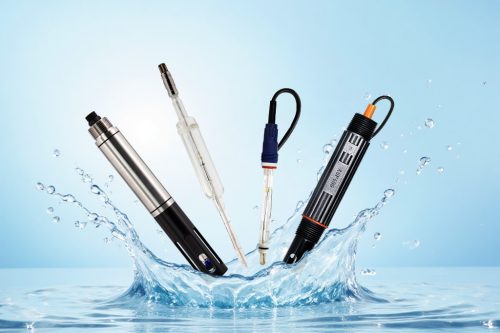
Disinfectant Sensor
The five steps below cut through the complexity and give you a structured framework for making the right decision the first time.
Step 1 — Identify Your Disinfectant Type
The single most important selection criterion is the disinfectant itself. Different disinfectants have fundamentally different electrochemical properties, and a sensor optimized for free chlorine will not accurately measure ozone, peracetic acid, or chlorine dioxide — even if the physical form factor appears identical.
Use this as your starting filter:
| Disinfectant | Recommended Sensor Technology |
|---|---|
| Free Chlorine | Amperometric (membrane or membrane-free) |
| Total Chlorine | Amperometric + KI addition circuit |
| Chlorine Dioxide | Dedicated amperometric (specific electrode potential) |
| Ozone | UV absorption (254nm) or dedicated amperometric |
| Peracetic Acid | Amperometric (PAA-specific membrane) |
| Hydrogen Peroxide | Amperometric (H₂O₂-specific electrode) |
| Bromine | Amperometric (membrane-free, flow cell) |
If your system uses more than one disinfectant — for example, ozone as primary disinfection followed by residual chlorine in the distribution network — each disinfectant requires its own dedicated sensor. A multi-parameter controller can accept inputs from multiple sensors simultaneously, managing both parameters from a single unit.
Step 2 — Consider Your Water Quality Conditions
Once the disinfectant type is confirmed, the physical and chemical characteristics of the water matrix determine which sensor design will perform reliably in your specific environment.
pH is the most critical variable for amperometric free chlorine sensors. As established in Section 3, the HOCl/OCl⁻ equilibrium shifts significantly above pH 7.5. For applications where sample pH varies or exceeds 8.0 — such as cooling towers, seawater systems, or high-alkalinity source water — either select a sensor with automatic pH compensation or use the DPD colorimetric method, which is pH-independent.
Turbidity and suspended solids affect optical measurement methods (UV absorption, colorimetric) more than electrochemical methods. In high-turbidity applications such as raw water intake monitoring or industrial wastewater, a membrane amperometric sensor with a flow cell is generally more robust than an optical method.
Temperature affects both sensor response and the disinfectant chemistry itself. Most industrial sensors are rated for 0–50°C operation. In high-temperature applications — cooling towers, hot process water, sterilization loops — verify the sensor's temperature rating and confirm whether automatic temperature compensation is built into the measurement algorithm.
Organic load and chemical interference are particularly relevant in food processing, wastewater, and industrial cooling water. High organic matter consumes disinfectant rapidly (high chlorine demand) and can foul sensor membranes. In these environments, membrane-free amperometric designs or sensors with self-cleaning flow cells reduce the maintenance burden significantly.
Step 3 — Evaluate Maintenance Requirements
Every sensor requires periodic maintenance to sustain measurement accuracy. The practical question is not whether maintenance is needed, but how frequently and what it involves — since this determines the total cost of ownership and the operational burden on your staff.
Membrane amperometric sensors require membrane and electrolyte replacement, typically every 3 to 6 months under normal conditions, or more frequently in high-fouling environments. Membrane replacement is a simple procedure requiring no tools, but it must be performed consistently — a degraded membrane is the most common cause of sensor drift and inaccurate readings.
Membrane-free amperometric sensors eliminate membrane replacement but require more frequent electrode cleaning, particularly in water with high suspended solids or biological fouling potential. Flow cell designs with accessible electrode surfaces simplify this cleaning procedure.
Calibration should be performed against a verified reference method — typically a DPD colorimetric check using a calibrated portable photometer — at a frequency appropriate to the application: monthly for clean drinking water systems, weekly or more frequently for wastewater or high-fouling industrial applications. Controllers with automatic calibration reminder functions and data logging provide documented evidence of calibration compliance for regulatory audits.
Step 4 — Check Integration & Communication
A disinfectant sensor and controller that cannot communicate effectively with your existing plant automation infrastructure will create more problems than it solves. Confirm compatibility before purchase.
4–20mA analog output is universally compatible with legacy PLCs, dosing pump controllers, and data loggers. It is simple to wire and requires no protocol configuration, but it transmits only a single measurement value per channel with limited noise immunity over long cable runs.
RS485 / Modbus RTU digital output is the preferred standard for new installations and SCADA integration. It supports multiple devices on a single cable run of up to 1,200 meters, transmits multiple parameters simultaneously (concentration, temperature, alarm status, calibration data), and integrates directly with modern plant management systems and remote monitoring platforms.
HART protocol is increasingly specified in the oil and gas, chemical, and pharmaceutical industries, where it overlays digital communication on the existing 4–20mA wiring — allowing sensor diagnostics and configuration without additional cabling.
For applications requiring simultaneous monitoring of multiple water quality parameters — free chlorine plus pH plus ORP, or chlorine plus turbidity plus temperature — confirm that the controller supports multi-sensor inputs and can display, log, and control all parameters from a single unit, reducing panel space, wiring complexity, and procurement overhead.
Step 5 — Verify Regulatory Compliance Requirements
Different industries and regions impose different performance requirements on the instruments used for compliance monitoring. Confirming these requirements before selection avoids the cost and disruption of replacing non-compliant instrumentation after installation.
EPA Method 334.0 (United States): Required for online residual chlorine analyzers used for compliance monitoring at drinking water treatment facilities. Sensors and analyzers must demonstrate a defined initial demonstration of capability and an ongoing quality control program to qualify.
NSF/ANSI Standard 61: Required for sensors and materials that contact drinking water intended for human consumption in the United States and Canada. Confirms that no harmful substances leach from the sensor body or materials into the water.
ATEX / IECEx certification: Required for sensors installed in potentially explosive atmospheres — relevant to certain chemical dosing rooms, fuel processing facilities, and industrial environments where flammable gases may be present.
IP Protection Rating: Sensors installed outdoors, in wash-down environments, or submerged in open channels require IP67 or IP68 rated housings. IP65 is the minimum for indoor industrial environments subject to water spray. Confirm the IP rating of both the sensor and the controller before specifying for harsh environments.
Disinfection Controllers — Closing the Loop
Choosing the right sensor is only half the equation. The controller determines how your system responds to what the sensor measures — and the wrong controller choice leads to dosing instability, chemical waste, and compliance risk just as surely as the wrong sensor does.
1. Single-Parameter vs. Multi-Parameter Controllers
Single-parameter controllers manage one measurement input — typically free chlorine or ORP — and drive one dosing output. They are cost-effective for simple, dedicated applications such as a single pool or a small drinking water booster station where only one parameter requires automatic control.
Multi-parameter controllers accept simultaneous inputs from multiple sensors — for example, free chlorine + pH + ORP, or chlorine + turbidity + temperature — and manage multiple dosing outputs from a single unit. For commercial pools, municipal water systems, and industrial applications where water chemistry requires coordinated control of several parameters, a multi-parameter controller eliminates the need for separate single-channel units, reduces panel space, simplifies wiring, and provides a unified data log for all parameters.
2. PID Control — Why On/Off Switching Is Not Enough
Basic controllers operate on a simple on/off logic: when concentration drops below the setpoint, the dosing pump switches on at full speed; when it rises above, the pump stops. This produces a characteristic concentration oscillation — repeatedly overshooting and undershooting the target — that is inefficient, wastes chemicals, and, in drinking water applications, generates DBP spikes every time the concentration overshoots.
3. PID (Proportional-Integral-Derivative) control eliminates this by modulating the dosing pump speed proportionally to the deviation from the setpoint. As concentration approaches the target, the dosing rate slows automatically — delivering precise, stable control without overshoot. For any application where tight concentration control matters — drinking water compliance, food processing CIP verification, pharmaceutical purified water — PID control is the correct specification.
4. Dosing Pump & SCADA Integration
Confirm that the controller's output signal is compatible with your dosing pump's input requirements before purchase. Most modern dosing pumps accept either a 4–20mA analog signal for proportional speed control or a pulse frequency signal for stroke rate control. For plant-wide integration, RS485/Modbus output connects the controller directly to your SCADA system — enabling remote monitoring, centralized alarming, and automated data archiving without additional hardware.

Delfino Disinfectant Sensor & Controller Solutions
Delfino (Suzhou Delfino Environmental Technology Co., Ltd.) is a China-based manufacturer with over 20 years of experience in water quality instrumentation, specializing in the research, development, and production of online sensors and controllers for industrial and municipal water treatment applications. The disinfectant product line covers the full spectrum of measurement needs — free chlorine, total chlorine, chlorine dioxide, ozone, peracetic acid, and bromine sensors, paired with single-parameter and multi-parameter controllers including the MCC500 multi-channel platform, which supports up to 20 digital sensors simultaneously via RS485 Modbus RTU communication and integrates directly with PLC and SCADA systems.
All Delfino disinfectant sensors are manufactured to IP68 protection standards, operate reagent-free using amperometric or UV absorption measurement principles, and are designed for continuous 24/7 online deployment in demanding industrial environments. As a direct manufacturer supplying global customers for over a decade, Delfino offers factory-direct pricing, full technical support, and custom OEM configurations — making professional-grade disinfectant monitoring accessible without the premium cost of European or North American instrument brands. And contact us with any other water quality monitoring analyzer.
→ View Delfino Disinfectant Sensor & Controller Products
→ Contact us to Get a Free Quote
Frequently Asked Questions
Q1: What is the difference between free chlorine and total chlorine sensors?
Free chlorine sensors measure only the active disinfectant fraction — hypochlorous acid (HOCl) and hypochlorite ion (OCl⁻) — that is immediately available to kill pathogens. Total chlorine sensors measure the sum of free chlorine plus combined chlorine (chloramines), which are formed when free chlorine reacts with nitrogen-containing compounds. For drinking water compliance and swimming pool safety, free chlorine is the primary regulated parameter. For wastewater effluent discharge monitoring and industrial process water, total chlorine is more commonly specified. The two sensor types use the same amperometric measurement principle, but total chlorine sensors incorporate a potassium iodide (KI) reagent or a three-electrode system to oxidize chloramines before measurement.
Q2: What is a safe level of residual chlorine in drinking water?
According to the WHO Guidelines for Drinking-Water Quality (4th Edition), a free residual chlorine concentration of 0.2–0.5 mg/L at the point of delivery is sufficient for effective microbial control under normal conditions. In the United States, the EPA sets a Maximum Residual Disinfectant Level (MRDL) of 4.0 mg/L for chlorine in finished drinking water under the Safe Drinking Water Act. The EU Drinking Water Directive 2020/2184 applies equivalent standards across all member states. Levels above 5 mg/L begin to pose health risks; levels below 0.2 mg/L at network endpoints provide insufficient protection against microbial regrowth.
Q3: How does an online disinfectant sensor differ from a manual test kit?
A manual DPD test kit provides a single point-in-time measurement at one location — typically requiring a grab sample, reagent addition, and visual or photometric color comparison. It takes several minutes per reading and can only capture conditions at the moment of sampling. An online disinfectant sensor measures continuously — every few seconds — at a fixed point in the water system, transmitting real-time data to a controller or SCADA system. In a dynamic water system where disinfectant demand fluctuates with flow rate, temperature, bather load, or organic input, continuous online measurement is the only method that can detect and respond to rapid changes before they create a compliance violation or public health risk.
Q4: Can one controller manage multiple disinfectant sensors?
Yes. Multi-parameter controllers — such as the Delfino MCC500 — accept simultaneous inputs from multiple sensors measuring different parameters, including free chlorine, ORP, pH, turbidity, and others, managing all dosing outputs from a single unit. This is the preferred configuration for commercial swimming pools (free chlorine + ORP + pH), municipal water distribution networks (multi-point residual chlorine), and industrial facilities where several water quality parameters require coordinated automatic control. Single-parameter controllers remain appropriate for simpler, dedicated applications where only one measurement point and one dosing output are required.
Q5: How does an ORP sensor differ from a chlorine sensor?
A chlorine sensor measures the actual concentration of a specific disinfectant in mg/L — providing a direct, quantitative reading that can be compared against regulatory limits and compliance thresholds. An ORP (Oxidation-Reduction Potential) sensor measures the overall oxidizing power of the water in millivolts (mV) — an indirect indicator of disinfection effectiveness that reflects the combined contribution of all oxidizing agents present. ORP cannot report a disinfectant concentration in mg/L and cannot be used for regulatory compliance reporting. It is most valuable as a fast-response early warning indicator in swimming pools and cooling towers, where it reflects real-time changes in water chemistry more rapidly than a concentration sensor. For compliance purposes, a direct chlorine sensor is always required.
Q6: What causes disinfectant sensor drift, and how can it be prevented?
Sensor drift — a gradual shift in the measured value away from the true concentration — is the most common performance issue with online disinfectant sensors. The primary causes are membrane fouling (deposits of biological or chemical material on the sensor membrane that reduce analyte diffusion), electrode passivation (buildup on the working electrode surface that reduces electrochemical reactivity), and electrolyte depletion in membrane-type sensors. Drift is prevented through a consistent maintenance program: regular membrane cleaning or replacement, periodic electrode polishing or replacement, and calibration verification against a reference method — typically a DPD colorimetric check — at intervals appropriate to the application. In high-fouling environments, sensors with self-cleaning flow cells or automatic ultrasonic cleaning significantly reduce drift frequency.
Q7: Which disinfectant sensor is best for swimming pools?
For commercial and public swimming pools, the industry standard is a combination of a free chlorine amperometric sensor for direct concentration measurement and an ORP sensor for real-time disinfection effectiveness monitoring, paired with a pH sensor to maintain the 7.2–7.4 range that maximizes HOCl efficacy. Free chlorine sensors using the membrane-free amperometric design are preferred for pool applications due to their fast response time and low maintenance requirements. The three sensors are typically connected to a multi-parameter controller with automatic dosing outputs for both chlorine and pH correction chemicals, providing fully automated water chemistry management throughout peak and off-peak operating periods.
Q8: Do online disinfectant sensors meet EPA and international regulatory requirements?
Online disinfectant sensors used for regulatory compliance monitoring in drinking water must meet the performance requirements of EPA Method 334.0 in the United States — a quality control protocol that defines initial demonstration of capability, ongoing calibration verification, and data recording requirements for online chlorine analyzers. In the European Union, instruments used for compliance monitoring must meet the requirements of Directive (EU) 2020/2184 and applicable national transposition legislation. For food contact applications in the United States and Canada, sensor materials must comply with NSF/ANSI Standard 61. For installations in potentially explosive atmospheres, ATEX or IECEx certification is required. Always verify that the specific sensor and controller you are specifying carry the certifications required by your regulatory jurisdiction and industry before purchase.
Conclusion — Real-Time Monitoring Is the Foundation of Safe Water
Water disinfection has protected public health for over a century — but the margin between safe and dangerous has never been something that can be managed by checking once a day and hoping for the best. As the incidents documented in this guide make clear, both overdosing and underdosing carry serious consequences: toxic byproducts that accumulate silently, pathogens that multiply undetected, and regulatory penalties that arrive after the damage is already done.
The common thread running through every application covered in this guide — from municipal drinking water networks to swimming pools, from food processing lines to pharmaceutical clean rooms — is the same: manual testing reacts to problems after they occur. Online sensors and automated controllers prevent them from occurring in the first place.
Selecting the right disinfectant sensor and controller for your specific application does not have to be complicated. The measurement principle, water quality conditions, maintenance requirements, communication protocol, and regulatory compliance framework all point toward a clear answer — if you know what questions to ask.
If you are ready to implement continuous disinfectant monitoring in your facility or need expert guidance on sensor selection for your specific application, Delfino's engineering team is available to help.
→ Contact Delfino for Expert Application Advice
→ View Disinfectant Sensor & Controller Products
References
- World Health Organization — Guidelines for Drinking-Water Quality, 4th Edition, Annex 3 Chemical Summary Tables
https://cdn.who.int/media/docs/default-source/wash-documents/water-safety-and-quality/dwq-guidelines-4/gdwq4-with-add1-annex3.pdf- U.S. EPA — Method 334.0: Determination of Residual Chlorine in Drinking Water Using an On-Line Chlorine Analyzer, EPA 815-B-09-013, September 2009
https://nepis.epa.gov/Exe/ZyPURL.cgi?Dockey=P1005OLV.TXT- EUR-Lex — Directive (EU) 2020/2184 of the European Parliament and of the Council, OJ L 435, 23.12.2020
https://eur-lex.europa.eu/eli/dir/2020/2184/oj/eng- Minnesota Department of Health — Legionnaires' Disease Outbreak Investigation, Grand Rapids, 2023–2024
https://www.health.state.mn.us/diseases/legionellosis/outbreak.html- Washington State Department of Ecology — Seattle and King County Penalized for Sewer Overflow Violations, December 2024
https://ecology.wa.gov/about-us/who-we-are/news/2024/dec-12-seattle-and-king-county-penalized-for-sewer-overflow-violations- U.S. EPA — Enforcement Action Against San Francisco for Clean Water Act Violations, May 2024
https://www.epa.gov/newsreleases/united-states-and-california-take-enforcement-action-against-san-francisco-violations- STV News — Mass Poisoning at Swimming Pool in Verona, Italy, March 2023
https://news.stv.tv/world/mass-poisoning-sees-25-adults-and-children-hurt-at-swimming-pool-in-italy- NBC News — Newly Identified Chemical in Drinking Water Treated with Chloramine, November 2024
https://www.nbcnews.com/science/science-news/chemical-identified-drinking-water-chloramine-may-be-toxic-rcna181052- Oregon Health Authority — ORP and Swimming Pool Disinfection, Official Reference Document
https://www.oregon.gov/oha/PH/HEALTHYENVIRONMENTS/RECREATION/POOLSLODGING/Documents/orphandout.pdf- U.S. EPA — Transfer Standards for Calibration of Air Monitoring Analyzers for Ozone
https://19january2021snapshot.epa.gov/sites/static/files/2020-09/documents/ozonetransferstandardguidance.pdf- NCBI/PMC — Applications of Online UV-Vis Spectrophotometer for Drinking Water Quality Monitoring, Water Research, 2022
https://www.ncbi.nlm.nih.gov/pmc/articles/PMC9024714/- ScienceDirect — An Improved DPD Method for the Determination of Free Chlorine, Analytica Chimica Acta, 2000
https://www.sciencedirect.com/science/article/abs/pii/S0003267099007801- U.S. Patent No. 11,460,432 — Extended Life Electrode Measurement Method, USPTO
https://image-ppubs.uspto.gov/dirsearch-public/print/downloadPdf/11460432- Washington State Department of Health — Chlorination Monitoring and Reporting Requirements
https://doh.wa.gov/community-and-environment/drinking-water/disinfection/chlorination-monitoring-and-reporting- PNAS — Assessment of the Legionnaires' Disease Outbreak in Flint, Michigan
https://www.pnas.org/doi/full/10.1073/pnas.1718679115- CDC Emerging Infectious Diseases — Effect of Chloramine Disinfection of Community Water System on Legionnaires' Disease Outbreak, Minnesota, USA, 2024, Volume 32, Issue 1, January 2026
https://wwwnc.cdc.gov/eid/article/32/1/25-1232_article