
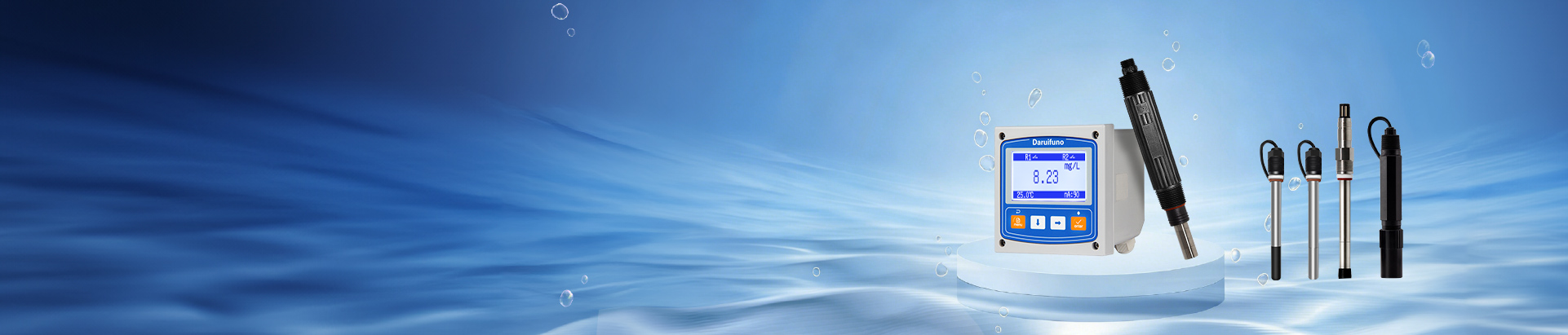
Dissolved Oxygen Sensor & Controller
Smart DO monitoring systems featuring digital fluorescence and polarographic technologies for low-maintenance industrial water analysis.
Smart DO monitoring systems featuring digital fluorescence and polarographic technologies for low-maintenance industrial water analysis.
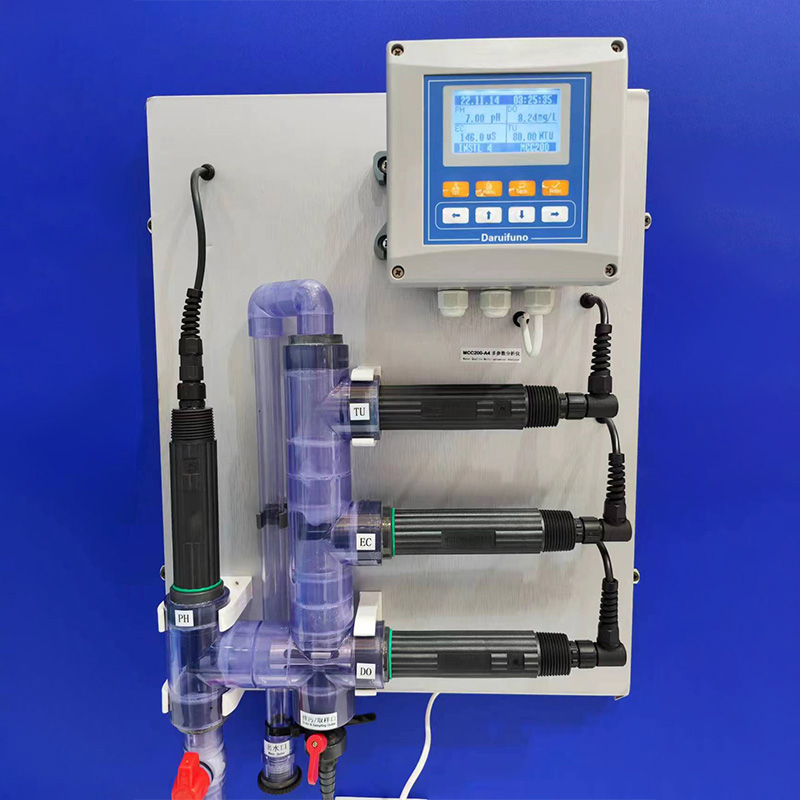
Engineered for rapid process control with a response time of less than 60 seconds (T90 < 60s), ensuring real-time accuracy in dynamic wastewater environments.
Delivers versatile measurement capabilities across a broad range from 0–20mg/L concentration and 0–200% saturation to meet diverse industrial requirements.
The advanced fluorescence technology requires no minimum flow rate, eliminating the measurement errors caused by low-velocity fluids in stagnant basins.
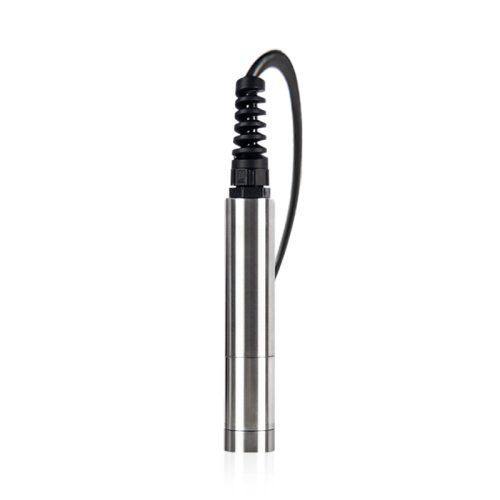
DO: 0~20.00mg/L, Saturation: 0~200% , Temp: 0~50℃
2-5 weeks
1
Contact Us
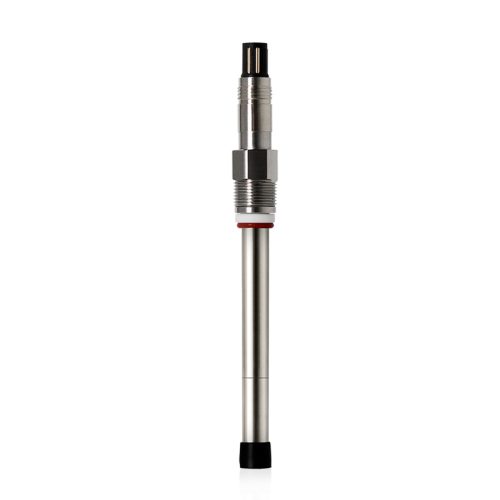
0~40mg/L, 0~400%
2-5 weeks
1
Contact Us
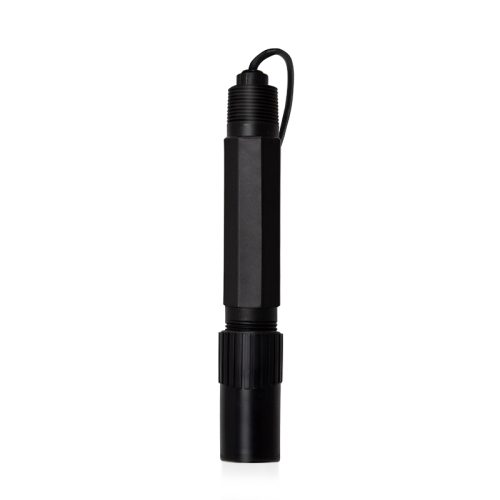
0~20mg/L, 0~200%
2-5 weeks
1
Contact Us
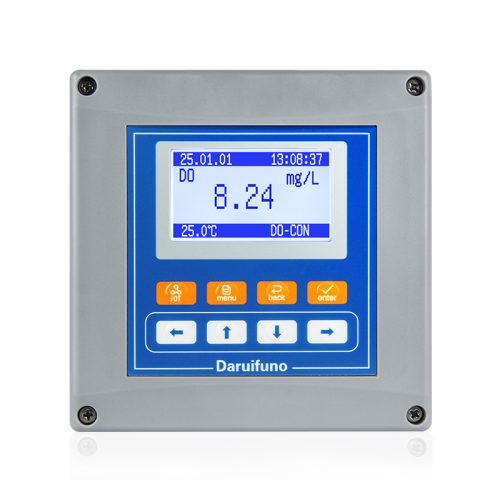
DO: 0~50mg/L or 0~50ppm (measuring range related to the connected sensor)
2-5 weeks
1
Contact Us
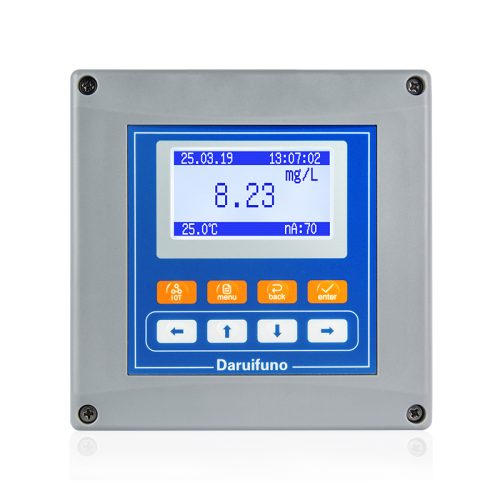
Dissolved Oxygen
2-5 weeks
1
Contact Us
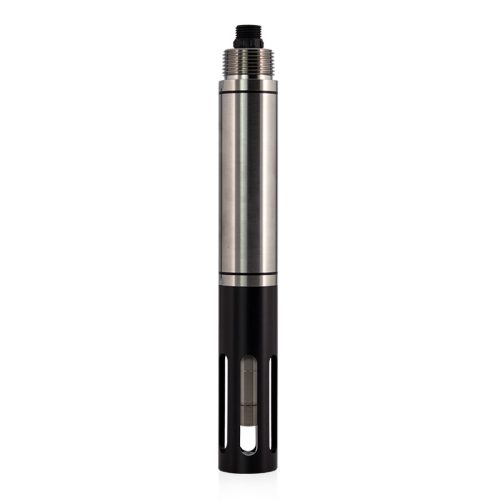
DO: 0.00~20.00mg/L, Saturation: 0~200% , Temp: 0~50℃
2-5 weeks
1
Contact Us
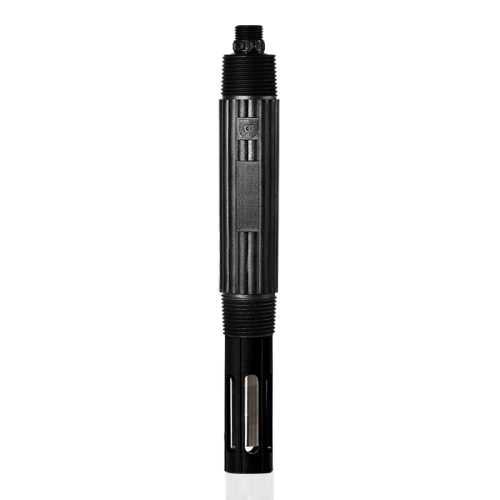
DO: 0.00~20.00mg/L, Saturation: 0~200% , Temp: 0~50℃
2-5 weeks
1
Contact Us
DO: 0.00~20.00mg/L, Saturation: 0~200% , Temp.: 0~50℃
2-5 weeks
1
Contact Us


Contact us for tailored technical advice or a customized project quotation.
The product line offers both advanced fluorescence optical sensors that require no oxygen consumption or flow rate limits, and classic polarographic membrane electrodes featuring stable silver-platinum coil structures. Designed with highly responsive components, these sensors deliver accurate dissolved oxygen readings within a rapid response time of under 30 to 60 seconds.
Built for long-term stability, the sensors are constructed from heavy-duty industrial materials including titanium alloy, SUS316L stainless steel, and rugged ABS. This robust hardware framework ensures reliable underwater or pipeline submersion, comfortably withstanding process temperatures up to 60°C or 130°C (depending on the chosen model)
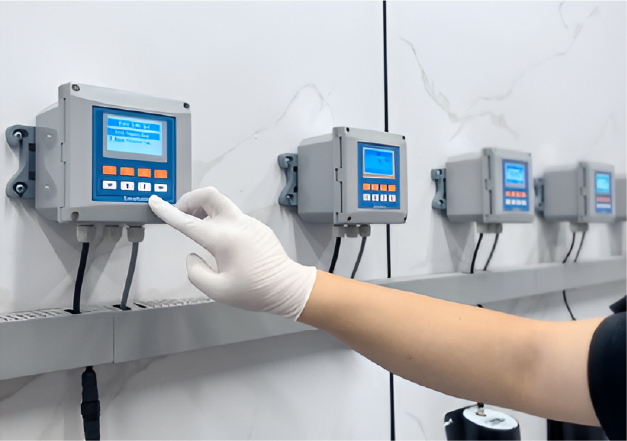
The controller features built-in signal stabilization to effectively reduce measurement jumping caused by unstable water flow in the pipe. It prevents the connected dosing pumps from frequently turning on and off, which greatly extends equipment's lifespan. The clear 3.2-inch LCD screen allows operators to monitor real-time changes and check historical records directly on-site.
Equipped with two flexible SPST relays, the system easily automates high/low limit alarms and timed sensor cleaning cycles. With its durable IP66 waterproof enclosure, this controller ensures steady, trouble-free operation in wet and dusty industrial environments.


Oct 2025, Brazil: A large-scale municipal wastewater plant struggled with massive energy waste as fluctuating DO readings led to inefficient and continuous over-aeration.
The DUC2-DO controller paired with the OPD790 optical DO sensor utilizes digital anti-interference and low-drift technology to eliminate signal fluctuations.
Slashed aeration energy consumption by 25% and extended sensor maintenance intervals to 6 months, significantly lowering the plant's total cost of ownership (TCO).

Aug 2025, Australia: A massive desalination facility faced constant equipment corrosion and sensor failure in high-salinity water, demanding a more durable monitoring solution.
The DUC2-DO controller is paired with the OPD890 sensor in a Titanium housing, featuring an integrated cleaning nozzle interface to prevent salt crystallization and bio-fouling.
Extended sensor lifespan in harsh brine by 3x and reduced manual maintenance costs by 45%, saving massive operational expenditures.

Industrial-scale Atlantic salmon farms in Norway rely on continuous dissolved oxygen monitoring to maintain peak metabolic rates and ensure fish welfare within Recirculating Aquaculture Systems (RAS).
Delfino optical DO sensors were deployed alongside MCC500 multi-parameter controllers to provide real-time, drift-free measurements that automate oxygen injection and aeration intensity.
Precise control of dissolved oxygen saturation prevented stress-induced mortality and optimized feed conversion ratios (FCR), resulting in a 20% improvement in growth performance while ensuring full compliance with international sustainable farming and environmental safety certifications.
The fundamental principle of an optical dissolved oxygen (DO) sensor is based on the advanced oxygen quenching of luminescence, where a specialized sensing film is excited by a specific wavelength of blue light. When the sensing membrane is exposed to the water sample, oxygen molecules collide with the excited luminophore, causing a measurable decrease in the intensity and fluorescence lifetime of the emitted light. This physical interaction allows the sensor to calculate the oxygen concentration by precisely measuring the phase shift between the excitation and emission signals, providing a highly stable and drift-free digital output.
Unlike traditional electrochemical probes, this optical DO measurement technique does not consume oxygen during the sensing process, making it ideal for low-flow or stagnant water environments where accuracy is critical. The system utilizes a sophisticated red light reference signal to automatically compensate for internal optical degradation and sensor aging, ensuring long-term reliability in harsh industrial conditions. By integrating this standardized optical logic, the sensor provides real-time data for biological oxygen demand (BOD) tracking and aeration control, facilitating seamless integration into modern environmental monitoring and wastewater treatment networks. In wastewater applications, it adjusts aeration blower speeds (VFD) to maintain optimal DO levels. In aquaculture, it activates oxygenators or triggers alarms, creating an automated response system that prevents livestock loss and slashes energy waste.
Real-time dissolved oxygen (DO) optimization is a fundamental driver of climate change mitigation, ensuring the maximum efficiency of carbon sequestration by maintaining healthy phytoplankton populations in marine and freshwater carbon sinks. By deploying precision DO sensing in urban water infrastructure, municipalities can achieve significant energy decarbonization, reducing the massive electricity demand of aeration blowers while supporting the circular economy through nutrient-rich water reclamation. This data-driven approach directly enhances environmental resilience, transforming traditional water treatment into a proactive mechanism for global carbon neutrality and long-term ecological restoration.
Got technical hurdles or need a custom project quote? Contact our engineers for a competitive price today!

English

French

German

Portuguese

Spanish