
Oil & Gas
Maximize uptime and environmental compliance with our ruggedized online water quality monitoring systems designed for the extreme demands of the oil and gas industry.
Maximize uptime and environmental compliance with our ruggedized online water quality monitoring systems designed for the extreme demands of the oil and gas industry.
Advanced produced water management and refinery effluent treatment are critical for ensuring operational continuity and meeting stringent environmental discharge standards in the oil and gas industry. Real-time monitoring of pH, conductivity, and oil-in-water levels optimizes desalination processes and cooling tower efficiency, preventing costly corrosion and equipment failure.

Industrial wastewater treatment typically involves equalization, pH adjustment, coagulation, biological processing, clarification, and final discharge. Each stage requires continuous online monitoring to control dosing, stabilize process performance, and ensure regulatory compliance.
| Category | Details | Benefits of Online Monitoring | ||||||||||||||||||
| Key Water Quality Parameters | Inductive Conductivity: Monitors brine concentration in produced water and tracks salt interface in crude oil desalinators. | Optimizes desalter efficiency and prevents high-salinity corrosion in downstream atmospheric and vacuum distillation units. | ||||||||||||||||||
| pH Level: Critical for controlling neutralizing amine injection in overhead refinery condensers and managing wastewater acidity. | Prevents acid-induced metal loss in heat exchangers and minimizes expensive metallurgy replacement costs. | |||||||||||||||||||
| Oil-in-Water (Fluorescence/UV): Detects trace hydrocarbon leaks in cooling water loops and monitors the discharge quality of treated produced water. | Protects biological treatment plants from oil shocks and ensures 100% compliance with offshore discharge regulations. | |||||||||||||||||||
| Dissolved Oxygen (DO): Measures oxygen ingress in water injection systems used for Enhanced Oil Recovery (EOR). | Inhibits aerobic bacterial growth and prevents internal pipeline pitting corrosion caused by oxygen-rich environments. | |||||||||||||||||||
| Turbidity/TSS: Monitors suspended solids in reinjection water and clarifies efficiency in API separators or DAF units. | Prevents reservoir plugging during waterflooding and extends the service life of fine filtration membranes. | |||||||||||||||||||
| How Online Sensors Improve Operations | Chemical Injection Optimization: Provides real-time feedback for dosing corrosion inhibitors, biocides, and demulsifiers. | Slashes chemical expenditures by 20% while ensuring constant protection of multi-million dollar asset infrastructure. | ||||||||||||||||||
| Cooling Tower Management: Automated tracking of blowdown cycles and scale inhibitor concentration in refinery cooling systems. | Maximizes cycles of concentration (CoC), significantly reducing raw water makeup and wastewater volume. | |||||||||||||||||||
| Steam Generator Protection: Monitoring boiler feed water purity (conductivity/silica) for Once-Through Steam Generators (OTSG). | Prevents tube scaling and catastrophic failures in thermal recovery (SAGD) steam generation equipment. | |||||||||||||||||||
| Environmental ESG Reporting: Continuous data logging of effluent parameters for real-time compliance dashboards. | Streamlines regulatory audits and mitigates the risk of legal action or reputational damage from accidental spills. | |||||||||||||||||||
| Typical Application Scenarios | Produced Water Reinjection (PWRI): Ensuring water quality meets reservoir specifications to maintain well injectivity. | Maintains reservoir pressure and maximizes long-term oil production yields from mature fields. | ||||||||||||||||||
| Refinery Wastewater Plant (ETP): Final polishing and monitoring of complex petrochemical effluents before municipal discharge. | Guarantees removal of phenols and sulfides, avoiding massive environmental fines and plant shutdowns. | |||||||||||||||||||
| Desalter Wash Water: Controlling the quality of wash water used to remove chlorides and impurities from crude oil. | Reduces salt carryover to prevent catalyst poisoning and fouling in downstream conversion units. | |||||||||||||||||||


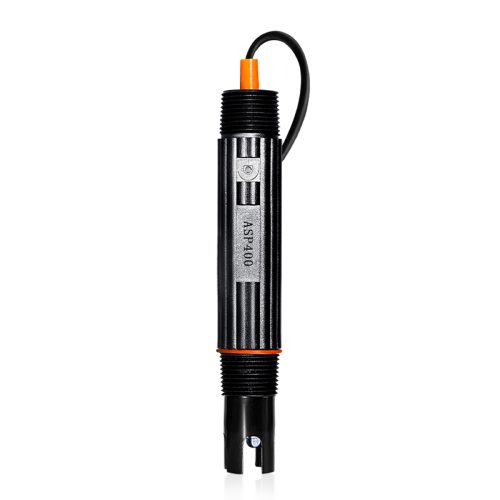
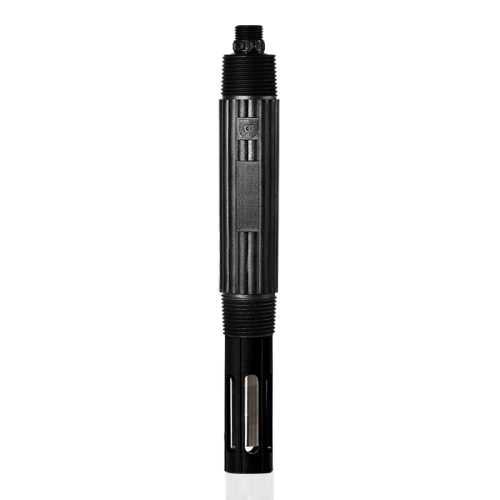
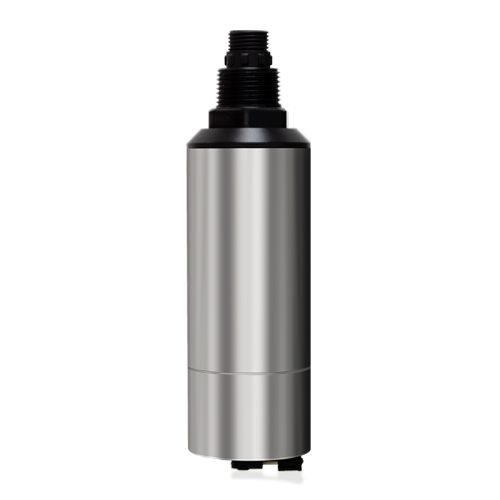
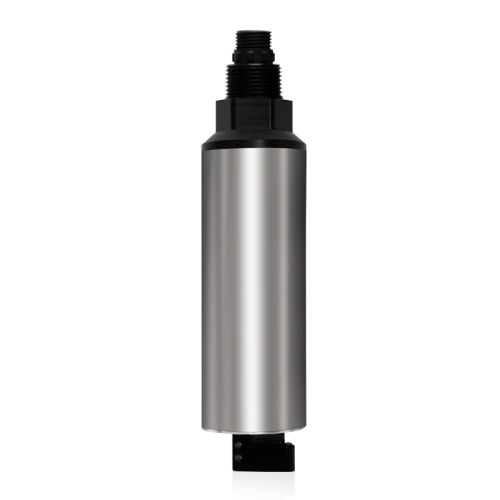
| Supported pH Range | 0-14 |
| Accuracy | ±0.02 pH/±1 mV ORP |
| Temperature Range | 0-80°C |
| Output Options | 4-20mA / RS485 MODBUS / Relay |
| Installation Methods | Subnersible / Flow Cell / Pipeline |
| Turbidity Range | 0-4000 NTU |
| Dissolved Oxygen | 0-20mg/L(optical) |


Please contact us immediately to speak with our experts and receive a discounted quote.
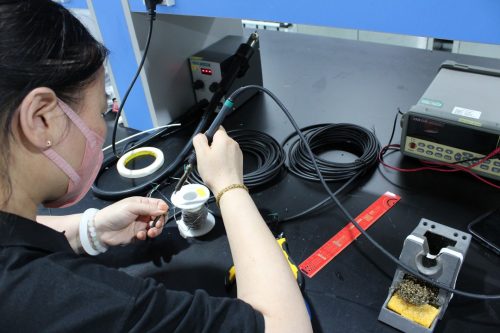




The offshore oil platforms faced severe crude oil buildup and rapid biofouling on their water quality sensors, causing frequent manual maintenance dependencies, short calibration windows, and high operational risks in maintaining strict OSPAR discharge compliance for produced water.
Deployment of the APX2 controller with the ASP sensor, integrated with a high-pressure jet cleaning system and chemical-resistant glass membrane, effectively prevents crude oil buildup for continuous, low-maintenance monitoring.

Refining facilities in Saudi Arabia encountered accelerated metallurgy thinning within overhead condenser units during July 2024 due to erratic pH fluctuations in wash water. Undetected acidic surges caused localized pitting corrosion in carbon steel piping, leading to high-pressure steam leakage and emergency unit shutdowns.
Integration of the APX1 high-temperature controller with the ASP series pH sensor, featuring a pressurized reference system and specialized ion-selective glass, ensures rapid detection of acidic spikes in fluctuating refinery streams.
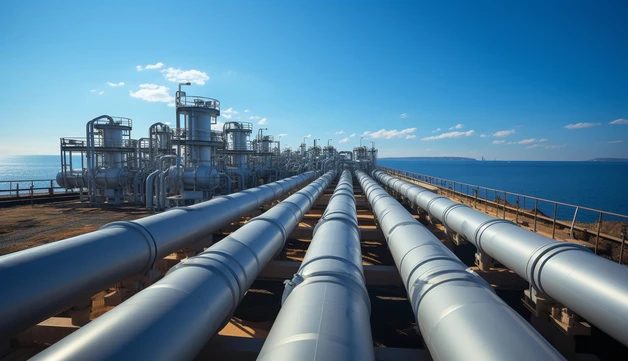
Petroleum extraction facilities in Saudi Arabia confront severe piping corrosion and strict environmental discharge violations due to high hydrogen sulfide (H₂S) concentrations and volatile pH drops in their produced water reclamation loops. Managing these hypersaline wastewater streams is constantly disrupted by rapid sensor blinding from residual oil films and chemical poisoning, leading to severe measurement drift and a complete failure in automated desulfurization control.
Deploying the heavy-duty ASP122E pH glass sensor and non-contact ASC200 toroidal inductive conductivity probe alongside their dedicated APX2 and AEC2 controllers establishes a synchronized tracking defense within these sour loops. This dual-instrument system simultaneously repels aggressive hydrogen sulfide poisoning and heavy hydrocarbon oil coating, securing drift-free metrics across automated desulfurization and hypersaline brine monitoring.
Have more technical questions or need a custom quote? Contact our experts for a tailored solution and a competitive price today.

English

French

German

Portuguese

Spanish