
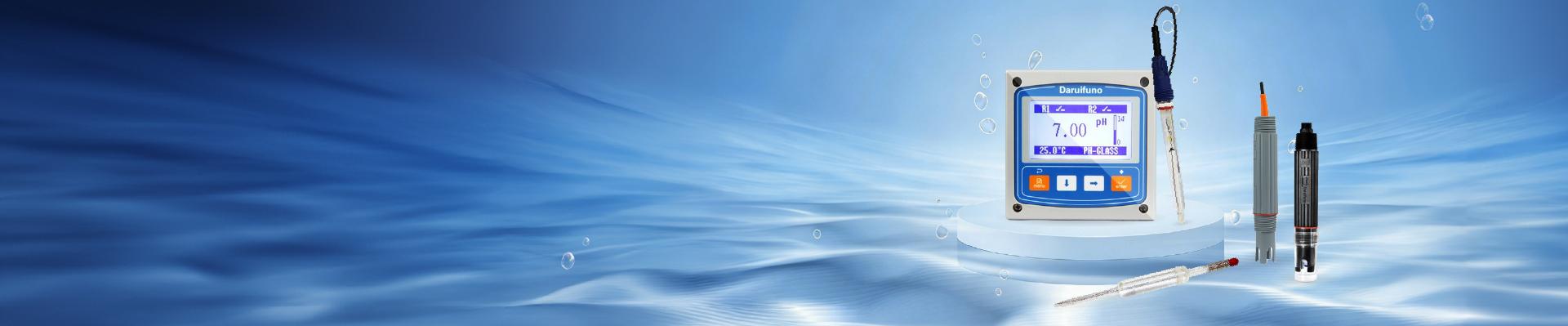
NH₄-N Sensor & Controller
Advanced ISE-based Ammonium Nitrogen (NH₄-N) monitoring solution for real-time Total Ammonia Nitrogen (TAN) analysis in wastewater and industrial process control.
Advanced ISE-based Ammonium Nitrogen (NH₄-N) monitoring solution for real-time Total Ammonia Nitrogen (TAN) analysis in wastewater and industrial process control.
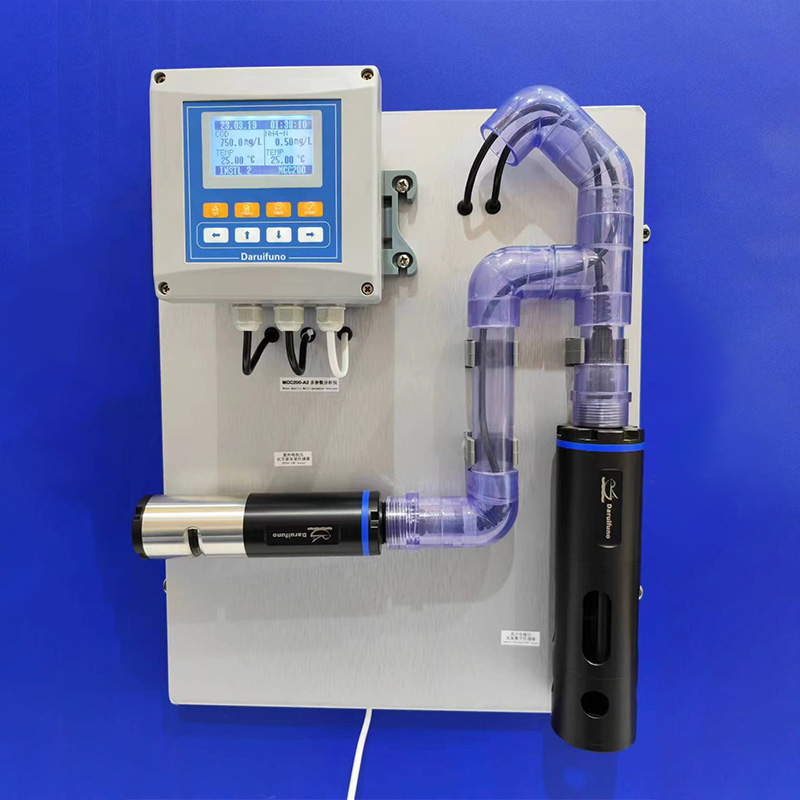
Utilizing advanced Ion Selective Electrode (ISE) technology to provide continuous NH₄-N monitoring without any chemical reagent consumption or costly waste disposal.
Delivers a broad measurement range of 0–1000 mg/L with a high resolution of 0.01 mg/L, making it ideal for both municipal wastewater and high-concentration industrial processes.
Features built-in pH and temperature electrodes with optional Potassium (K⁺) ion compensation to eliminate interference and ensure accuracy within ±5% of the measured value.
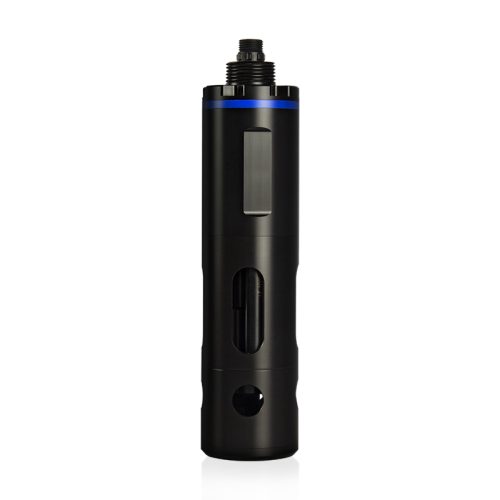
0~1000 mg/L
2-5 weeks
1
Contact Us
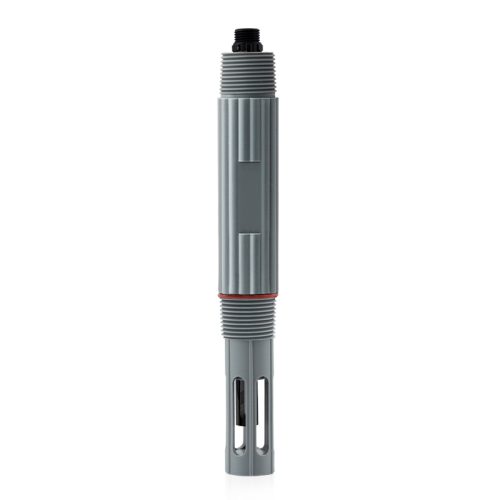
0~200mS/cm
2-5 weeks
1
Contact Us

0.05~5.00/10.00/20.00mg/L; 0.005~0.500/2.000mg/L; 0.5~100.0/200.0mg/L
2-5 weeks
1
Contact Us
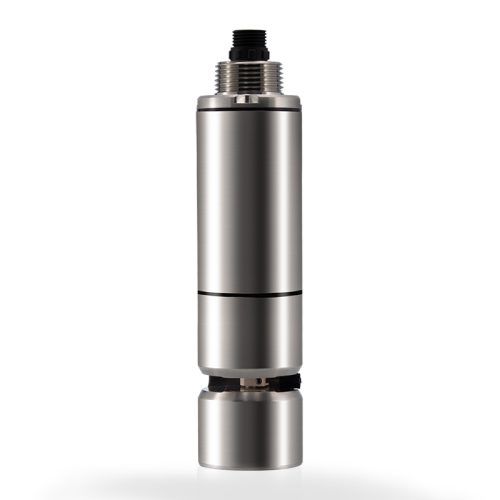
COD:0.75-500mg/L TOC:0.3-200mg/L
2-5 weeks
1
Contact Us
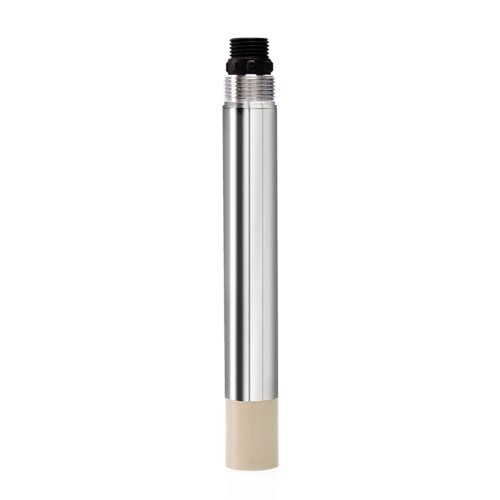
0~200mS/cm
2-5 weeks
1
Contact Us
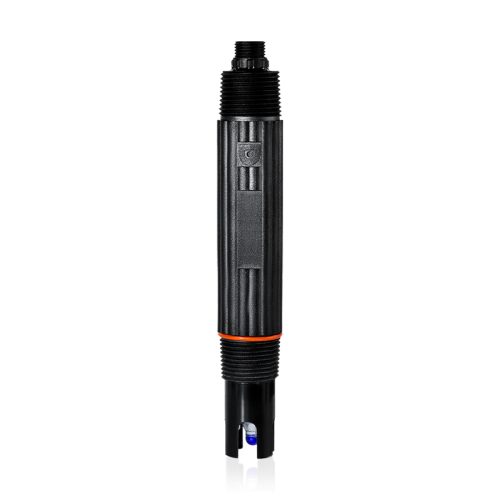
pH 0 - 14
2-5 weeks
1
Contact Us
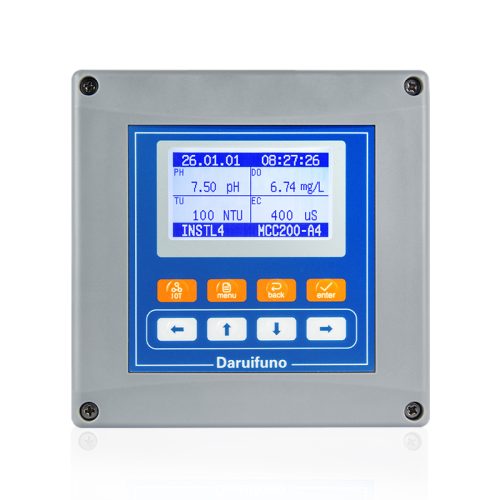
pH、ORP、Cond、DO、Tur、TSS、COD、NH4-N、OIW、Cl、Disinf、Ion、Chl、BGA、NO3、CDOM、DFS、Colorim.
2-5 weeks
1
Contact Us
pH、ORP、Cond、DO、Tur、TSS、COD、NH4-N、OIW、Cl、Disinf、Ion、Chl、BGA、NO3、CDOM、DFS、Colorim.
2-5 weeks
1
Contact Us
pH 、ORP
2-5 weeks
1
Contact Us


Download the complete datasheet for detailed ion-selective parameters or request a customized quote for your specific wastewater and industrial monitoring requirements.
Constructed with a rugged IP68-rated POM housing, this digital ammonia probe is engineered to withstand high-pressure environments up to 2 bars and corrosive wastewater conditions for long-term field reliability.
Featuring a compact all-in-one design with a standard 1-inch NPT thread, our NH₄-N sensor allows for effortless submerged or pipe-mounting in confined industrial spaces without requiring heavy bypass systems.
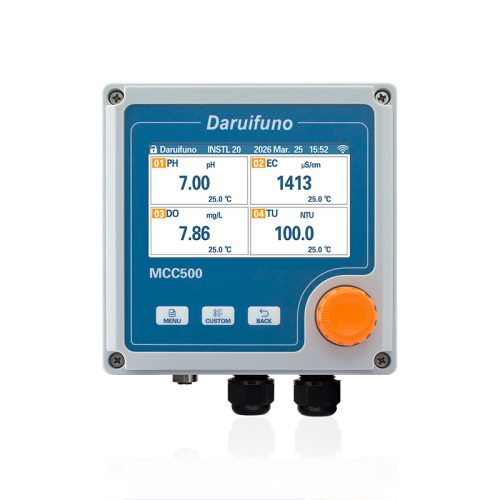
Comprehensive Data Intelligence: This controller ensures that your critical water quality records are always secure and easily accessible, featuring integrated USB data export, historical curve graphing, and power-off protection.
Massive Scalability: Supporting 1 to 20 channels, the MCC500 allows for the simultaneous management of diverse sensors, including NH₄-N, pH, and COD, on a single 4.3-inch TFT color display.


A large-scale industrial textile wastewater facility in Vietnam struggled with excessive aeration energy costs and unstable chemical dosing due to the slow response times of their existing ammonium (NH4-N) monitoring system.
The plant implemented a high-performance digital monitoring suite featuring the NH351 Ion-Selective Electrode (ISE) probe seamlessly integrated with the MCC500 multi-channel intelligent controller for real-time nitrification feedback.
By optimizing aeration and dosing via real-time NH4-N data, the facility achieved a 15% reduction in annual energy consumption and ensured 100% stable discharge compliance, avoiding potential heavy regulatory fines.

A salmon recirculating aquaculture system (RAS) in Norway faced critical stock mortality risks due to sudden ammonia spikes that traditional manual testing failed to detect in time.
The facility deployed the NH351 digital ISE sensor paired with the MCC500 controller, creating an automated early-warning system with rapid-response ammonia (NH₄⁻N) tracking to protect sensitive aquatic life.
This automated monitoring solution eliminated mass mortality risks by detecting toxic spikes in seconds, saving the farm over hundreds of thousands of US dollars in potential stock loss within the first six months of implementation.

A leading chemical manufacturing plant required precise pH control for their high-acid effluent neutralization process in Spain.
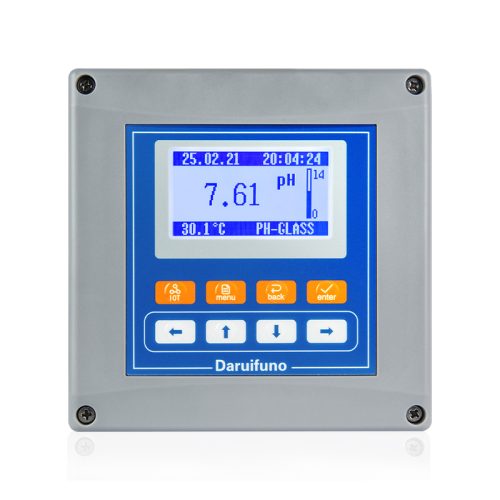
Daruifuno ASP300 series composite pH sensors paired with APX2-C1 digital controllers.
Our solid-electrolyte sensors eliminated junction clogging caused by chemical precipitates, reducing maintenance frequency by 60% and ensuring total compliance with environmental discharge standards.
The sensor operates by measuring the potential difference across a selective membrane as ammonium ions (NH₄⁺) interact with the electrode, providing a direct and continuous signal without chemical reagents. This ISE-based methodology is critical for capturing rapid ammonia spikes that traditional grab sampling misses, ensuring immediate response to process upsets. By integrating real-time pH and temperature compensation, the system mathematically corrects for the NH₃/NH₄⁺ equilibrium shift, maintaining measurement integrity across varying industrial water conditions.
Precise ammonium nitrogen (NH₄-N) monitoring is critical for preventing aquatic eutrophication and toxic algal blooms, ensuring the long-term protection of global water biodiversity. By optimizing nitrification processes, real-time data allows facilities to significantly reduce their carbon footprint and energy consumption, aligning industrial operations with global net-zero sustainability goals. Maintaining strict ammonia compliance not only secures the safety of water resources but also mitigates legal risks associated with increasingly stringent international environmental discharge standards.
Need a Price or Technical Guidance? Click below to get an expert quote instantly!

English

French

German

Portuguese

Spanish