
Electroplating
Reliable sensors engineered for harsh electroplating baths—stabilize your chemical dosing and ensure discharge compliance.
Reliable sensors engineered for harsh electroplating baths—stabilize your chemical dosing and ensure discharge compliance.
The global electroplating market is rapidly evolving, driven by surging demand for advanced surface finishing in the automotive and electronics sectors while prioritizing sustainable wastewater management. Leading facilities are increasingly adopting real-time monitoring technology to ensure strict regulatory compliance and optimize chemical dosing efficiency for long-term operational excellence.

Industrial wastewater treatment typically involves equalization, pH adjustment, coagulation, biological processing, clarification, and final discharge. Each stage requires continuous online monitoring to control dosing, stabilize process performance, and ensure regulatory compliance.
| Category | Details | Benefits of Online Monitoring | ||||||||||||||||||
| Key Water Quality Parameters | pH Level: Crucial for plating bath stability and neutralization | Ensures optimal chemical reactions and automates precise acid/alkali dosing for effluent compliance. | ||||||||||||||||||
| ORP (Redox): Monitors cyanide destruction and chrome reduction | Guarantees complete toxic metal treatment and prevents hazardous chemical carryover. | |||||||||||||||||||
| Conductivity (EC): Measures total dissolved solids and rinse water purity | Optimizes rinse water usage (water recycling) and monitors plating bath concentration. | |||||||||||||||||||
| Temperature: Controls reaction kinetics and plating quality | Maintains consistent deposit thickness and prevents overheating of corrosive chemical tanks. | |||||||||||||||||||
| Dissolved Oxygen (DO): Vital for air-agitation and aeration processes | Monitors aeration efficiency in biological wastewater treatment and prevents anaerobic odors. | |||||||||||||||||||
| Turbidity: Indicates suspended solids in treated effluent | Provides real-time verification of filtration performance and final discharge clarity. | |||||||||||||||||||
| How Online Sensors Improve Operations | Automated Chemical Dosing: Real-time feedback loops for precision pumps | Eliminates manual titration errors, reduces chemical waste, and ensures batch-to-batch consistency. | ||||||||||||||||||
| Heavy Metal Precipitation Control: Monitors pH-driven metal removal | Optimizes the removal of nickel, copper, and chrome to meet strict regulatory discharge limits. | |||||||||||||||||||
| Early Leakage Detection: Instant alerts for tank or pipe failures | Prevents catastrophic environmental incidents and protects expensive plant infrastructure. | |||||||||||||||||||
| Digital Data Logging: Automated records for environmental audits | Simplifies regulatory reporting and supports predictive maintenance of plating line equipment. | |||||||||||||||||||
| Typical Application Scenarios | Plating Tank Monitoring: Direct control of chemical baths | Extends bath life and maintains high-quality surface finishes for automotive/electronics. | ||||||||||||||||||
| Rinse Water Management: Multi-stage rinse tank optimization | Significantly reduces freshwater consumption and lowers sewage treatment costs. | |||||||||||||||||||
| Effluent Treatment Plant (ETP): Final neutralization and metal removal | Ensures 24/7 compliance with local environmental discharge permits and prevents fines. | |||||||||||||||||||


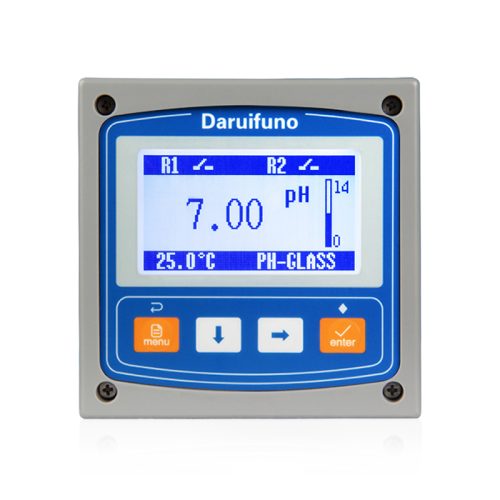
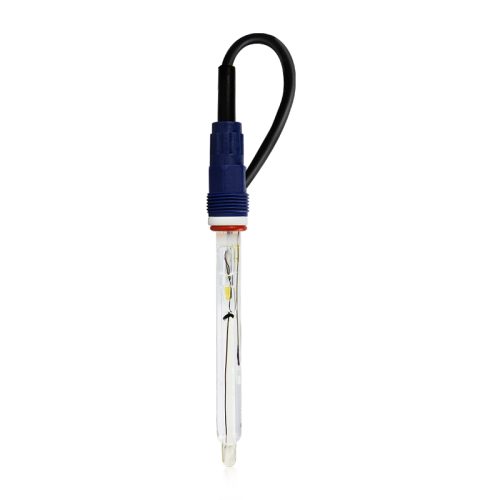
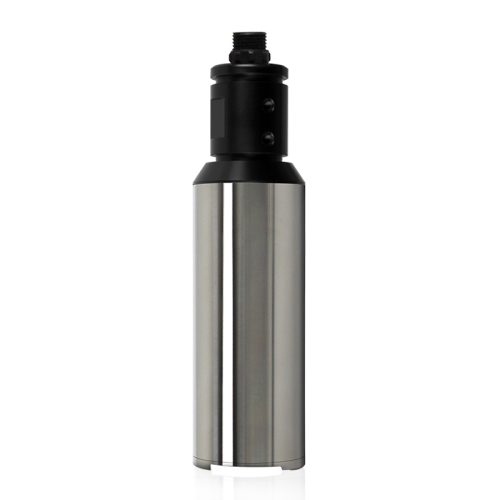
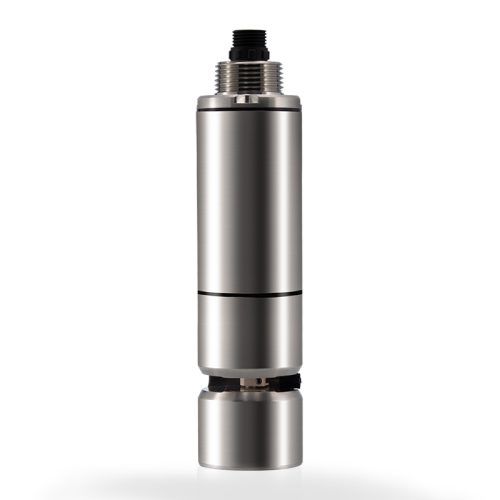
| Supported pH Range | 0-14 |
| Accuracy | ±0.02 pH/±1 mV ORP |
| Temperature Range | 0-80°C |
| Output Options | 4-20mA / RS485 MODBUS / Relay |
| Installation Methods | Subnersible / Flow Cell / Pipeline |
| Turbidity Range | 0-4000 NTU |
| Dissolved Oxygen | 0-20mg/L(optical) |


Please contact us immediately to speak with our experts and receive a discounted quote.




High-precision PCB plating lines in South Korea faced frequent electrode poisoning due to copper-rich acidic baths in May 2021. Inaccurate pH readings led to uneven metal deposition, causing a 12% increase in substrate rejection rates.
DPH-890 High-Temperature pH Sensor with a solid polymer electrolyte and MCC-500 Multi-channel Controller eliminated electrode poisoning to maintain ±0.05 pH dosing precision.

Automated automotive chrome plating line in Germany struggled with incomplete cyanide destruction in wastewater treatment in November 2023. Fluctuating ORP levels failed to trigger timely chemical dosing, risking non-compliance with strict European heavy metal discharge limits.
DRH-790 Platinum-ring Redox Sensor paired with MCC-500 Smart Digital Controller features high-frequency sampling to trigger immediate chemical dosing for 100% cyanide destruction.

Electroplating facilities in Korea risk severe chemical compliance violations and costly batch rejects due to the difficulty of monitoring rapid pH and oxidation-reduction potential (ORP) fluctuations during complex heavy metal precipitation. Managing these high-temperature, highly corrosive rinsing baths is constantly disrupted by electrode poisoning and sensor scaling, leading to incomplete cyanide destruction and delayed wastewater treatment cycles.
Deploying the heavy-duty ASP127E pH glass electrode and ASR120E platinum ORP sensor paired with an APX2-PD dual-channel controller enables continuous, interlocking tracking of aggressive plating rinses.
Optimize your plating process today—inquire now for detailed product specifications and a competitive wholesale quote.

English

French

German

Portuguese

Spanish