
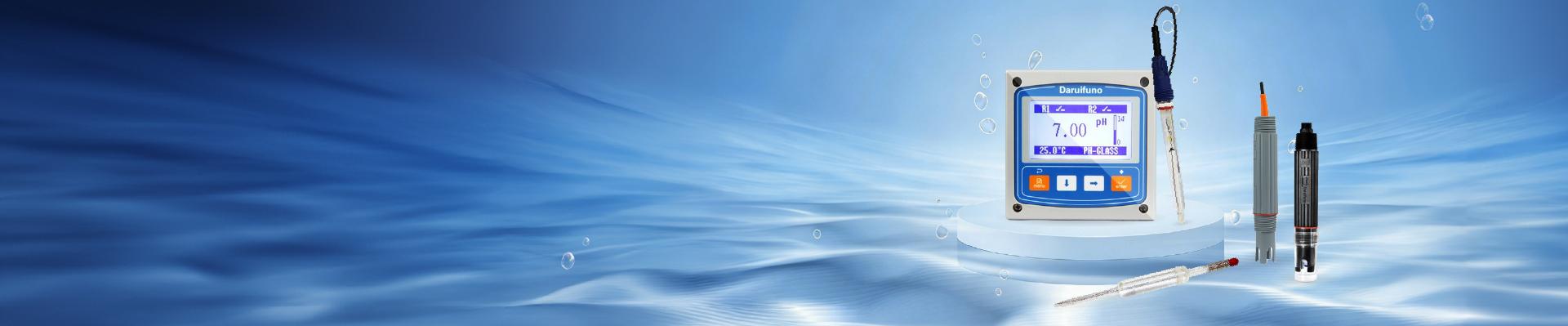
NO₃ nitrite Sensor & Controller
Advanced UV-absorption technology for high-precision, reagent-free nitrate monitoring and automated industrial process control.
Advanced UV-absorption technology for high-precision, reagent-free nitrate monitoring and automated industrial process control.
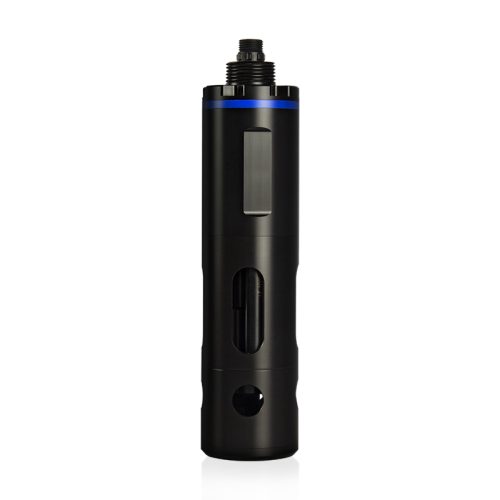
0~1000 mg/L
2-5 weeks
1
Contact Us
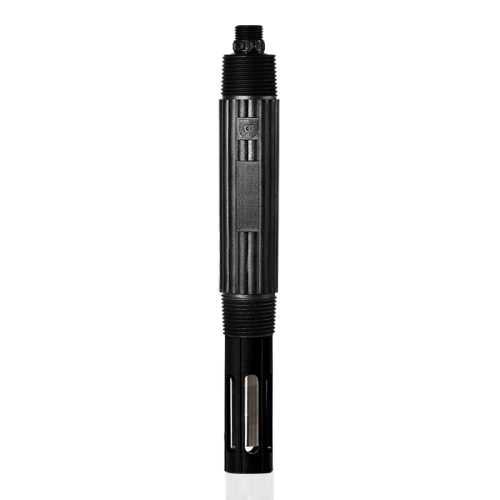
0.00~20.00mg/L
2-5 weeks
1
Contact Us
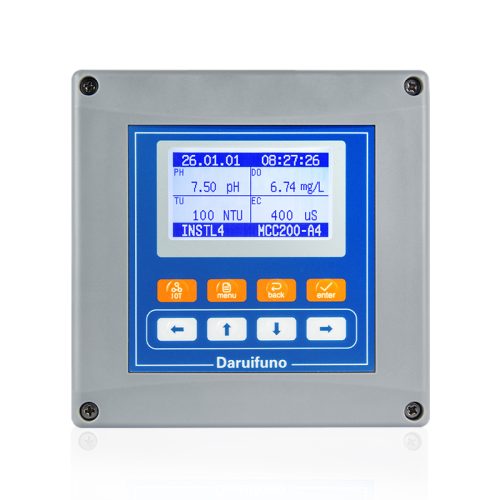
pH、ORP、Cond、DO、Tur、TSS、COD、NH4-N、OIW、Cl、Disinf、Ion、Chl、BGA、NO3、CDOM、DFS、Colorim.
2-5 weeks
1
Contact Us
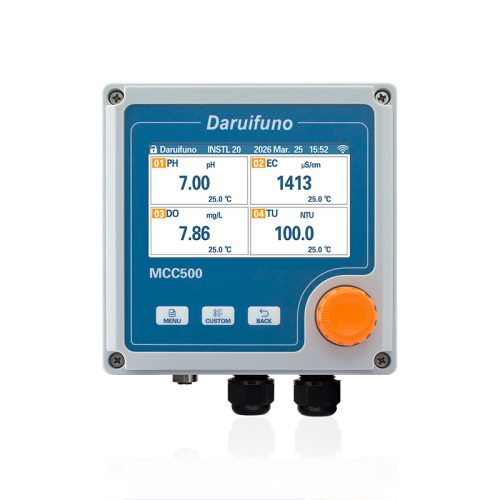
pH、ORP、Cond、DO、Tur、TSS、COD、NH4-N、OIW、Cl、Disinf、Ion、Chl、BGA、NO3、CDOM、DFS、Colorim.
2-5 weeks
1
Contact Us
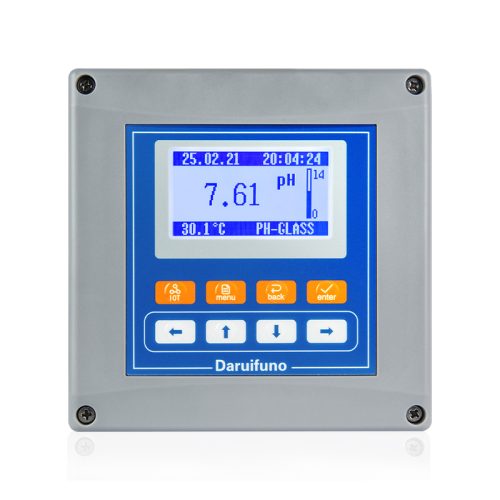
pH 、ORP
2-5 weeks
1
Contact Us


Join 500+ global water treatment plants—access expert engineering support and wholesale pricing today.
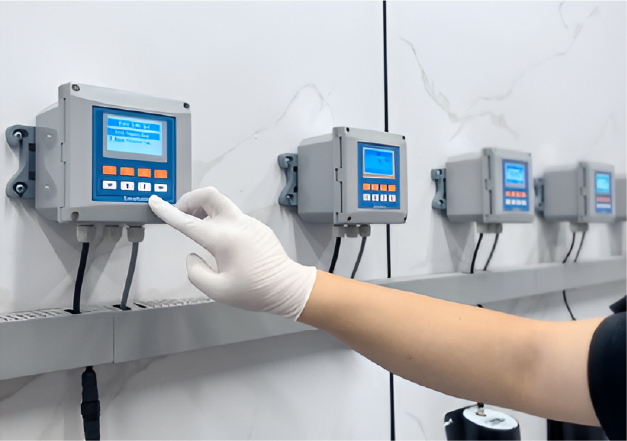
Dual-beam optical system with internal turbidity compensation ensures laboratory-grade nitrate precision in raw sewage without reagents or consumable membranes.
Maintenance-free sacrificial electrode technology eliminates ion-membrane replacements and chemical refills, delivering drift-free nitrate data in ultra-low flow conditions.
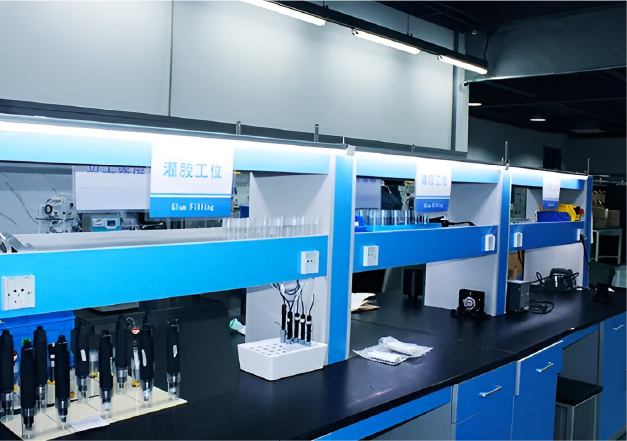
Seamlessly manage up to 20 sensors simultaneously with a single MCC controller, reducing system footprint and simplifying complex multi-parameter data integration.
Industrial-grade EMC protection and IP66-rated housing ensure zero-latency control and data integrity even in high-interference electromagnetic environments.


Municipal wastewater facilities in Saudi Arabia struggled with rapid sensor drift and inaccurate nitrate data caused by high salinity and extreme desert temperatures.
OPNO3 UV nitrate sensor featuring an integrated self-cleaning wiper, paired with a DUC series digital controller.
Achieved 99% data availability with a 75% reduction in manual maintenance costs, ensuring stable nitrate control and significant chemical savings.

An industrial textile manufacturer in Germany faced strict regulatory compliance issues due to the inability of traditional sensors to distinguish nitrate levels amidst complex chemical interference.
Advanced monitoring solution combining the OPNO3 UV spectral sensor with the MCC multi-channel controller for real-time interference compensation.
Eliminated environmental non-compliance fines and reduced excessive carbon source dosing by 20%, achieving full ROI within just six months of operation.

A leading chemical manufacturing plant required precise pH control for their high-acid effluent neutralization process in Spain.
Daruifuno ASP300 series composite pH sensors paired with APX2-C1 digital controllers.
Our solid-electrolyte sensors eliminated junction clogging caused by chemical precipitates, reducing maintenance frequency by 60% and ensuring total compliance with environmental discharge standards.
Nitrate measurement via UV-Vis spectrophotometry leverages the absorption of light at 210 nm, where NO₃⁻ ions capture photons to transition between energy levels, allowing for reagent-free online monitoring. This process follows the Beer-Lambert Law, quantifying concentration by measuring the light attenuation (absorbance) as the beam passes through a fixed optical path length (L) of the water sample. To eliminate inaccuracies, a 275nm reference beam filters out the "background noise" from dissolved organic matter (DOM) and suspended solids, ensuring high-precision data in real-time.
Accurate nitrate monitoring is a cornerstone of global water security, essential for preventing eutrophication and protecting fragile aquatic ecosystems from industrial nitrogen excess. By enabling precise nutrient management, we empower industries to drastically reduce their environmental footprint and align with international sustainability goals for a carbon-neutral future. Effective stewardship of our water resources today ensures a resilient and greener planet for generations to come.
Got technical questions? Get instant expert support and a tailored quote for your nitrate monitoring needs today.

English

French

German

Portuguese

Spanish