
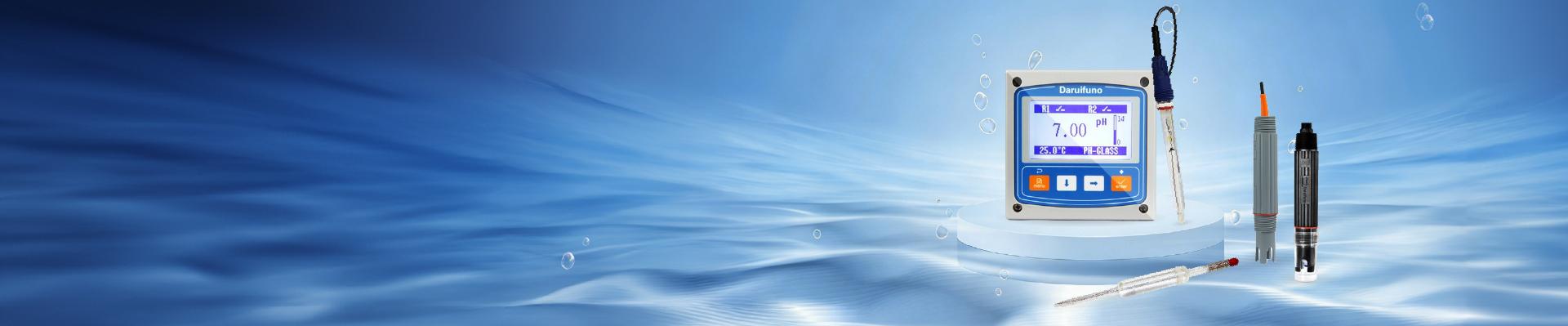
Blue-Green Algae Sensor & Controller
Precision Blue-Green Algae Monitoring Systems for Early Bloom Detection and Aquatic Ecosystem Safety.
Precision Blue-Green Algae Monitoring Systems for Early Bloom Detection and Aquatic Ecosystem Safety.
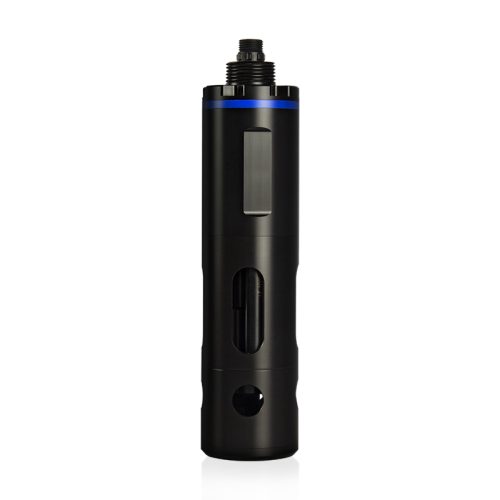
0~1000 mg/L
2-5 weeks
1
Contact Us
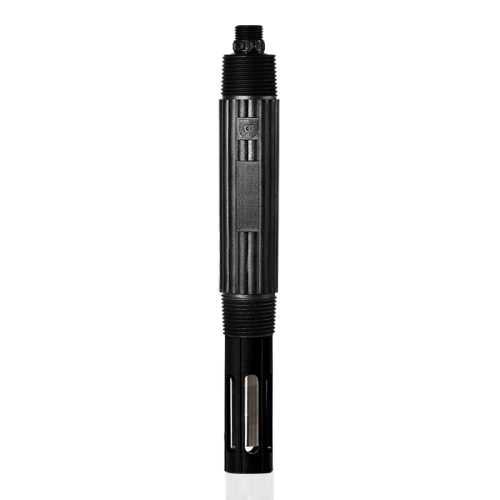
0.00~20.00mg/L
2-5 weeks
1
Contact Us
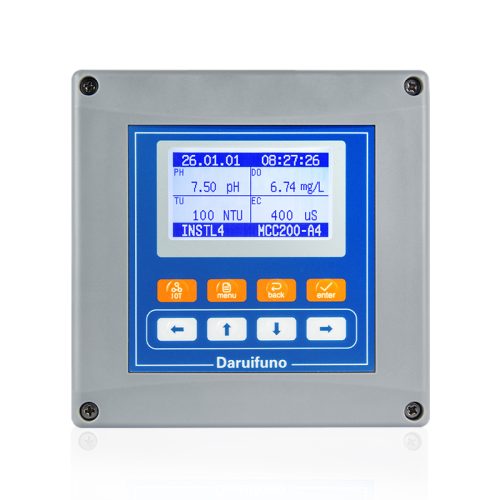
pH、ORP、Cond、DO、Tur、TSS、COD、NH4-N、OIW、Cl、Disinf、Ion、Chl、BGA、NO3、CDOM、DFS、Colorim.
2-5 weeks
1
Contact Us
pH、ORP、Cond、DO、Tur、TSS、COD、NH4-N、OIW、Cl、Disinf、Ion、Chl、BGA、NO3、CDOM、DFS、Colorim.
2-5 weeks
1
Contact Us
pH 、ORP
2-5 weeks
1
Contact Us


Download the full technical datasheet or request a custom quote for our self-cleaning sensing solutions today.
Adaptive Dynamic Power Management: The system intelligently adjusts power consumption between standard measurement (0.1W)and high-torque cleaning (3.5W) to prevent motor burnout during extreme biofouling.
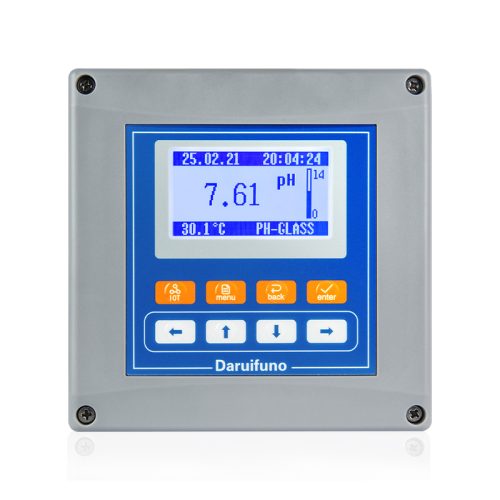
Seamless Multi-Platform Integration: Featuring built-in storage for calibration data, this digital sensor enables "hot-swap" field replacement without recalibration when connected to DUC or MCC series controllers.
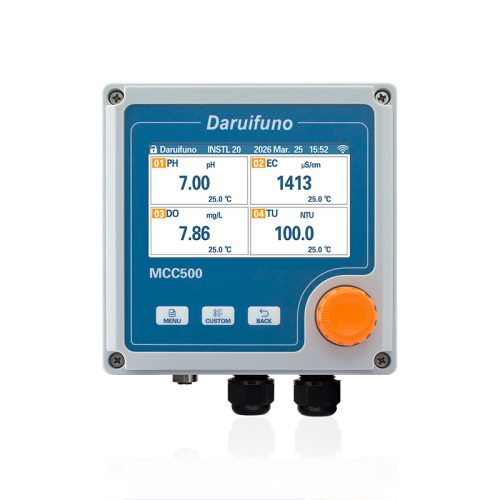
Synchronous Multi-Parameter Logic Control: Beyond simple display, the controller executes complex interlocking logic across up to 20 channels to trigger automated dosing or filtration based on real-time BGA and chlorophyll ratios.
Dual-Layer Data Redundancy & Recovery: Featuring an independent internal memory buffer, the controller ensures zero data loss during network outages and supports one-click restoration of sensor calibration history for rapid site recovery.


Seasonal cyanobacteria blooms in Brazil's freshwater reservoirs frequently clogged industrial cooling systems and caused regulatory non-compliance due to delayed manual testing.
Integrated BGA351 self-cleaning sensors with MCC500 multi-channel controllers for real-time algae density tracking and automated dosing logic.
Achieved a 300% ROI within the first year by eliminating emergency repair costs and tripling equipment service life.

Australian municipal water plants struggled with high labor costs and data gaps caused by weekly manual sensor cleaning in remote cyanobacteria-prone reservoirs.
Deployed solar-powered BGA351 self-cleaning sensors with MCC500 controllers for continuous remote monitoring via RS485/LoRaWAN integration.
Reduced annual operational expenditure by 60% by replacing weekly site visits with maintenance-free remote data harvesting.

A leading chemical manufacturing plant required precise pH control for their high-acid effluent neutralization process in Spain.
Daruifuno ASP300 series composite pH sensors paired with APX2-C1 digital controllers.
Our solid-electrolyte sensors eliminated junction clogging caused by chemical precipitates, reducing maintenance frequency by 60% and ensuring total compliance with environmental discharge standards.
Our BGA sensor utilizes advanced fluorescence technology to target phycocyanin, the key biomarker for cyanobacteria (blue-green algae) and harmful algal blooms (HABs) detection. By emitting a specific excitation wavelength and measuring the resulting fluorescence, the system delivers high-precision real-time monitoring of algae cell density in seconds. This in-situ measurement features integrated optical compensation to eliminate interference from water turbidity and ambient light, providing a reliable early warning system for water quality management.
Our BGA monitoring solutions support global sustainability goals by preventing harmful cyanobacteria outbreaks that threaten aquatic ecosystems and drinking water safety. By enabling precise, chemical-free HABs management, we help industries reduce their environmental footprint and achieve long-term ESG compliance in water resource protection.
Stop guessing—get your real-time blue-green algae monitoring solution and pricing in minutes.

English

French

German

Portuguese

Spanish