
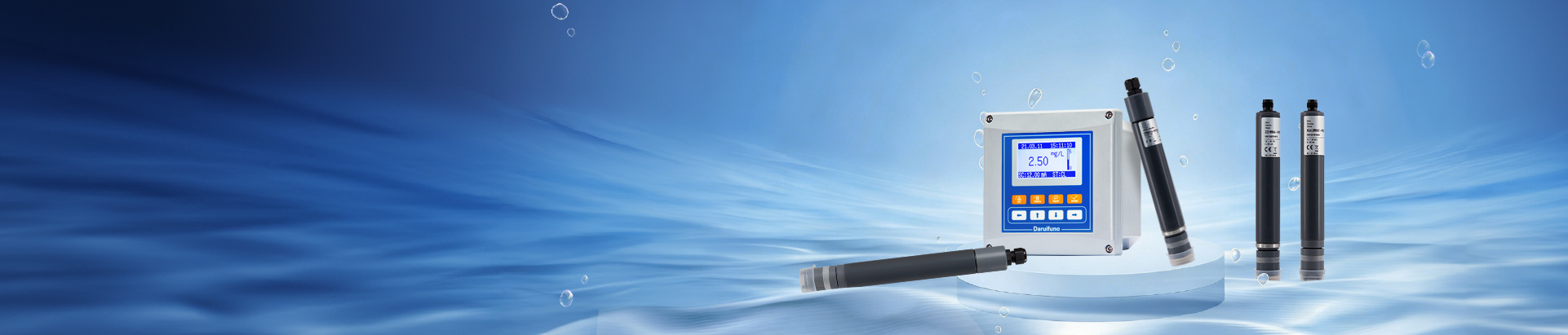
Chlorine Sensor & Controller
Achieve optimal concentration with high-precision free chlorine monitoring to ensure water quality and regulatory compliance.
Achieve optimal concentration with high-precision free chlorine monitoring to ensure water quality and regulatory compliance.
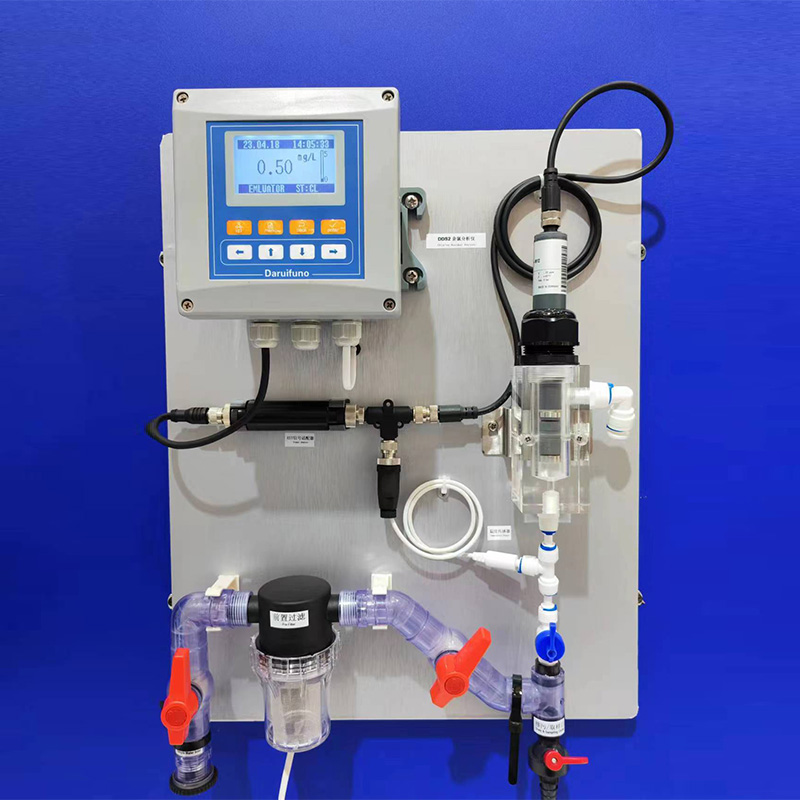
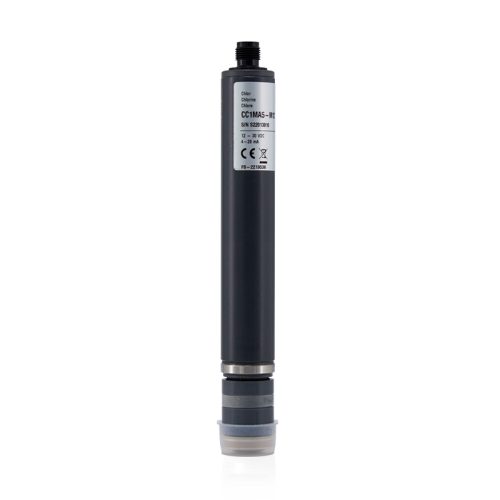
Utilizes a high-precision polarographic membrane electrode to provide continuous, real-time residual chlorine monitoring without the need for constant reagent replacement.
Engineered for strict water quality compliance with a measurement range of 0–20 mg/L and an exceptional resolution of 0.001 mg/L, capturing even minor concentration fluctuations.
Features built-in pH and temperature sensors to provide automatic compensation, ensuring a measurement accuracy of ±1% F.S. across varying water chemistry conditions.
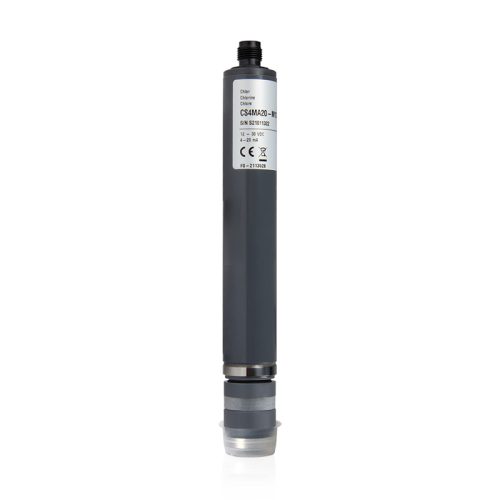
0.005~2ppm, 0.05~5/10/20ppm, 0.5~200ppm
2-5 weeks
1
Contact Us
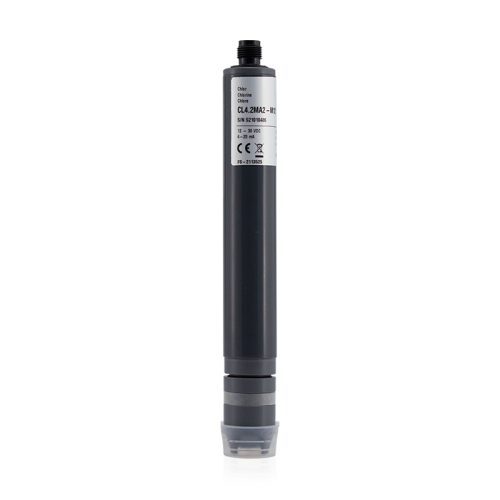
0.005~0.5/2ppm, 0.05~5/10/20ppm, 0.5~100/200ppm
2-5 weeks
1
Contact Us
0.005~2ppm, 0.05~5/10ppm, 0.05~20ppm
2-5 weeks
1
Contact Us


Download our full product datasheet or request a custom solution for your free chlorine monitoring project.
Our sensors provide high-precision control for drinking water and swimming pool applications, striking a perfect balance between effective disinfection and regulatory compliance to ensure superior water safety.
These sensors are also designed for the harsh environments of industrial cooling water, offering stable measurements and long-term reliability. They feature automatic brush heads to prevent biofilm buildup and protect infrastructure from corrosion.
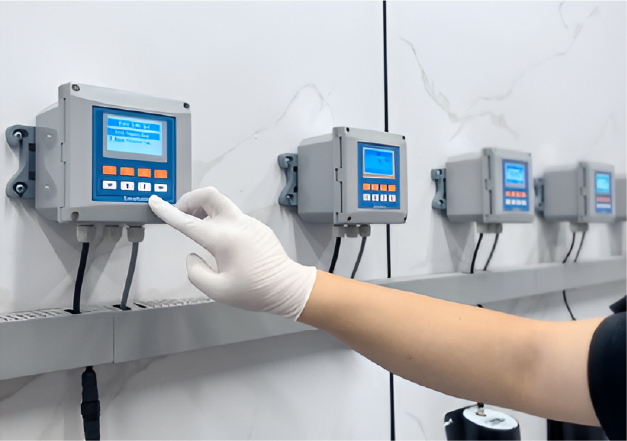
The ADS2 controller is specifically designed for membrane-covered ampere systems, providing high-resolution data visualization and precise calibration, and is compatible with a variety of disinfectants.
Equipped with programmable setpoints and relay logic, the ADS2 supports customizable automatic dosing and alert functions, maintaining precise chlorine concentrations without manual intervention. Save on your budget while ensuring compliance with environmental regulations and safety requirements.


The municipal water treatment plant in Malaysia struggled with inconsistent free chlorine residuals due to fluctuating source water quality, leading to increased operational costs and strict regulatory compliance pressures.
Integrated the ADS2 Smart Controller with CL-series membrane-covered sensors to provide automated, real-time feedback control for the chemical dosing system.
Achieved consistent 24/7 water quality compliance while reducing chemical waste and manual oversight through precise automated dosing.

Industrial cooling water systems in Saudi Arabia face rapid depletion of free chlorine due to extreme desert heat, leading to severe biofouling that degrades heat exchanger efficiency and threatens continuous plant operations.
Deploying ADS2 disinfectant controllers with membrane-covered amperometric sensors enables precise, automated oxidant dosing to maintain optimal residual chlorine levels despite extreme ambient temperatures.
Precise disinfection control reduced biocide consumption by 20% while maintaining consistent heat-transfer efficiency across all cooling towers. Reliable monitoring prevents 100% of biofouling-related shutdowns, ensuring uninterrupted power generation and significantly extending the service life of critical infrastructure.

Water treatment facilities in the United States struggle with unpredictable chlorine decay across extensive, aging distribution networks, resulting in chemical overdosing at treatment plants while failing to maintain mandatory residual levels at distant customer taps.
Deploying ADS2 disinfectant controllers equipped with CL4.2 membrane-covered amperometric chlorine sensors enables automatic, real-time dosing control across long-distance networks to stabilize residual levels.
Continuous residual chlorine tracking has reduced chemical overdosing by 18% while guaranteeing safe, compliant drinking water at all peripheral network nodes. Eliminating manual grab sampling saved the utility over 200 man-hours monthly and ensured 100% adherence to EPA secondary disinfection regulations.
The scientific principle of online free residual chlorine measurement relies on advanced amperometric membrane-covered sensor technology to perform real-time water quality analysis. When free chlorine molecules, primarily hypochlorous acid (HOCl) and hypochlorite ions (OCl¯), diffuse through the hydrophobic selective permeable membrane, they enter an internal electrolyte chamber to undergo a constant-voltage electrochemical redox reaction. At the gold or platinum working electrode, a precise cathodic reduction reaction occurs where HOCl accepts electrons to form chloride ions and water, generating a weak nano-ampere electrical current signal that maintains a perfect linear correlation with the actual chlorine ppm concentration.
To overcome fluctuating environmental interferences in industrial water treatment and swimming pool loops, the raw current signal must be mathematically corrected through integrated smart transmitters. Because the chemical equilibrium between highly reactive HOCl and less reactive OCl¯ is strictly dependent on the water matrix, real-time pH and temperature compensation algorithms are dynamically executed to eliminate measurement drift and background ionic interference. This reagent-free electrochemical method provides continuous, stable data logging, making it the most reliable solution for automated disinfection dosing control and regulatory compliance in modern municipal drinking water facilities.
Precise residual chlorine control is essential to prevent the formation of harmful disinfection byproducts (DBPs) that threaten aquatic ecosystems and long-term environmental health. By optimizing chlorine levels, you protect local biodiversity and ensure your water discharge meets the strictest environmental sustainability standards for a greener future.
Get the precise answers you need for your unique water conditions

English

French

German

Portuguese

Spanish